Christmas in the 50s and 60s.

Merry Christmas to all who read this blog. Thank you all for stopping by. Here are some thoughts on how things have changed since I was a child.

Paper Chains

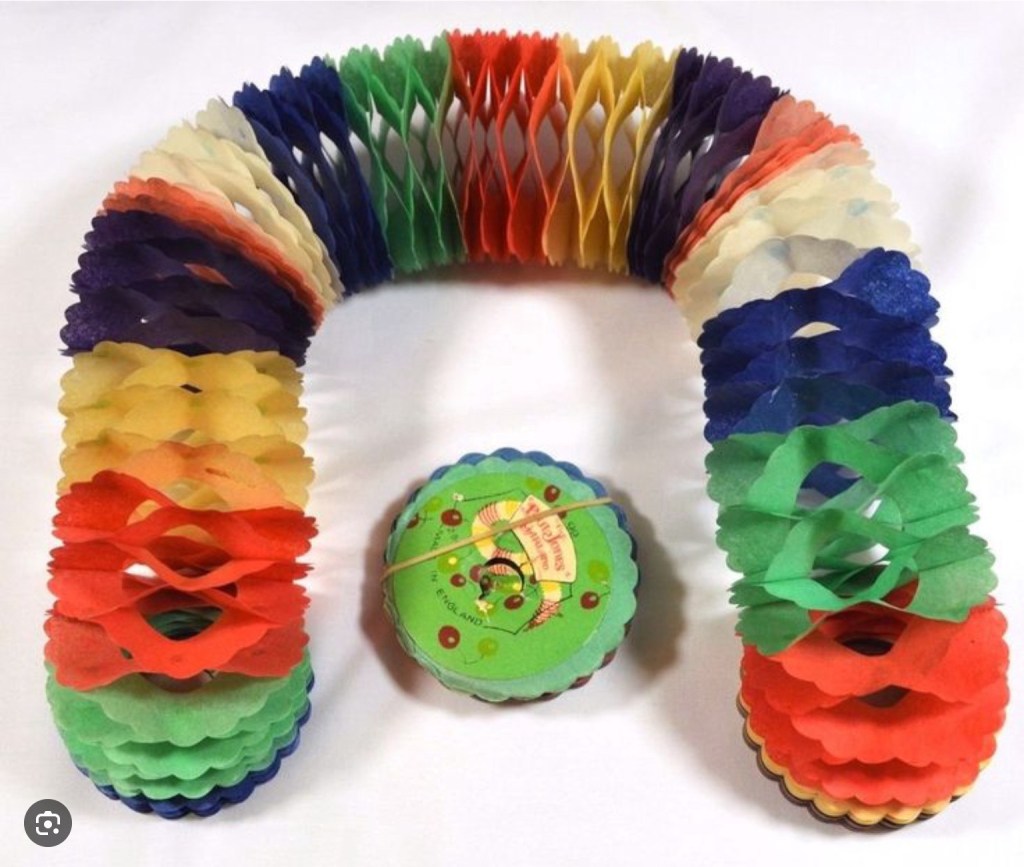
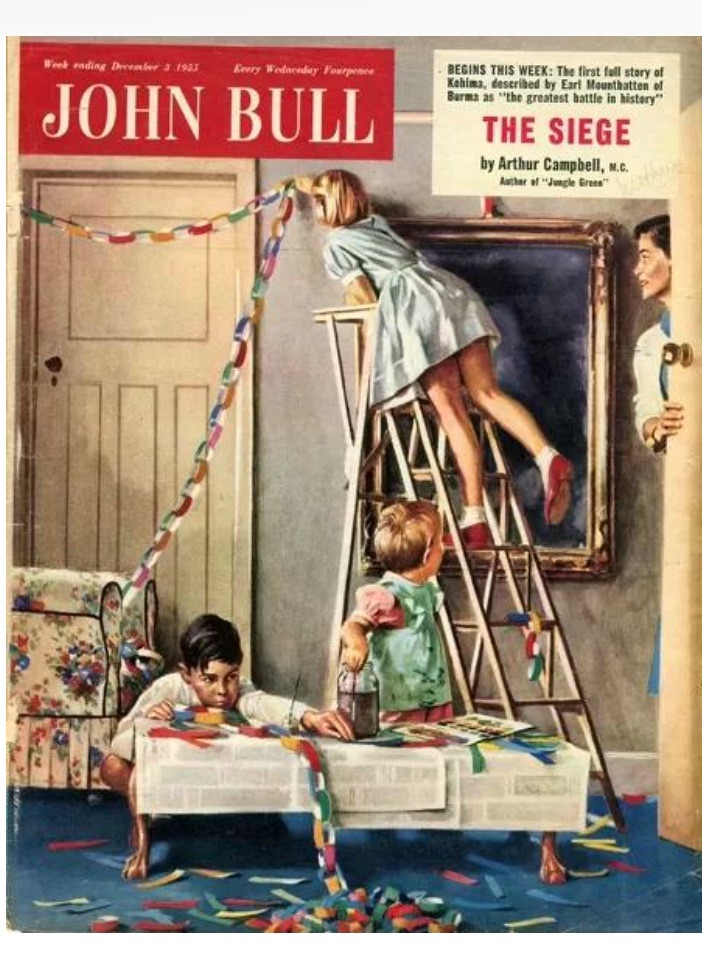
It seems to me that Christmas lights outside houses and in gardens get more popular every year. When I was a child the main focal point was the tree. How we loved helping to decorate it. I still have a few of the glass baubles from the 1950s which went on our tree every year. We also used to put holly and balloons up (not next to each other!). And then there were the paper chains which were pinned up in the ceiling and went from corner to corner. These paper chains would be carefully folded afterwards and saved for next year. You could also buy packs of coloured, gummed paper rectangles to make your own paper chains and we children loved doing that.
Christmas Day Post

There used to be a postal delivery on Christmas Day in Britain right up until 1960! It’s hard to imagine now. My grandfather was a rural postman with a round which covered a wide area of scattered farms and houses. Back in my dad’s childhood his father would be out all day on Christmas Day delivering cards. People used to send cards then to arrive on the day, like birthday cards. The family also went to chapel three times on Christmas Day so their Christmas dinner and present exchanging was always on Boxing Day.

Stockings

Children’s Christmas stockings were knitted ones. They now come in a huge variety of shapes, styles, sizes and materials. Ours were light brown woollen knee high stockings. A relative had knitted two pairs for my dad to wear under wellington boots when working outside. They were coarse and itchy so he never actually wore them and they were repurposed as Christmas stockings for his three children.

Circus on TV on Boxing Day

On Boxing Day there was always a circus on TV in the afternoon. We only had one channel when we first got a TV in 1961 so it was the circus or the circus! There wasn’t normally anything on TV in the daytime apart from the preschoolers’ Watch With Mother just after lunchtime. So watching television in the afternoon was a rare treat! TVs then gave out such a weak light that in order to see the picture in daylight you had to close the curtains.

Twelfth Night

The tree and decorations would be put up just before Christmas (not like now when they start appearing in November!) and it was considered extremely bad luck to take them down before the Twelfth Night, 6th January.

Father Christmas v Santa Claus

When I was little we never called him anything but Father Christmas. Now you rarely hear him referred to as that. I knew the name Santa Claus from Christmas songs on the radio but he was always Father Christmas then. I always preferred the pictures which showed him wearing a long hooded cloak. Other kids preferred the tunic, belt and knee boots image. It’s just down to personal preference.

Credit to Wikipedia and Google Images. If anyone objects to my use of a particular image please contact me and it will be removed.
Finding Things Out – Before The Internet

It crossed my mind recently that any time I want to know something I can reach for my phone, tablet or laptop. It wasn’t always so!

Humans are curious by nature. As infants we ask our parents endless questions. Next comes school and the teachers and the books on the shelves.

Parents

As toddlers, pre-schoolers and very young children, we assumed our parents knew the answer to everything. They could have told us anything and we’d have believed it. In fact, many adults have funny stories about being told daft things for fun – and believing every word.

Teachers

Once in school, children had another oracle to consult – the teacher. Up went the hand and “Please Sir/ Miss, how did……………?” and so on. Of course teachers didn’t know everything, any more then parents did, but very young children didn’t know that.

Atlases, dictionaries, encyclopaedias etc.

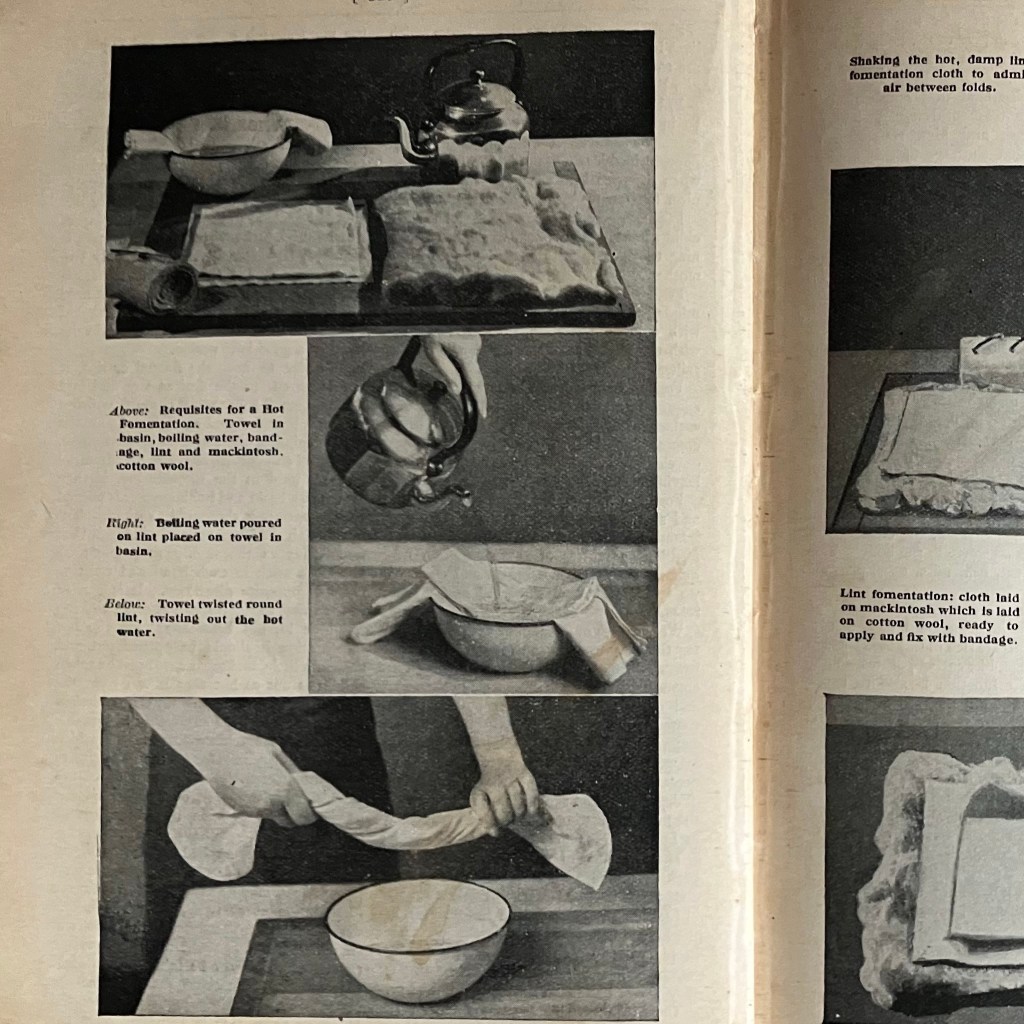
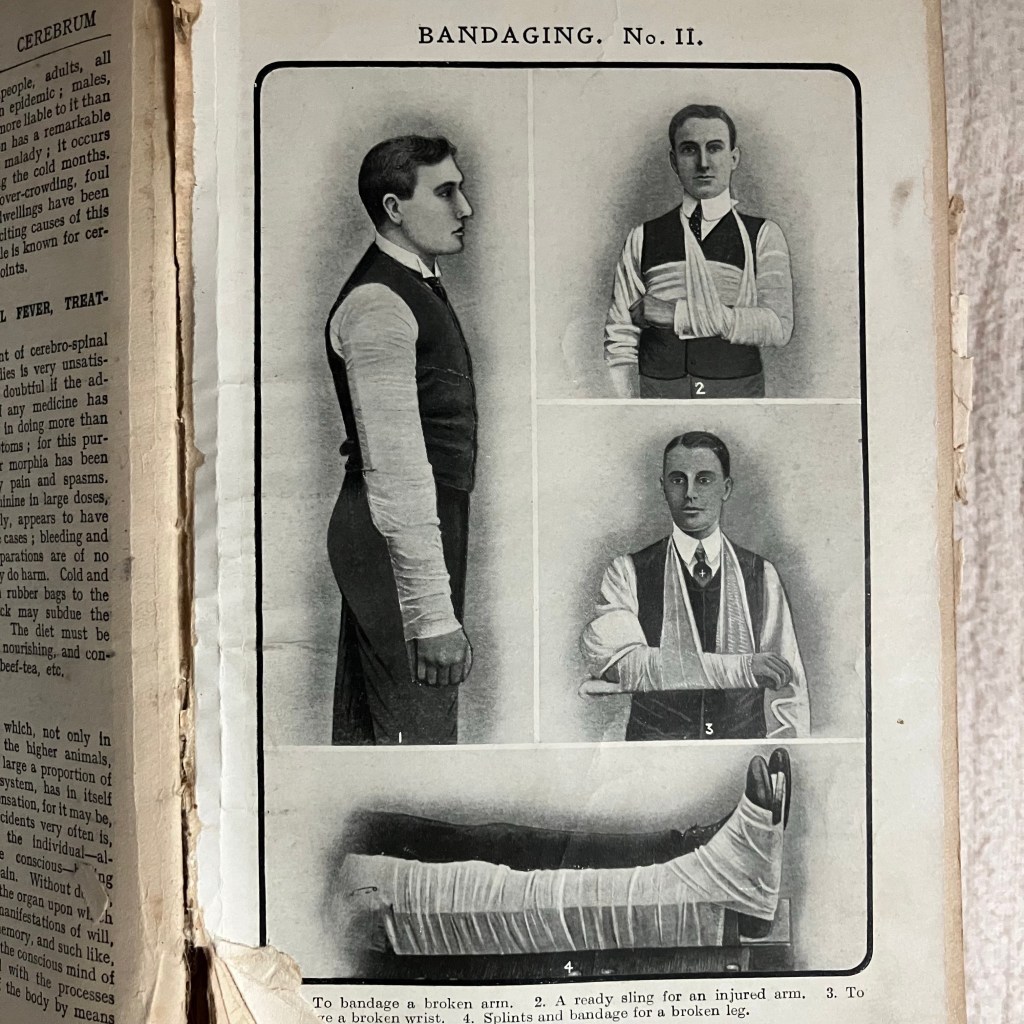
Once children became fluent readers, a whole new world opened up. Reference books were on hand in the classroom and most homes had a selection of books. A set of encyclopaedias was a popular thing to have. I know that’s how my grandfather collected his. These were often bought one at a time through a scheme, so I’ve been told. There would also be a Bible, a dictionary and often a world atlas. In many houses there would be a ‘Home Doctor’ book. I still have the two which were in my grandparents’ house. One is from the 1800s and the other from around 1920. They make fascinating reading!

Libraries

Libraries, particularly the reference sections, were a very important source of information. As an adult, and before the days of the Internet, I would make a note of anything I wished to find out more about and then take my list with me when I next had a chance to visit the local library.

Motoring Handbooks

For households with a car, and many didn’t when I was a child, the motoring handbook was a very useful travel guide. In the UK back in the 50s, we had the RAC and the AA. My dad favoured the RAC. With the membership the motorist got breakdown and rescue cover and every year received a new handbook. These held a wealth of information! There were road maps, of course, but also information on any town you were interested in, charts for calculating travelling distances and a full list of all registration letters so you could look up any car you spotted and find out which county it was from. We children had a lot of fun with that in the back of the car on holiday.

The Dawn of the Internet

This is a whole new era and not one I’m covering here. Now we walk around with ALL of the above reference material in our pockets. Children, even very young ones, are adept at looking things up on laptops in school and at home.

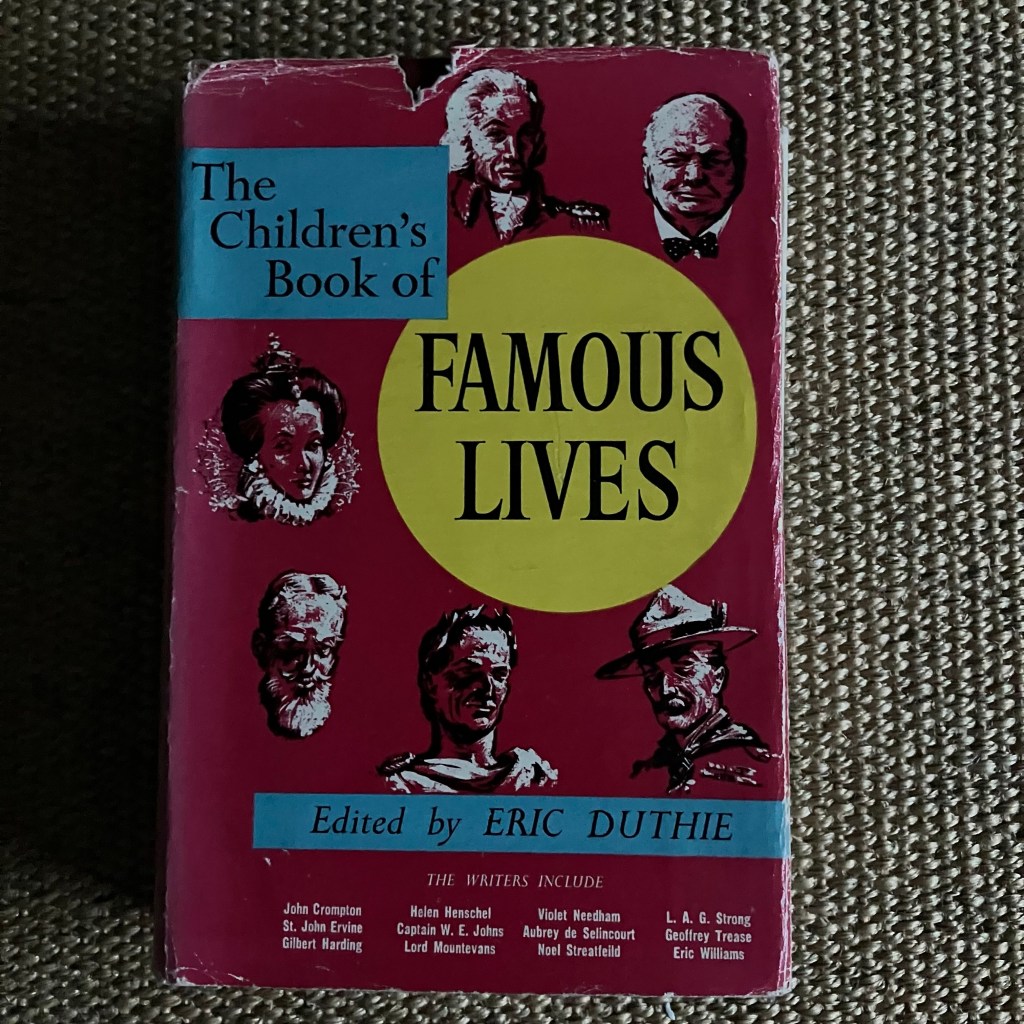
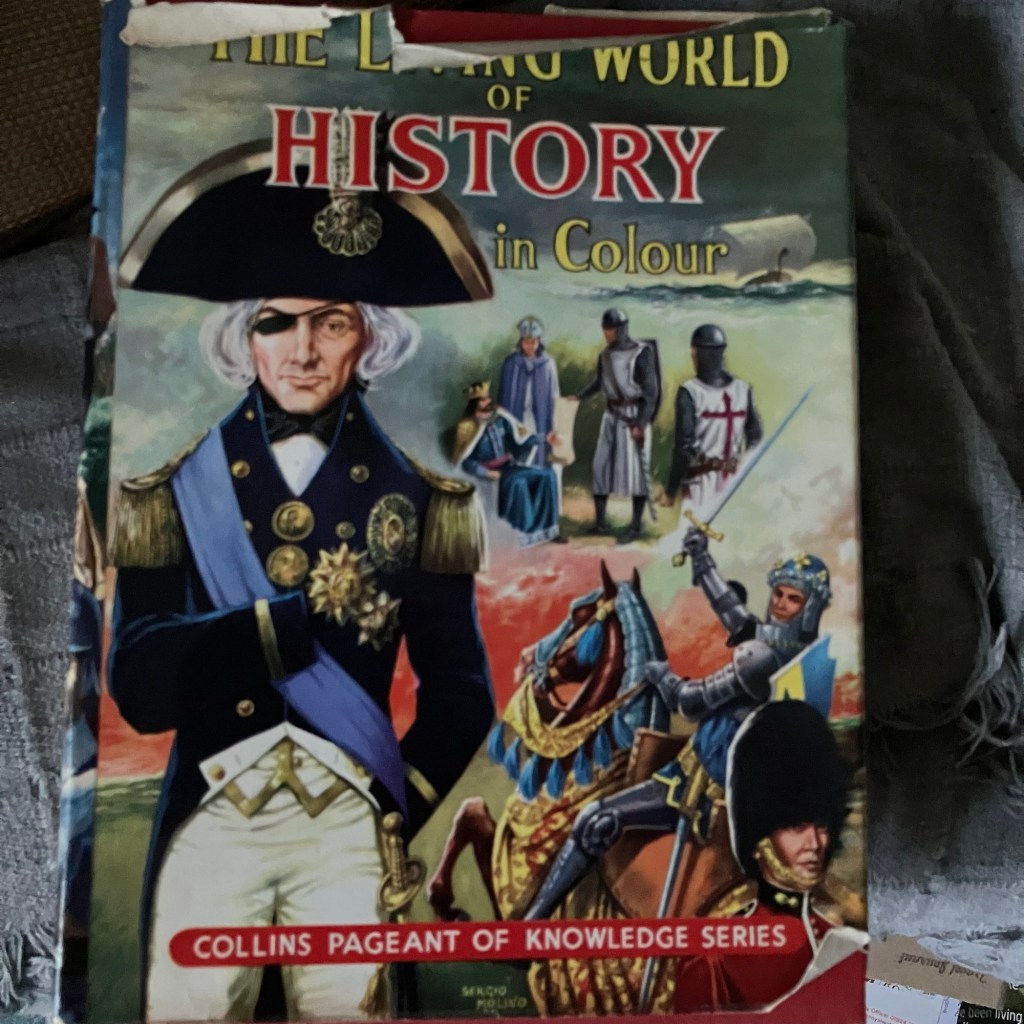
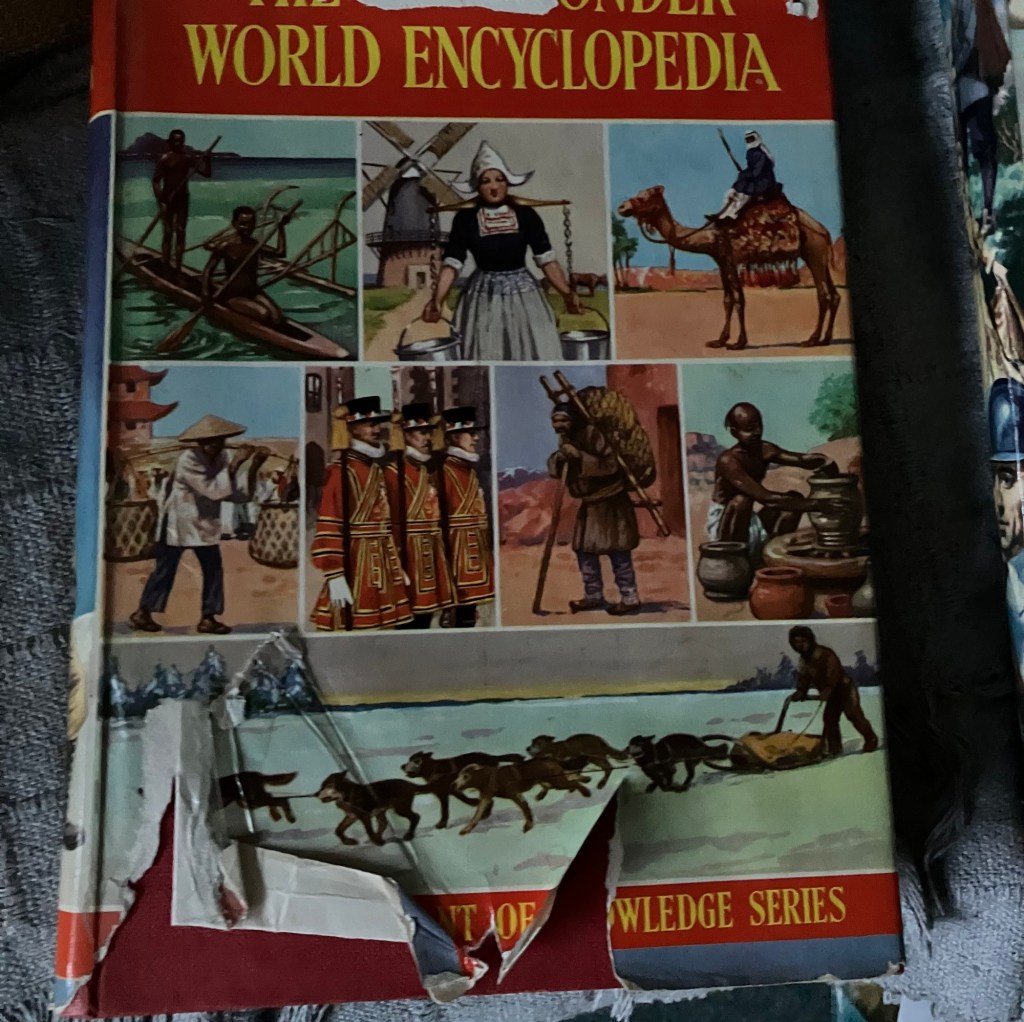
Finally, here are three of my own books from my childhood.

These are my own thoughts and memories, I am not attempting to write a history book!

The photographs are my own.

Changes Part 3

Here’s another quick-fire, no photos list of things which have changed since the 1950s and 60s.

Please note, these are taken from my own recollections. I endeavour to check facts and statistics before including them but this is a fun blog not a history book!

A cooked main meal was usually followed by a cooked pudding.

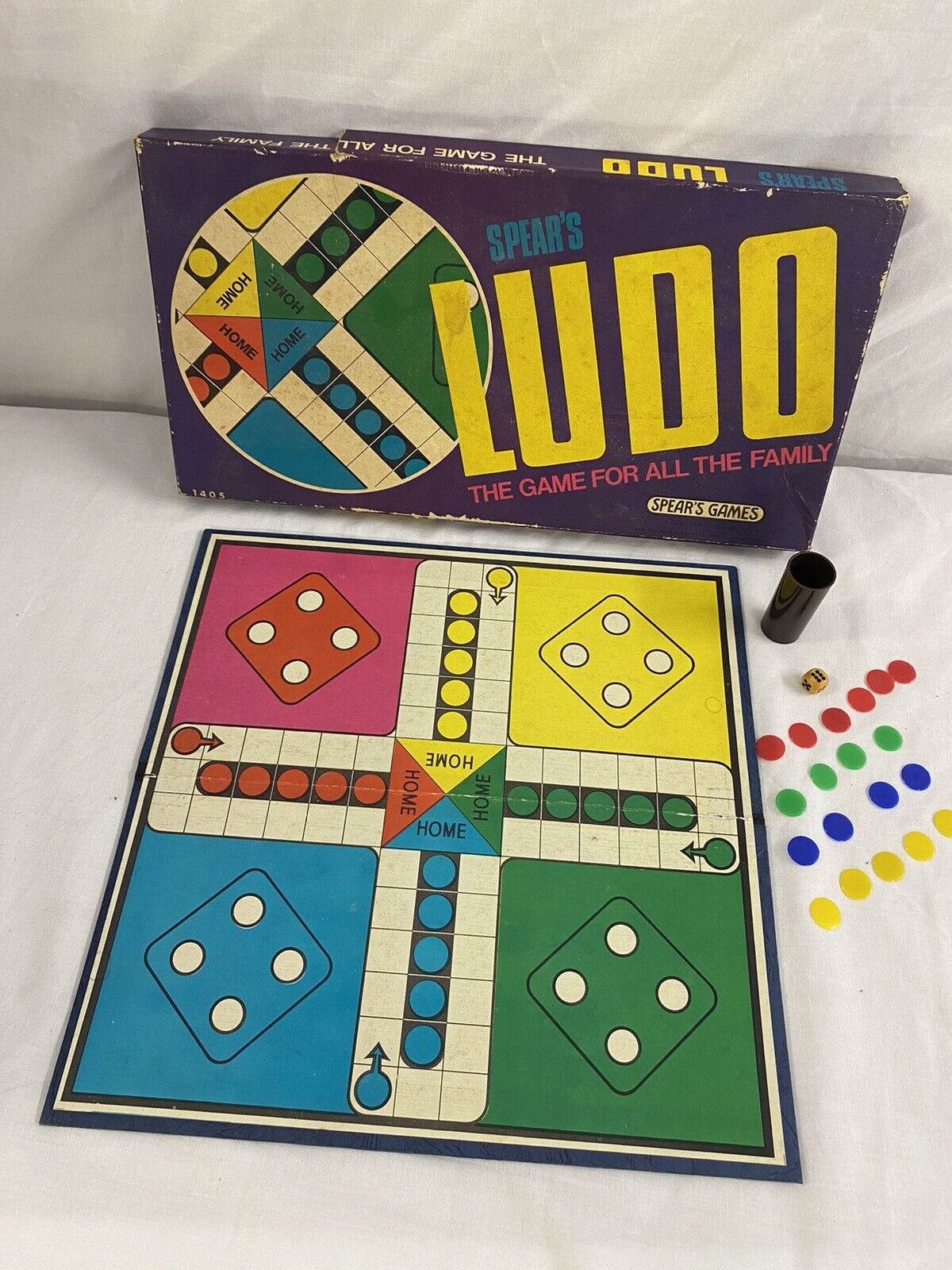
Before TV arrived, board games and card games were extremely popular family activities especially on winter evenings. We children loved playing games like Happy Families, Ludo, Snakes and Ladders. As a family we mostly played Cluedo and Monopoly.

A school uniform always included a hat – a cap or a beret with a school badge on it. Secondary school pupils all carried leather satchels. Sports wear was carried in a duffel bag. Primary schools didn’t have uniforms. Some private schools were the exception to this.

Swearing, even mild swearing, never appeared on the radio, on TV or (as far as I know), in books. In fact I didn’t even hear the ‘f’ word (which was passed around in whispered tones!) or the word shit until I started secondary school. At home we weren’t allowed to say bum we had to say bottom.

TV presenters, newsreaders etc never had regional accents.

People didn’t run or walk to keep fit. They walked to get places, they ran to catch things like buses, runaway balls or mischievous children!

A bar of soap was used for all personal hygiene. There were no shower gels or body washes. Neither was there any hair conditioner until the mid 60s. On the same subject, I rarely came across showers, except in school changing rooms, until the late 60s.

I hope this has triggered some memories!

Changes since the 1950s – aka I’m back after a long gap!

First of all, apologies to regular readers (if I still have any!) for the long silence. I’ve had a very busy summer plus it gets harder to think of topics I haven’t already covered. So I thought I’d return with a simple list of things which have changed since I was a child in the 1950s. Just a list, no waffle, no pictures. Readers of a similar vintage to me will recognise them. Memories from other countries will be different. I can only speak for rural Britain which is all I knew.

We’d never heard of or seen duvets. Beds had a bottom sheet, top sheet, a few blankets, a counterpane (a word you never hear now) and in winter an eiderdown.

We didn’t have mugs, just cups and saucers.

TV programmes started in the evening apart from an hour in the middle of the day when there were programmes for pre-school children. Not everyone had a TV.

Nobody had washing machines, tumble dryers, microwaves or freezers. Many people didn’t even have fridges, phones or cars.

Gay meant happy, jolly, carefree. Mobile only meant able to move, not a phone. Remote only meant far away, not a TV control.

Most men wore hats outside and took them off indoors. Women usually wore hat and gloves to go out shopping, visiting or to church. They had winter gloves and summer gloves.

When you were unwell, even if it was just a cold, you stayed in bed. The doctor would visit and your mum would buy you Lucozade.

Toilet paper was hard and crunchy like baking parchment or greaseproof paper. There were no tissues. Everyone carried cotton handkerchiefs (hankies) which were washed on a Monday (wash day) and ironed on Tuesday.

Dustbins were metal and everything went in. There was no recycling apart from glass jars and bottles, many of which were worth a few pence when returned.

There were no charity shops but communities held jumble sales.

Children’s birthday parties involved presents, party games, sandwiches, jelly, birthday cake – and guests were not given a party bag to take home.

I could go on, but that will do for now. Hope you’ve enjoyed it and recognised some things!

Birthday Party Games

When I was a child birthday parties were small affairs and always held in the birthday child’s home with a handful of their schoolmates invited. We always had a birthday tea and a cake with candles on it and the rest of the time was filled with party games.

It’s interesting that some games we are very familiar with from childhood, appear in similar forms all over the world. Are there reasons why we play them which are are common to all people? A lot of these games have a different appearance due to the culture they’re from, but are constructed in the same fashion.

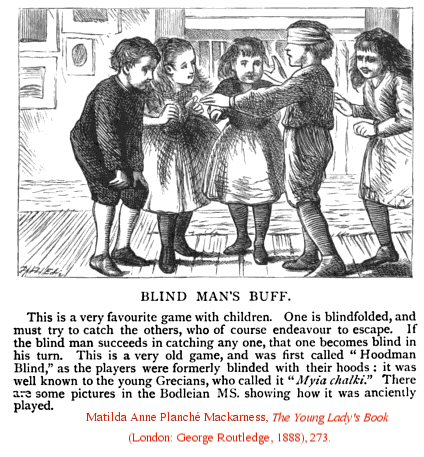
Blind Man’s Buff

A version of the game was played in Ancient Greece where it was called “copper mosquito.” The game is played by children in Bangladesh where it is known as Kamanchi meaning blind fly. One individual is blind-folded in order to catch or touch one of the others who run around repeating, “The blind flies are hovering fast! Catch whichever you can!” The game was played in the Tudor period, as there are references to its recreation by Henry VIII’s courtiers. It was also a popular parlour game in the Victorian Era. Whilst researching for this post I learned that the name of the game is now considered offensive by some and that the blindfolding of a child can be looked on as dangerous. So maybe it’s disappeared altogether?

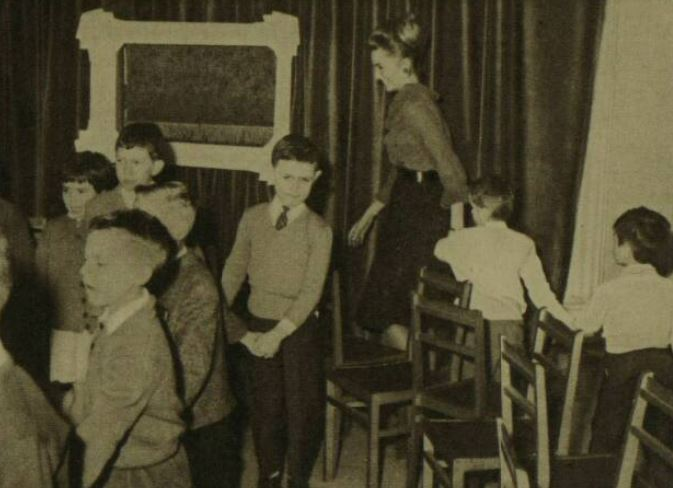
Musical Chairs

The origins of the game’s name as “Trip to Jerusalem” is disputed. However, it is known to come from its German name Reise Nach Jerusalem (“The Journey to Jerusalem”). One theory suggests that the name was inspired by The Crusades wherein several heavy losses were incurred.

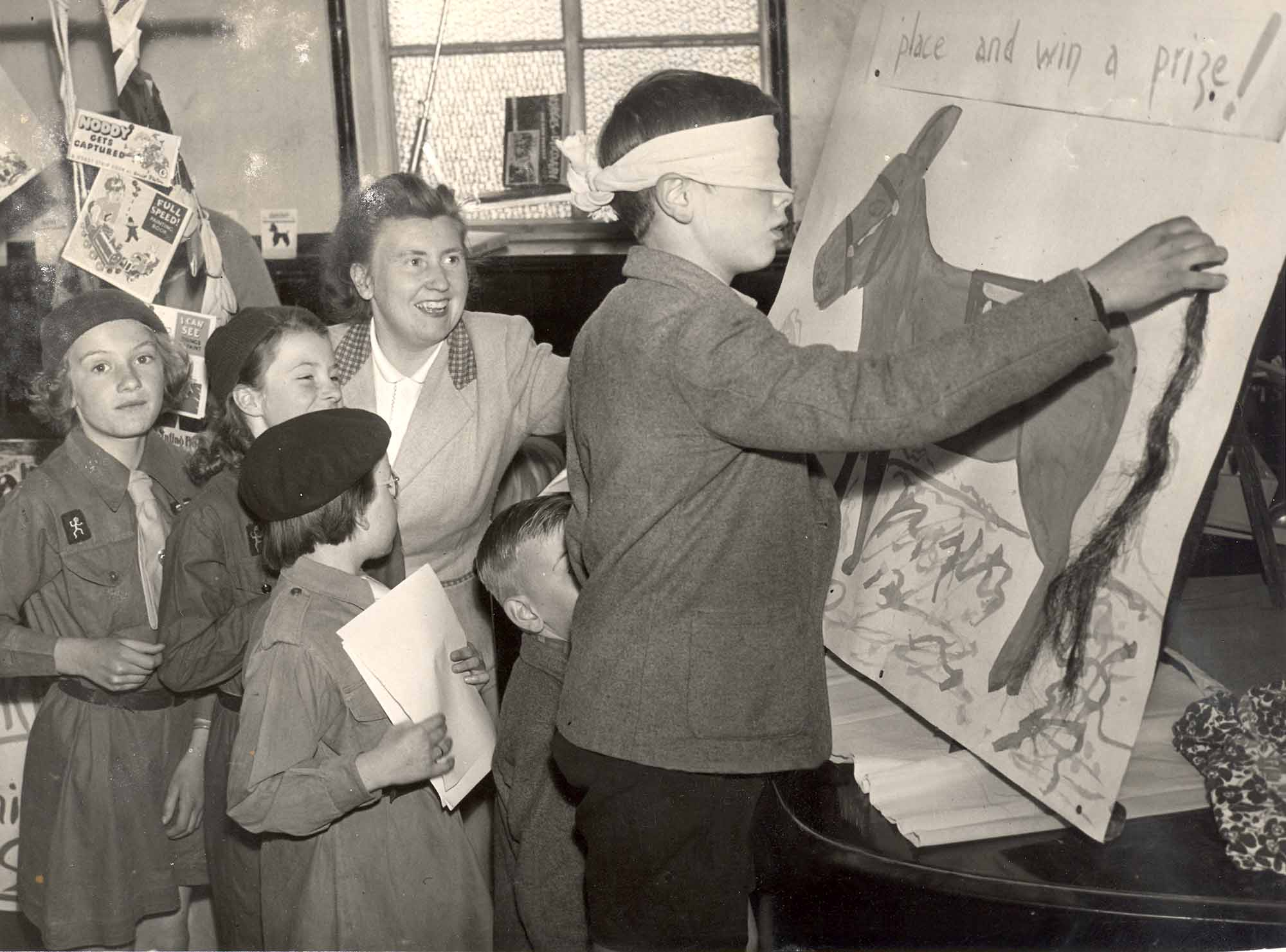
Pin the Tail on the Donkey

Pin the tail on the donkey is a game played by groups of children. The earliest version listed in a catalogue of American games compiled by the American Game Collectors Association in 1998, is dated 1899, and attributed to Charles Zimmerling. My mum used to draw the outline of a donkey on a piece of paper.

Pass the Parcel

Research tells me this is of British origin unlike Blind Man’s Buff which crops up in many cultures. Back in the 1950s the music was either played on a gramophone or on a piano. The parent operating the stop-start music kept a careful eye on the passing of the parcel to make sure everyone had a turn and to ensure that the birthday child was not the one to open the last layer which contained the prize. Back then it was something small like a chocolate bar.

Musical Statues

It seems that this game appears in various countries and has quite a long history. Some countries know it was Freeze Dance or Frozen Statues. Some homes had a parent who played the piano and some had a gramophone with a parent lifting the stylus – just like Pass the Parcel and Musical Chairs.

Dead Lions/ Sleeping Tigers

A great game for calming children down at the end of a party! I can’t find any history on it so it’s perhaps a relatively new invention.

Spin the Bottle/ Plate

On a personal note, I absolutely hated forfeit games! At some of the bigger parties like village parties there was the dreaded (by me!) spin the plate/ bottle game. If the bottle finished its spin pointing to you or if you spun the plate and didn’t get back to your seat in the circle you had to do a forfeit. This usually involved having to sing a song, recite a poem or do something like hop around the room. My worst nightmare!!

Credit to Google Images and Wikipedia. As always, I have endeavoured not to infringe copyright. However, if anyone objects to my use of an image, please contact me and I will remove it.

Baby Things

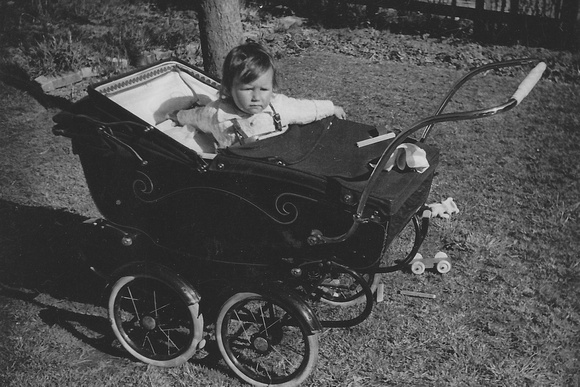
Back in the 50s and 60s, prams and pushchairs were big, heavy and cumbersome. Prams didn’t fold up to go on buses or in cars. Pushchairs folded but were still bulky and heavy. The baby started off in a big, usually coach built pram and at a certain age graduated to a pushchair. There were no lightweight buggies. Families with cars bought a small rectangular soft-bodied thing known as a carry-cot which just sat on the back seat with the baby lying in it. There were no seatbelts in cars then and definitely nothing securing the carry-cot. There were no car seats for babies, toddlers and children. They were held in an adult’s arms until old enough to sit up and then just travelled unsecured in the back seat.

A friend was recalling recently that in the early 70s, it was difficult to buy prams because there was a shortage of steel.

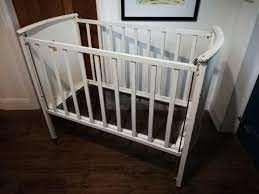
The basic design of cots is still much the same but modern ones are much safer.

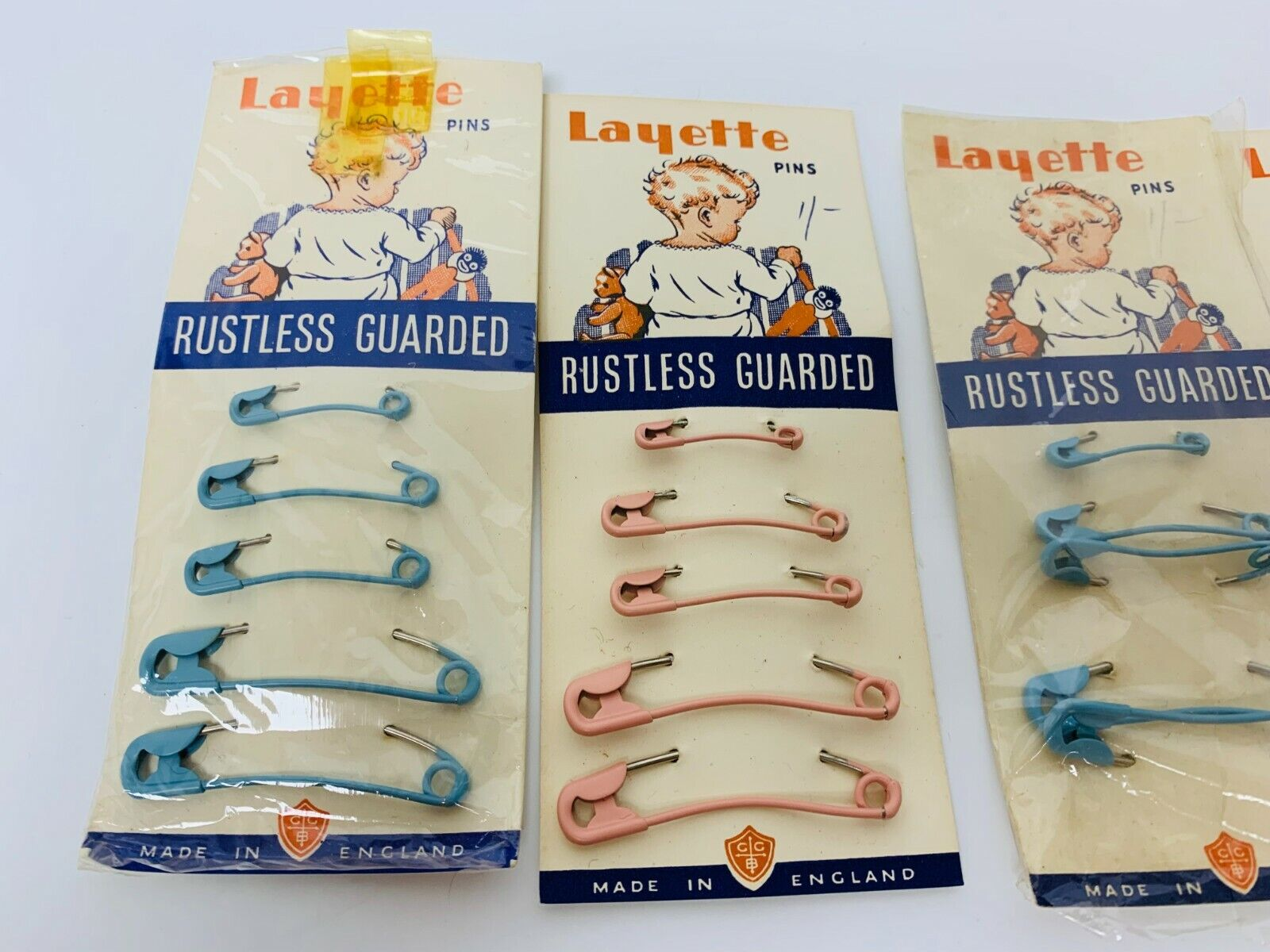
There were no disposable nappies. There still weren’t any when my children were born in the early 80s. Nappies were white towelling squares which were folded and pinned with special big safety pins called, appropriately enough, nappy pins. To add a waterproof outer layer a pair of thin rubber pants were pulled on over the nappy. These nappies needed to be boiled to keep them hygienic and white! When you consider that most households didn’t have washing machines or tumble driers the amount of work involved was enormous. I can remember pink and blue nappy pins ones like the ones in the photograph.

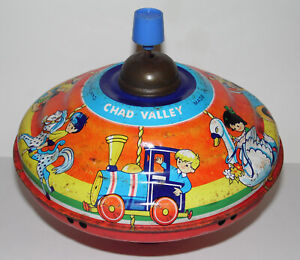
Many baby toys and toys for children were made of tin. There was no plastic. I remember my brother as a toddler cutting his leg on a toy made from tin. Also, the paints used on tin toys and on wooden cots were lead based and therefore toxic.

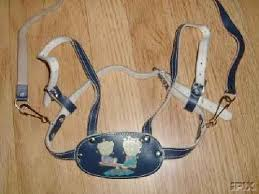
Very young children often wore reins like this when out with the family. I remember very clearly seeing children with walking reins on. They were leather and often pastel coloured with a picture on the front like these in the photograph. They were backed with a white fleecy fabric for comfort.

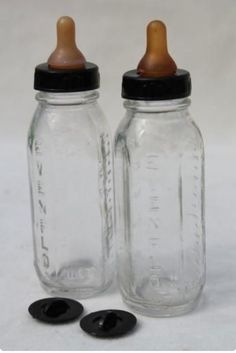
Baby bottles were made of glass and the teats were made of rubber.

Credit to Google Images and Wikipedia. As always, I have endeavored not to infringe copyright. However, if anyone objects to my use of an image, please contact me and I will remove it.

Primary School Learning in the 1950s and early 1960s.

The school I attended from four years old until eleven was a very small primary school in a remote rural village. The year I left to go to the high school there were 28 pupils in the school which gives you an idea how small it was. Because it was such a rural area, some of the children from outlying farms came from a mile or two away. I was mostly happy in school, I liked the teachers and I worked hard. Many years later, in my early forties I trained for a second career as a primary school teacher. The differences between learning in the 1950s and decades later when I was teaching are many! I thought I’d look at some of the subjects, how they were taught and what we learned. I’m not criticising my teachers. That was just the way it was then and we were not at all disadvantaged by the education we received.

History

I have no memory of finding out about any world history in primary school. As a teacher I loved teaching children about Ancient Egypt, Ancient Greece, The Vikings, World War II and so on. Our history in the 1950s was very Britain centred and consisted of learning about famous people and heroes like Scott of the Antarctic, Florence Nightingale, Nelson etc. There were no opportunities for finding things out for ourselves by looking in history books or encyclopedias. We were told their stories and we copied out passages from text books.

BBC - History - Scott of the Antarctic
Florence Nightingale - Wikipedia
Scott of the Antarctic and Florence Nightingale. Two of the historical figures I remember from primary school lessons.

Maths

I didn’t come across geometry or algebra until high school. Our maths from four to eleven was strictly arithmetic. Times tables were learned off by heart. This was done by the whole class reciting them together first thing every morning. Other tables which were recited were the weights and measures ones such as ‘Twelve inches to a foot, three feet to a yard, one thousand seven hundred and sixty yards to a mile, eight eighty yards to half a mile, four forty yards to a quarter of a mile . . .’ and so on. This was repeated for weight and time. In our final year we had to sit a test called the ‘Eleven-Plus’ to decide on where you went for your secondary education. The maths we did was all geared towards this test. We had to solve written problems, work out fractions and percentages and even learn how to calculate simple and compound interest.

Exercise book
All our school exercise books had these tables on the back cover.

English

My main memories of this subject are of handwriting practice, comprehension exercises, spelling tests, writing ‘compositions’ (stories, we’d say now) and learning very serious, old-fashioned poems off by heart then reciting them. In readiness for the eleven plus we also had to learn proverbs off by heart. ‘All that glitters is not gold’, ‘A stitch in time saves nine’, etc. were learned and we were tested on them.

Music

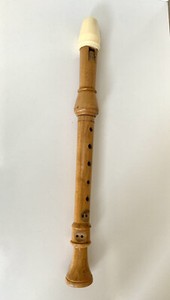
Like our history lessons, the music we did in school was very traditional and serious. We learned to play the recorder which I loved. The songs we learned and sang – or played on the recorder – were hymns, in both Welsh and English, and songs like ‘Over the Sea to Skye’ and ‘Hearts of Oak’.

Vintage Recorders for sale | eBay
My recorder was exactly like this one. My granddaughter now has it.

Science

The only science-related activity I can recall doing is when, on a fine day in spring and summer, the teachers would sometimes take us all out for what they called a ‘nature ramble’. They pointed out various flowers, trees and birds and we picked flowers and leaves to take back to school. But I mainly remember how lovely it was to be out of school, enjoying the weather and walking along the lanes around the village. There was hardly any traffic around so road safety wasn’t an issue.

Art and Craft

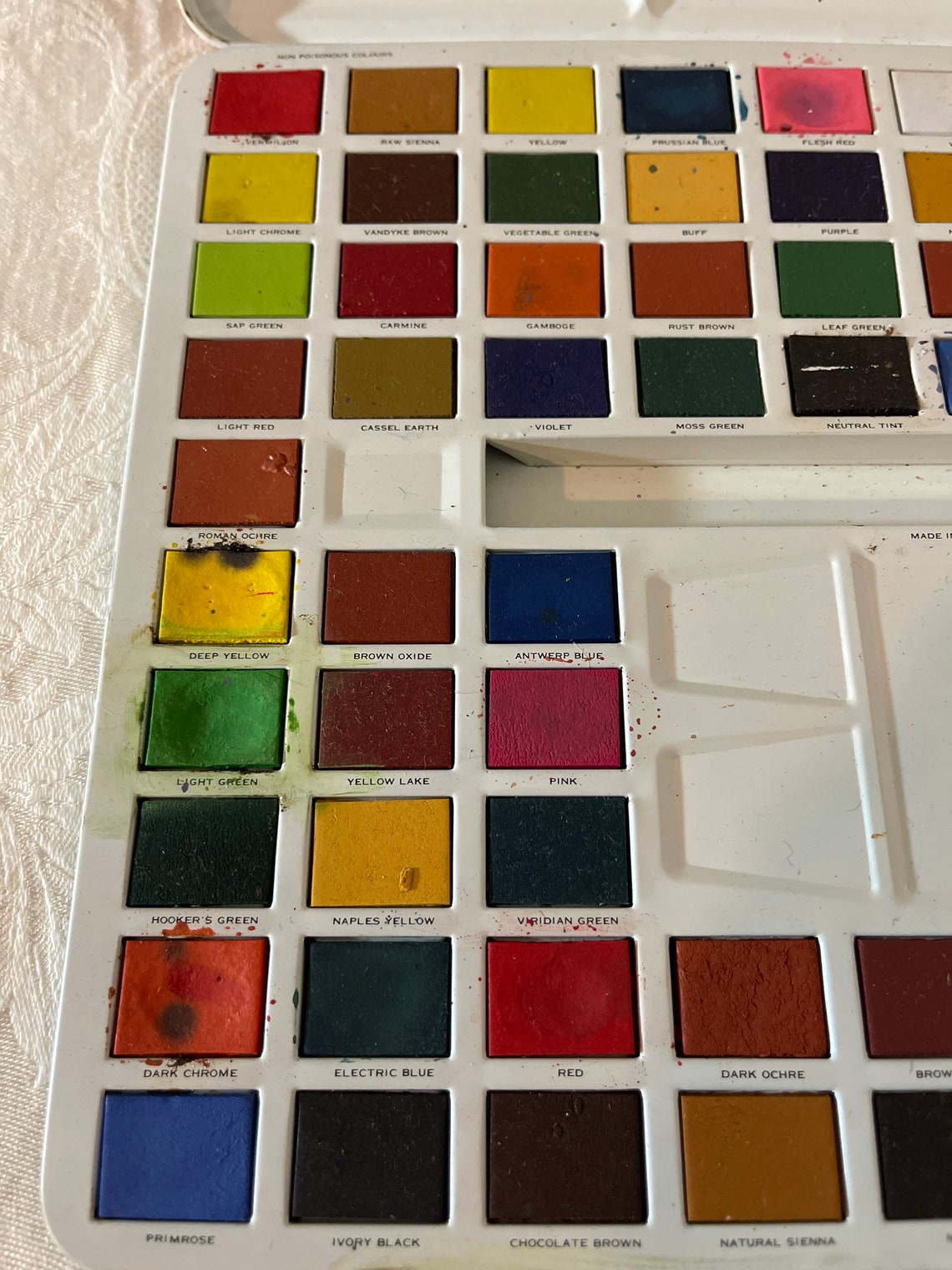
We did sometimes have art sessions but the only medium I remember using was powder paints. I don’t recall any lessons on colour mixing or technique but the painting was fun. I learned about colours at home from those lovely tins of water colours we used to have back then with the names of the colours written under every little square of paint. I loved the wonderful names they had like ultramarine and burnt umber. Oh, the joy of getting a brand new paint tin for Christmas! I also enjoyed the knitting and embroidery lessons in school.

Vintage Paint Set Divers Design 1960s Children's Paint image 5
I never see paint boxes for children now with the names of the colours written under each block – and I have looked!

P.E.

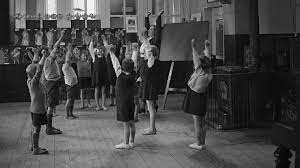
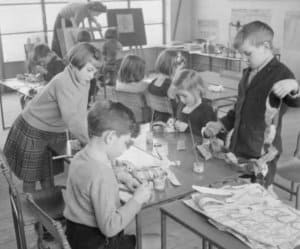
We very rarely did PE although there in a storage area there were a few boxes of coloured bean bags, balls and quoits. We used to look at them longingly! A few years into my time at the school we acquired a new school radio. Once a week one of our two teachers would tune into a BBC programme called Music and Movement. For fifteen minutes we would follow the instructions on the radio and move around the classroom in different ways. Sometimes we were asked to imagine we were different creatures or to stand still and look like a tree. We absolutely loved it!

This image has an empty alt attribute; its file name is image.jpeg
How we would have looked when listening to the BBC’s Music and Movement programme on the school radio.

R.E.

Religious Education consisted of singing hymns first thing in the morning while a teacher played the piano and saying prayers . Being a Welsh school we also learned the story of our patron saint, St David. We all went to church and Sunday School and learned more about the stories in the Bible there. We were completely unaware of any of the other faiths in the world such as Islam, Buddhism, Sikhism etc.

Saint David Biography - Childhood, Life Achievements & Timeline
St David, the patron Saint of Wales.

As always, credit to Wikipedia and Google Images. I make every effort to ensure that I do not infringe copyright but if anyone objects to my use of an image please contact me and I will remove it.

New Year, New Diary.

Happy New Year to anyone reading this!

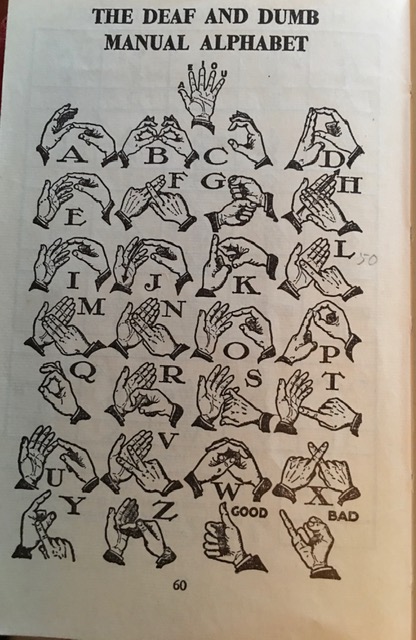
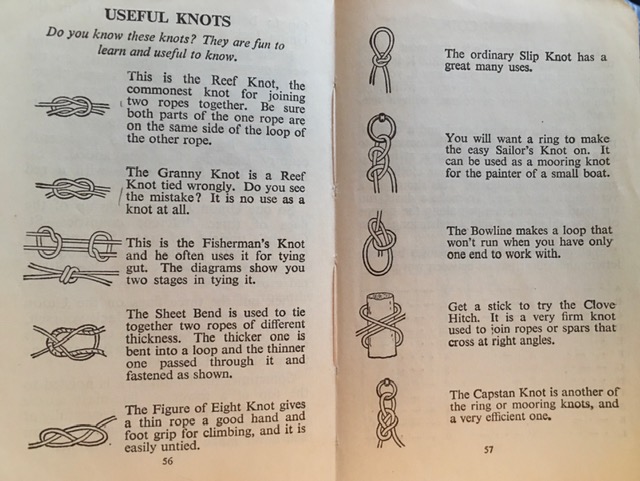
When I was a child, a new diary always appeared at Christmas. Sometimes I found one in my stocking, other years it might be a present from a friend or relative. It was so exciting starting a new diary!! I loved filling in the details inside the cover and I always enjoyed looking through all the ‘useful’ information in the front. Back then, we had diaries to record daily events as they happened rather than to note things happening in the future. My mum loved writing. She wrote stories (several were published), she really loved writing letters and she wrote a daily journal into old age. On January 1st, once we’d written our thank you letters and New Year’s resolutions, we were encouraged to start filling in our diaries. From time to time as the year progressed, Mum would remind us to write in our diaries. I still have a few of mine and most years my daily entries only lasted the first few months. However, some of my 1960s diaries are full for the whole twelve months.

My 1959 diary was an Enid Blyton one. Even though it was pocket-sized and slim it had roughly 70 pages of ‘useful’ information before the dated pages started. Looking at it now, I see that I didn’t record much in it beyond March but I can clearly remember trying to learn Morse Code, Semaphore, the hand signing alphabet and knots from the pages shown. There were pages, too, on First Aid, history, wildlife, recipes and pocket-money making ideas.

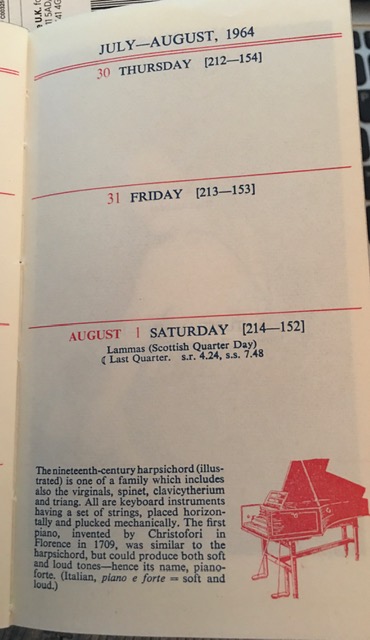
My 1964 diary was titled Lett’s Schoolgirl’s Diary. Also a slim, pocket sized one it still managed to pack in approximately 70 pages of information thought to be useful to schoolgirls. In it there are log tables, conversion charts, lists of French verbs, weights and measures charts, embroidery instructions, photographs of famous people and much more. At the end of each week’s double page there is a snippet of information with a drawing. A small selection of these pages is shown below.

The diary below is from 1963. My sister had a matching one in red. We thought they had great covers! It’s one in which I wrote every day for the whole year, often in some detail. The interesting thing about this one is that the first two months and the first week of March are a detailed first-hand account of what’s now known as the Big Freeze. Because we lived in a remote part of mid Wales it affected us more than it did some other parts of the country. Most of the roads are narrow and twisting and became blocked when it snowed. As well as road problems we had burst pipe and boiler problems in both the village school and the secondary school I’d just started in which was five miles away. There were only three weeks out of those first nine when I was able to attend school for the full five days. I record the rain washing the last of the snow away on the 7th of March.

No credits this time as all the photographs are mine – hence the poor quality!

Christmas Memories

First of all, Merry Christmas and a Happy New Year to all my readers and especially to my regular followers. Since starting this blog a few years ago it has been viewed a total of 164 500 times world wide. That makes me very happy and is way beyond what I was expecting when I started it. Also, I thought I would run out of ideas after the first year or so but every so often something strikes a chord and I think ‘I could do a blog post on that!’ Sometimes somebody suggests a topic I hadn’t thought of.

What follows is a brief summary of some thoughts and memories of Christmases when I was young. I’ve done similar ones before at Christmas but I didn’t want Christmas to pass without a mention.

The 1950s Christmas

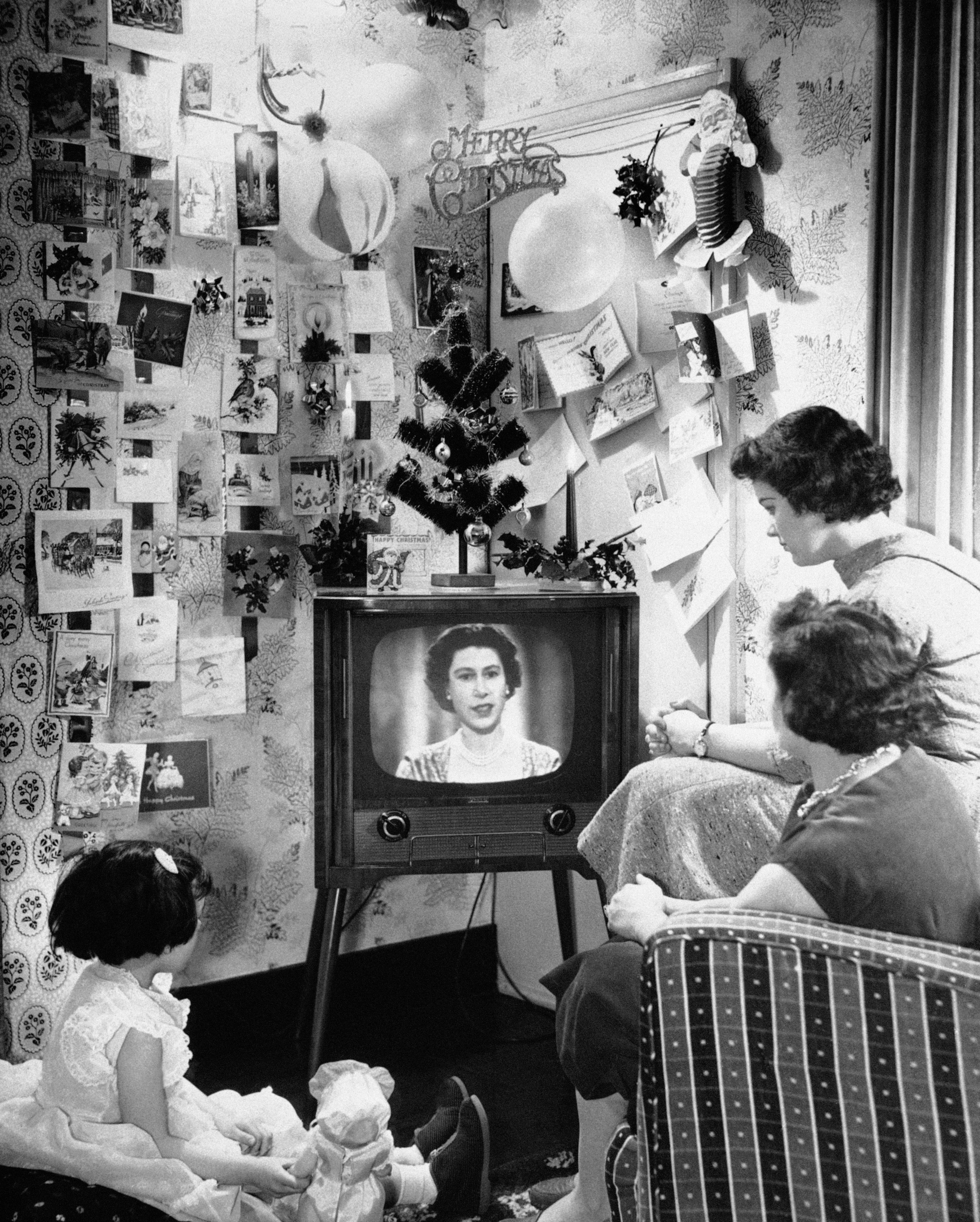
History of the Christmas Broadcast | The Royal Family
Image 1 - Vintage Spear's Ludo Board Game
A 1960s Christmas - Historic UK

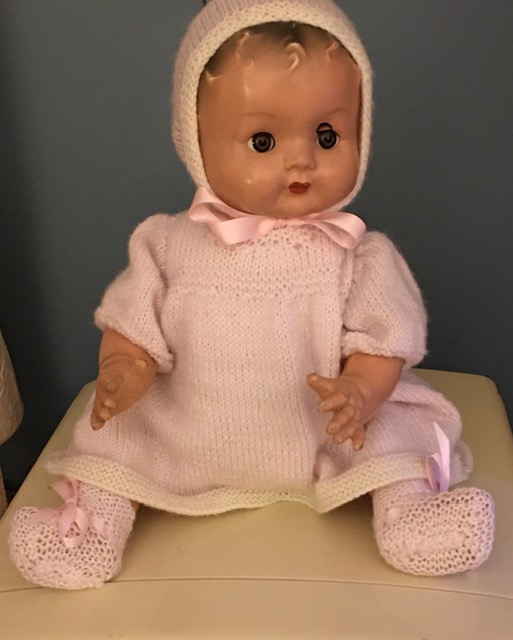
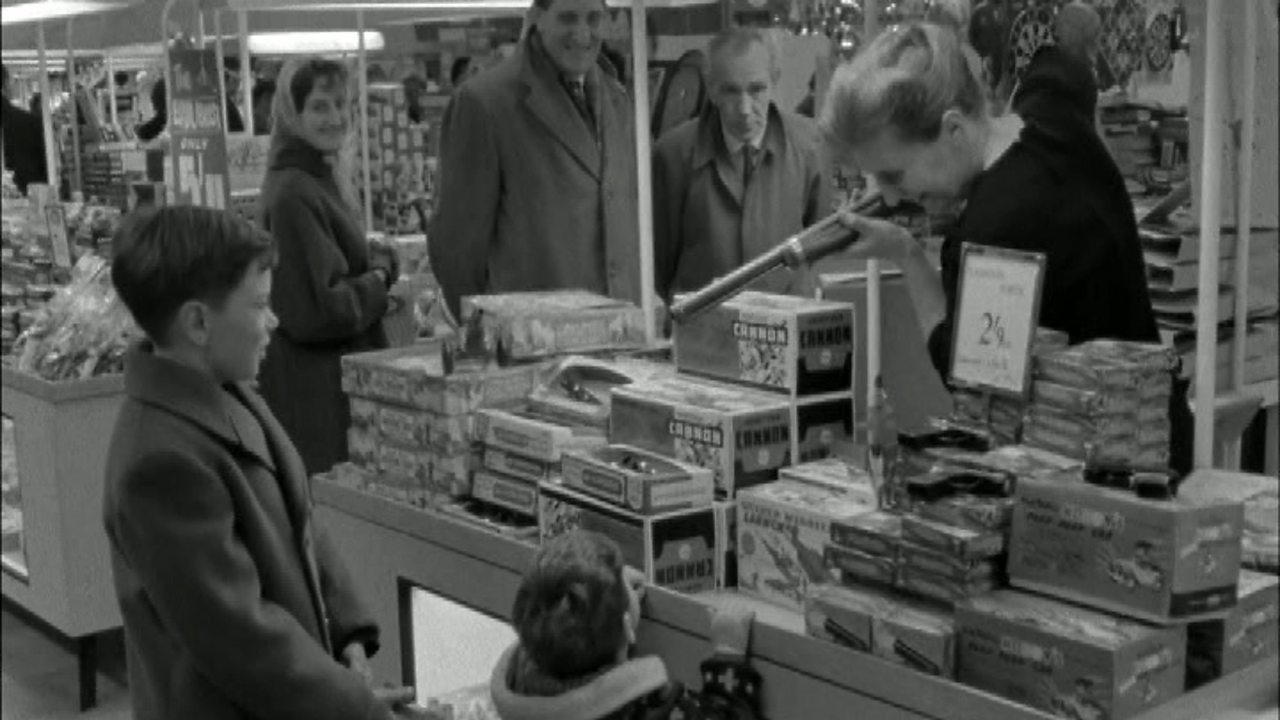
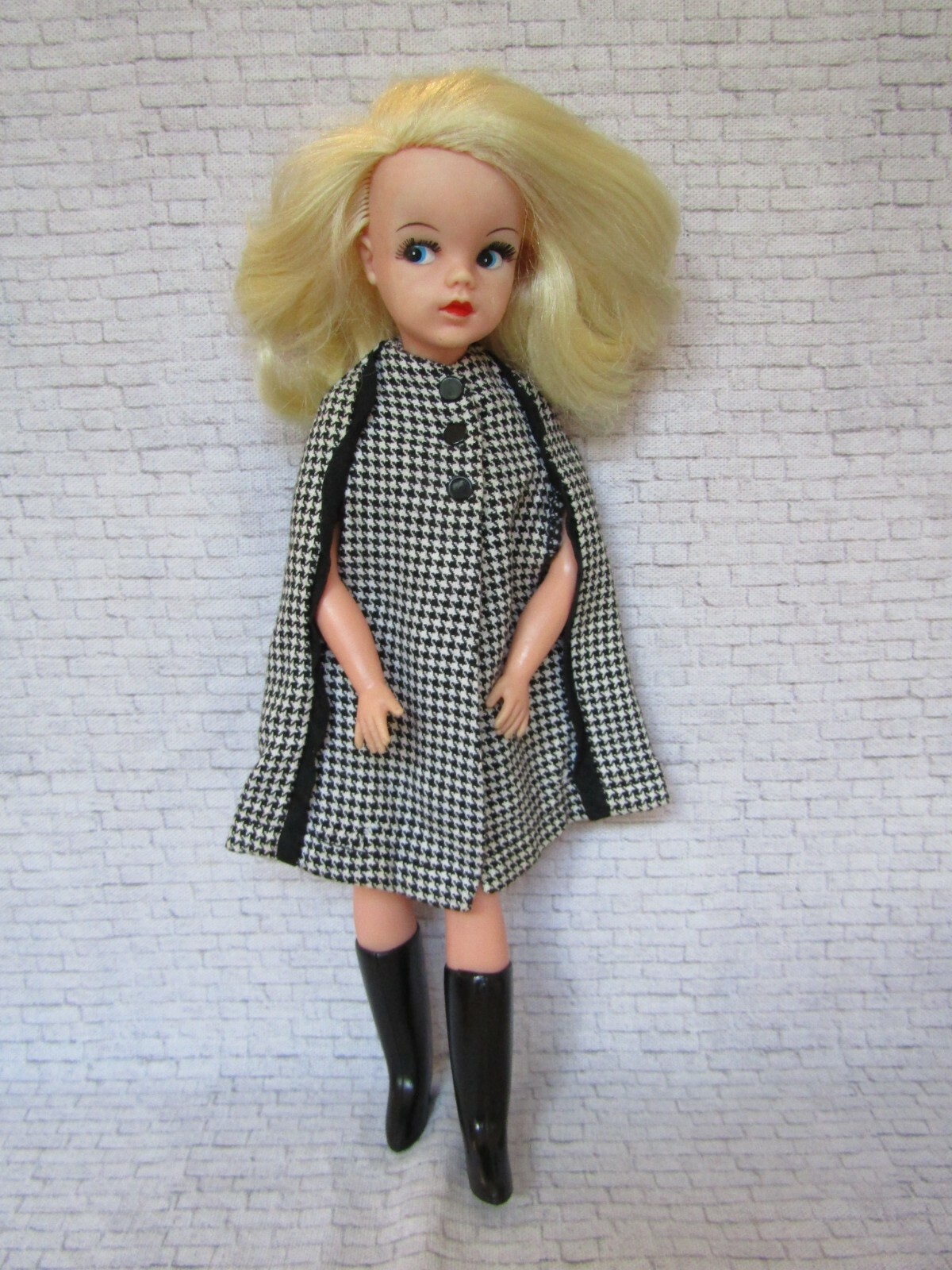
The war had only finished in 1945 and rationing was still in place in the early fifties. People weren’t well off and there wasn’t the same choice of consumer goods as there is now. I remember the Christmases of my childhood so clearly and every one was magical. Turkey wasn’t yet the UK’s main Christmas meat. Chicken was still quite a luxury at that time, before the days of mass produced chicken, so that was often what people ate. Everyone made paper chains and paper lanterns. I remember making them at school and at home in the 50s and early 60s. Gifts were mostly things you needed and were often home made. Board games were hugely popular in homes and were often given as gifts. Children were given art and craft sets too. I don’t remember any of our toys needing batteries or cables. Moving toys were mostly wind-up and, when I was little, often made of tin. Bigger dolls and baby dolls like mine were still made of pottery. Plastic ones arrived soon after. I still have the one I was given for Christmas when I was about eight years old. It’s amazing she has survived because she wasn’t a shelf doll, she was payed with for many years.

Here she is!

There was always a circus on TV on Christmas Day in the afternoon. And everything stopped for the Queen’s speech! In the fifties, in our house, this was listened to on the radio. It was first televised in 1957 but we didn’t have a TV until 1962 when I was 10.

The 1960s Christmas

1960s Christmas - BBC Archive

Image 1 - Sindy Doll 1960s New Look Side Part
BEATLES 1960`S NEMS Jigsaw No 4 + Box Walt Howarth Complete Puzzle Ex Box  VGC- - £120.00 | PicClick UK

The Sindy doll was launched in the early 60s followed by Action Man in the late 60s. There was also a short-lived doll which was popular in the UK called Tressy. In the first half of the 60s, the Beatles arrived on the music scene. My sister and I were nuts about them. My sister was given a Beatles wig one Christmas which she loved. It was moulded plastic, hurt her head and made her frown but she didn’t mind. She was about eight or nine years old. She also had a Beatles jigsaw. The second half of the sixties were my teenage years and I remember the joy of being given records as presents. Perhaps the latest Beatles or Stones single (on a 45 vinyl) or a new album from my parents. One year I really wanted a Beatles sweater for Christmas and was bought one by my mum and dad. A Beatles jumper was just a black polo-neck. Bath cubes were very common presents when I was young. Grannies, aunts, mums and teenaged girls all loved using them. You never see them now!

Many, many thanks to all of you! Have a great time.

Church was massively important at Christmas when I was young. It was so exciting to we three children to walk to the other side of the village to the Christmas morning service, sing carols, celebrate the Christmas story, see the extra decorations in the church and greet all our neighbours.

Credit to Google Images and Wikipedia. If anyone objects to the use of any image in my posts, please contact me and I will remove it.

The Annual Show

Just when I was fearing that I’d completely run out of ideas for a new post – blogger’s block? – I sat down this evening to watch Countryfile on BBC 1. Readers living in the UK will know what I mean. For people from faraway lands (as they used to say in fairy tales) it’s a weekly programme which goes out on a Sunday evening and covers all matters relating to the countryside. It’s been running for 33 years – yes, I Googled it! – and is a Sunday evening ritual for many people regardless of where they live. It can come from any part of the UK and might focus on farming, nature, tourism, environmental issues, weather, and many, many more countryside related subjects. Tonight’s episode came from a large annual agricultural show in Staffordshire called the Manifold Valley Agricultural Show. Ping! I suddenly had an idea for a blog post!

When I was a child living in a tiny village in a remote valley in mid-Wales the annual shows, which were held in the summer, were something to look forward to. The biggest one in Wales was, and still is, the Royal Welsh Show. We loved going to that one as it was almost like visiting a city to children from a small village. There were so many interesting tents, stands and displays. The ‘show’ bit comes in when farmers show their best livestock and prizes can be won. However, as children, we weren’t interested in that. We saw sheep and cows every day. We wanted to see ice-cream vans, rides, tents selling crafts and souvenirs, to just enjoy being in such a buzzing atmosphere amongst so many people. It was half an hour from where we lived so was rarely missed.
The Royal Welsh, 1950s.
The Royal Welsh 1963 – I was probably there! But I wouldn’t have been looking at the prize-winning pigs.
File:The Royal Welsh Agricultural Show at Bangor 1958 (7636807478).jpg -  Wikimedia Commons
A 1950s scene from the Royal Welsh. I think it might have been raining!

At the next tier down, every county had an annual show. Within those counties the rural towns had their own annual shows. But right at the bottom of the ladder – or the top for us as children – most farming villages also had a show in the summer. My village was tiny. It spread for miles as all the farms were so widely scattered but you could drive through it and miss it. To give you an idea, my village school which took all the village children from aged 4 to aged 11 had just under 30 pupils each year. Many of the villages in the area were as small, in some cases smaller. But there used to be some great shows to go to on a summer weekend.
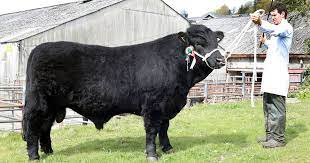
A prize-winning Welsh Black.
Lleyn Sheep Society :: History of the Society upto 2020 by H Stoney-Grayshon

Another Royal Welsh prize winner,

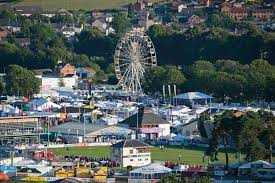
The modern day Royal Welsh. Still a great day out.

I thought this was a good time to celebrate the world creeping back to normality – very slowly – after the pandemic nightmare of the last eighteen months. There were no shows last year. As open air events they have crawled back into place this year. Let’s hope next year is completely back to normal.