Imagine that a time traveller popped up from the 50’s and 60’s who had somehow missed the decades between then and now. Rip Van Winkle – remember that story? Apart from the very obvious changes in buildings, shops, technology, instant communication etc etc, I think there are many words and phrases which would baffle them in conversation. Here is a very small selection.
Family
When I was starting my family in the early eighties, nobody had events called baby showers. I’m not sure when the idea first appeared here in Britain but it’s certainly massive now. When my children had a friend come to play or, when a bit older, had a friend come to stay the night, these were not called play-dates and sleepovers.
Music
Back in the 50’s and 60’s we had classical, jazz, blues, music from films and shows and rock and roll. In the early 60’s we saw the emergence of pop. Now there is a plethora of musical genres. Garage, hip hop, grime, dub, Indie … to name just a few!
Miscellaneous
The world of famous people has changed enormously, largely due to the new ease of communication. Some words which would bewilder a time traveller from the 50’s and 60’s are fashionista, paparazzi, celeb.
In the 1950s we had newspapers and some people had televisions. Now we have podcasts, sound bites, boxed sets, binge watching,
Back when I was a child ‘environment’ was a word we rarely heard and we never used expressions like ‘saving the planet’ or ‘good for the environment’, plant-based, eco friendly, flexitarian etc.
And finally . . .
Mindfulness, exfoliate, click and collect, chip and pin, glamping, fatbergs. And many, many more.
Note. This is my own work, written from my own memories and opinions. Credit to Wikipedia, Google, Google Images used for fact-checking. I make every effort to avoid infringing copyright. However, if anyone objects to my use of any particular image, please contact me and it will be removed.
Many thanks to Liz, a follower of this blog, for suggesting this post after reading the last one on new words.
Gumption – This was a term for common sense. ‘Use your gumption.’ ‘She’s got no gumption.’ were the kind of things heard in conversation. My mum even used to shorten it when exasperated ‘Where’s your gumpsh?’ would be the sort of thing we’d hear her say. You can’t photograph common sense so here’s an ad for a household cleaner which was very popular here in the 50’s and was called – Gumption! I haven’t seen it for donkey’s years. So I had a rummage on the Internet. It’s long gone from here but is still available in Australia. I found a big tub of it for sale on Ebay. It was £4.13 to buy plus £23.06 postage.
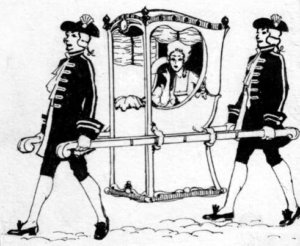
Cheerio – We all know there is a cereal called Cheerios. Cheerio hasn’t completely disappeared as a word but is much less heard than in the 50s. Cheerio! for goodbye was very common back then. Even though it’s not completely dead and is still used, albeit less so, I’ve put it in here because I wanted to tell you how it originated. It was used first in London in the 17th Century and came about because when rich people wanted to hail cab, which was actually a sedan chair, they would call out of a window ‘Chair, Ho!’ The sound of this call became associated with leaving on a journey and evolved into Cheerio!
Drawers – No, not the ones you keep your underwear in. This is your actual underwear. In Victorian times knickers/ pants/ underpants were known as drawers. It was still in use by older people when I was a child and now is probably only ever used humorously – by those who remember what drawers were. I won’t bother with a picture for this one!
Cravat – The word and the item still exist but I can’t remember when I last saw a man wearing one or heard the word spoken. Here is the lovely Michael Caine sporting a jaunty number.
Natty – My mum used to use this. I never hear it now. The Oxford English Dictionary defines it as ‘(of a person or an article of clothing) smart and fashionable.’ If we were out somewhere and saw a gent in a loud or bad taste suit she would quip, quietly, ‘That’s a natty bit of gent’s suiting!’ Her dad, my grandfather, was a tailor so perhaps she got the expression from him.
Trews/ Slacks/ Flannels – All words for trousers, all now somewhat archaic. Slacks were more casual and could be men’s or women’s. Standard grey men’s trousers, usually worn with sports jackets or blazers, were always called flannels. Flannel is a soft woven fabric, of various fineness, originally made from carded wool or worsted yarn, but is now often made from either wool, cotton, or synthetic fibre.
Wireless – Once a noun, now an adjective. We still use the word wireless and it now describes an electronic connection made without wires. When I was a child in the 50s, the radio was never referred to as a radio. It was the wireless.
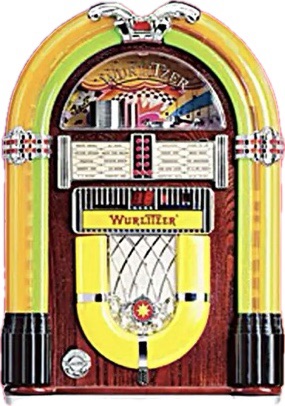
Gramophone – This was the first term used to describe a machine which played discs. This then morphed into record player and later into deck.
Radiogram – This was a radio and record player (gramophone and wireless) combined and cleverly disguised as a sideboard. Some also had a space for storing records. My mum and dad bought one when I was 8 or 9 and I thought it was amazing!
HP/ Never-Never – From the 1930s, if you wanted to purchase goods but couldn’t afford to buy them outright, there was the option of a hire-purchase agreement also known as the never-never. Credit cards, standing orders and direct debits didn’t exist.
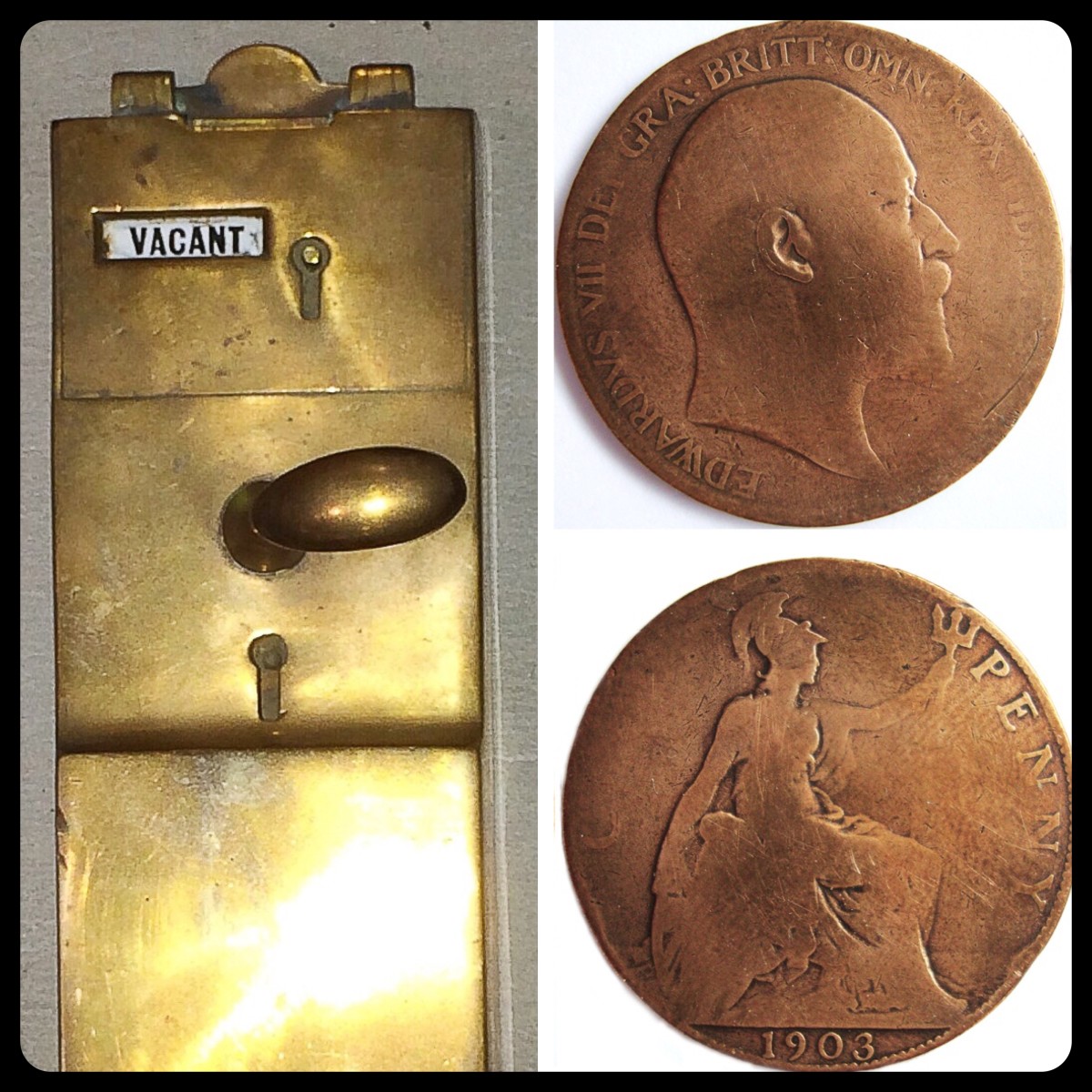
Florin, shilling, sixpence, threepence, farthing, halfpenny, ten bob note, crown, half-crown, guinea etc – these are all words from our old currency. When we decimalised we only kept the pounds and the pennies (pence). When I was very young, and for many years before that, public toilets always had a slot on the door which took one penny. This gave rise to the very British expression ‘spend a penny’ which isn’t heard as much now.
Shooting Brake – These quirky vehicles were popular in the 50s and for some reason were known as shooting brakes. Basically an estate car with a wooden trim, they had a very distinctive look.
Wellington Boot/ Gumboot/ Galoshes – now always just called wellies. At some point in the early 1800s Arthur Wellesley, then Viscount Wellington, asked his shoemaker, Mr George Hoby of St James’s Street, London, to make a boot which was easier to wear with the new, fashionable, tighter-fitting trousers. Hoby removed the tassel and cut the boots lower to make them more comfortable for riding. Meanwhile, in 1856 the Edinburgh-based North British Rubber Company had started to manufacture Britain’s first rubber or ‘gum’ boots. With the name of the duke still retaining a patriotic pull on consumers, these new boots were soon also renamed Wellingtons in Britain. Their popularity did not become widespread until the First World War, when in 1916 the company was commissioned to produce millions of pairs as standard winter kit for ordinary soldiers, to prevent ‘trench foot’, a medical condition caused by prolonged exposure to damp. At the end of the war, soldiers brought them home and introduced these extremely practical items of footwear to farms, gardens and allotments all over the country. A century later, music festivals and fashion catwalks are still benefiting from this wartime legacy.
As always, I need to say that all my images are sourced from the Internet using filters in the hope that I don’t infringe copyright. If anyone objects to the use of any image please contact me immediately and I will remove it.
Credit to Wikipedia, English Heritage, Pinterest, OED, Historic UK
This is just a quick run through some of the words and expressions which have appeared in the English language in the past several decades. I have made a point of keeping away from technological terms which would fill several blog posts by themselves. I feel that technology is a different world which is constantly evolving and is a subject in itself.
From the world of films and books we have blockbuster, sitcom, romcom, chick flick, chick lit and storyline (which surely just used to be known as plot?)
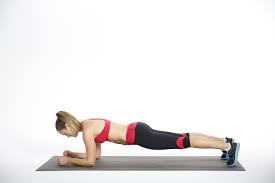
Here are some from the world of fitness and exercise. Aerobics, planking, spinning, jazzercise, Zumba – I could go on.
Then there are the media words such as paparazzi,Twitterazzi, YouTuber, podcast and blog – blog just had to be in there!
When we look at the language of environmental awareness there are words like biomass, global warming, freegan.
Here are a few more with some history on their origins. Credit to Google, Wikipedia etc.
Glamping – not tried it. Although I have done lots of camping in my time.
The word “glamping” first appeared in the United Kingdom in 2005 and was added to the Oxford English Dictionary in 2016. The word is new, but the concept that “glamping” connotes, that of luxurious tent-living (or living in other camping accommodations), is not. In the 16th century, the Scottish Earl of Atholl prepared a lavish experience in the Highlands for the visiting King James V and his mother. Here, the Duke pitched lavish tents and filled them with all the provisions of his own home palace.
Humongous – Humongous is an American slang word coined in the 1970’s, copying more proper words like tremendous or enormous. If you want to describe something that’s so big it’s hard to really measure, like the national debt or the number of cells in your body, you can use the world humongous. Just don’t use it in a formal paper.
24/ 7 – The Oxford English Dictionary (OED) defines the term as “twenty four hours a day, seven days a week; constantly”. It lists its first reference to 24/7 as from US magazine Sports Illustrated in 1983. The man to use it was basketball player Jerry Reynolds and he was talking about his jump shot.
I drafted this in January, decided it wasn’t that interesting and shelved it. However, we have since had a pandemic and a whole lot of new words have crept into everyday speech. Some already existed but were rarely heard. Here are some of the words and phrases we are suddenly hearing daily.
Furlough – I had heard this before but rarely, and always in connection with people taking leave from the forces. Here in Britain, it has been a lifesaver for many and we now hear it all the time.
Pandemic – we know what an epidemic is, most of us knew the meaning of the word pandemic but we never expected we would actually live through one for the best part of a year – and still counting.
Social Distancing – surely coined especially for a pandemic. I had certainly never heard the expression before.
Quarantine – Yes, we all knew this word already but this year it is in daily use everywhere as well as the expression ‘self-isolate’. The word quarantine comes from quarantena, meaning “forty days”, used in 14th–15th-century Venice and designating the period that all ships were required to be isolated before passengers and crew could go ashore during the Black Death plague epidemic.
Flattening the curve – Essentially a mathematical expression and now in common everyday parlance.
Algorithm – originally a mathematical term and now used a lot during this pandemic.
Staycation – The word staycation is a portmanteau of stay (meaning stay-at-home) and vacation. The terms “holistay” and “daycation” are also sometimes used. The earliest reference to this term as coming from a 2003 article by Terry Massey in The Sun News. It’s what everyone here did this summer when they had to cancel their holiday plans.
Some are existing words and expressions in common use by the medical profession alone and now being used by everyone. These include PPE, asymptomatic, antibodies, ventilators, respirators, community spread, contact tracing, herd immunity,containment.
Last but not least, a word I don’t think I’d ever used in my life before and now even hear my small grandchildren using – LOCKDOWN!
Apologies for the long silence! I have had a houseful of family staying for several weeks and everything else was shelved.
This is an idea I’ve been mulling over for a while. Several times a day I hear someone use a word or phrase and I think ‘That’s one to save. It didn’t exist in the 1950s/ 60s.’
I’m going to start with some words which were very new and trendy (I think trendy is one of the new ones?) in the 1950s. I was only a kid but I heard these word – mainly in song lyrics.
THE 1950s
I have added ‘translations’ for those who weren’t alive at the time and might be puzzled!
Gas – when something was really good or great fun it was described as being ‘a gas’ . It was still around in the 1960s – check out the lyrics of Jumpin’ Jack Flash by The Rolling Stones.
Daddy-O – a term of address from one person to another. Credited to beatnik slang.
Beatnik – definition courtesy of Wiktionary
A person who dresses in a manner that is not socially acceptable and therewith is supposed to reject conventionalnorms of thought and behavior; nonconformist in dress and behavior
A person associated with the Beat Generation of the 1950s and 1960s or its style.
Cat – a cool/ groovy person
Cool – this is still around and now usually means good (more or less) but then it was only used for anything very special.
Greaser – a word used to describe youths with loads of Brylcreem on their hair.
No sweat – nowadays I more often hear ‘no problem’ or ‘no worries’ but this was the expression at the time.
Groovy – cool, trendy, etc
THE 1960s
Dig it – I dig it meant you really liked it.
Far out – superb
Outta sight – amazing, even better than far out.
Zonked – done in, tired
Sock it to me – as in ‘Yes! I love it! Give me some more.’
NOW
I have deliberately kept away from technology so words like web, internet, digital, cyber etc etc don’t show here. That is a post by itself!
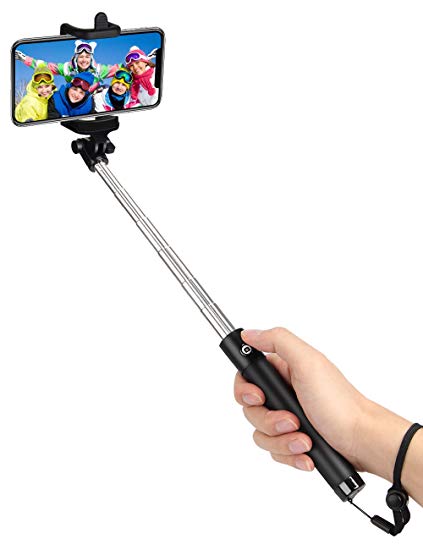
Selfie
24/ 7
Brill – when I was young, the word brilliant described
a. something shining very brightly
or
b. somebody who was extremely intelligent.
Now it is just used in place of good, lovely, fine etc and brill is as commonly used as brilliant.
Gross – when I was in school a gross was a mathematical term. It stood for 144! We now commonly describe something disgusting as gross.
Cool – arrived in the 50s and then meant something which was absolutely on trend and totally sought after. This word has hung around and now gets used as freely as OK.
Mega
Downsize
Leggings – The word existed when I was a child and usually referred to baby garments, mostly knitted, which covered the legs but not the feet. Now they’re one of the most widespread items of female clothing.
Sleepover
Playdate
Grass roots
Hijack
Backpack
Gap year
Butch
Gay – the word gay was always around but it used to mean happy, jolly.
Welcome to my blog! I am an academic historian of medicine and the body, and 2014 AHRC/BBC 'New Generation Thinker'. Please enjoy and let me know what you think. All content is generated by AW and not AI!













 Childhood Memories of growing up in the 1950s and 1960s.