Designed by Sir Giles Gilbert Scott in 1924, the first red phone box appeared on Britain’s streets two years later. The design went from K1 (Kiosk 1) to K8 (Kiosk 8) and was finally replaced by the KX. The K6, which was designed in 1935, was designed to commemorate the Silver Jubilee of George V. It was consequently sometimes known as the “Jubilee” kiosk. It went into production in 1936. The K6 was the first red telephone kiosk to be extensively used outside London, and many thousands were deployed in virtually every town and city, replacing most of the existing kiosks and establishing thousands of new sites. In 1935 there had been 19,000 public telephones in the UK: by 1940, thanks to the K6, there were 35,000.
Public telephones were an essential part of life until relatively recently when mobile phones arrived on the scene. When I was a child most homes didn’t have a phone in the house. Even if you did, once you were away from home the red phone boxes were plentiful. The photograph below is what the interiors of phone boxes were like when I was growing up. A local call cost 4d – four old pence – and took four penny coins. When your call had been put through you posted your four coins into the slot and pressed button A when it was answered. If it wasn’t answered (no answering system in those days!) you pressed Button B and got your coins back. There was a shelf in the kiosk which held a telephone directory. When I was in my teens and old enough to go out with friends in the evening at a weekend, my dad always made sure I had four penny coins with me in case I needed to call home for a lift or some other reason.


The old 1d (one penny) coin which was enormous compared to today’s coins.
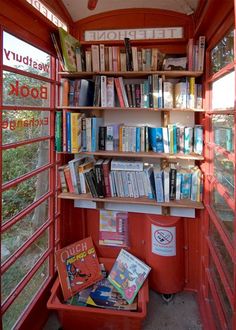
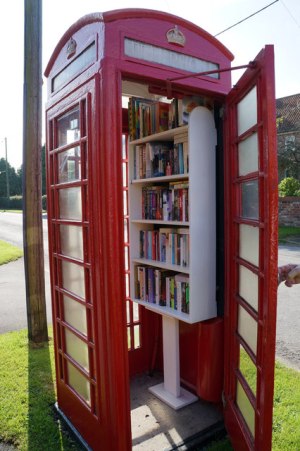
Although their number and use has declined in recent years, many of them have already been repurposed by communities. Through the ‘adoption scheme’, for just £1, more than 5,000 communities have turned our iconic red phone boxes into something that brings value and enjoyment to local people – from libraries, to food banks, and defibrillators.
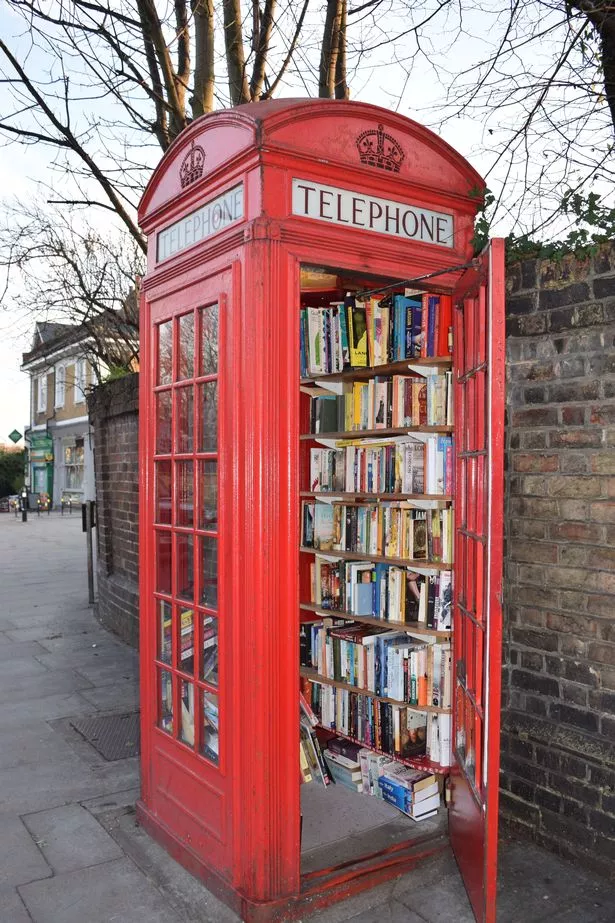
Some communities have adopted kiosks as libraries or book exchanges.

Many kiosks now serve as defibrillators.

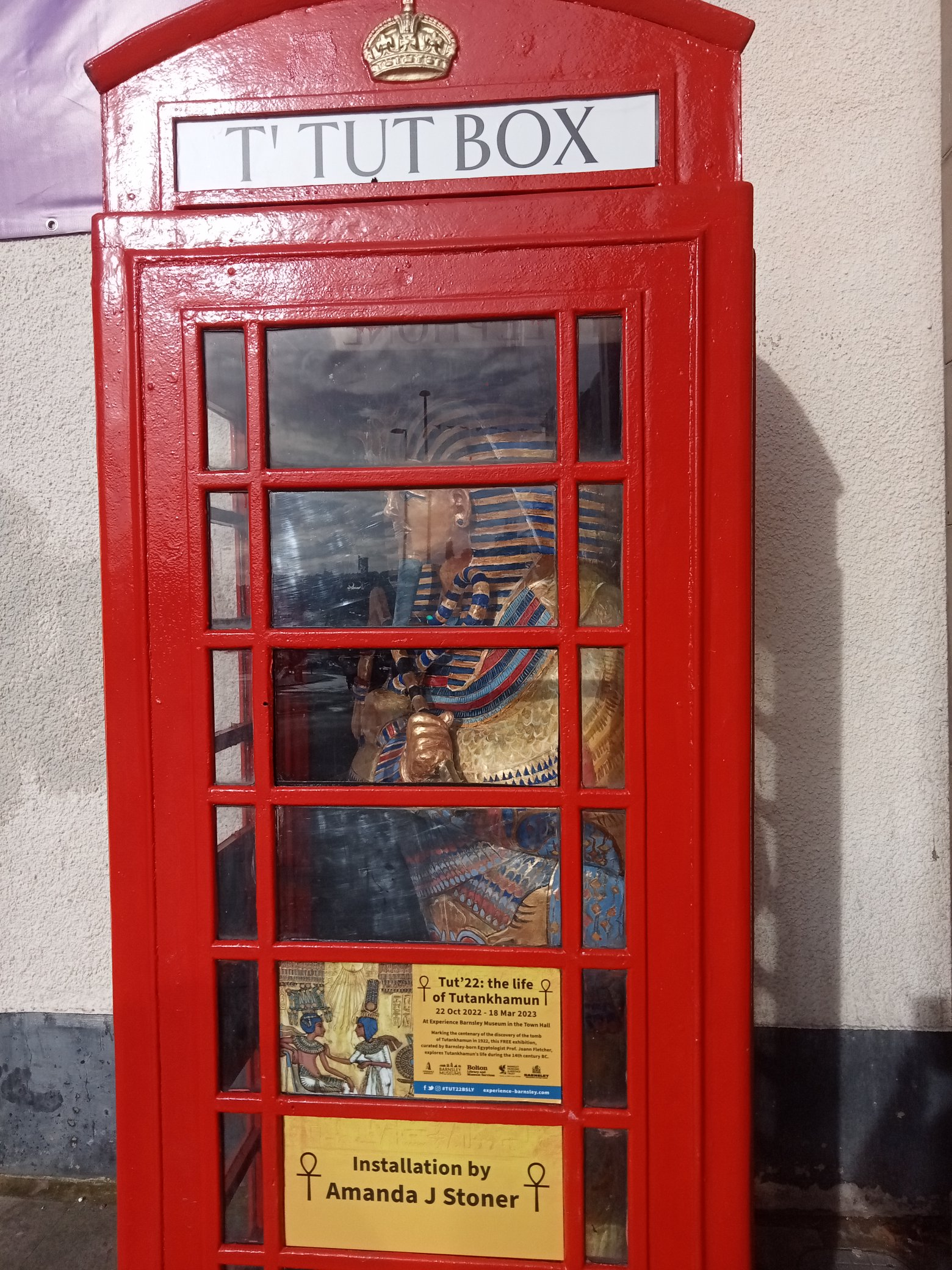
The following three are are pictures of phone boxes not far from me which are used as mini art galleries and museums with exhibitions changed regularly.



A picture of a so-called ‘phone box graveyard’.

The KX which replaced the traditional red kiosk. Even these are few and far between now.
As always, credit to Wikipedia and Google Images. I make every effort to avoid infringing copyright but if anyone objects to the use of any image or info in my posts, contact me and it will be removed.




 Childhood Memories of growing up in the 1950s and 1960s.