Finding Things Out – Before The Internet

It crossed my mind recently that any time I want to know something I can reach for my phone, tablet or laptop. It wasn’t always so!

Humans are curious by nature. As infants we ask our parents endless questions. Next comes school and the teachers and the books on the shelves.

Parents

As toddlers, pre-schoolers and very young children, we assumed our parents knew the answer to everything. They could have told us anything and we’d have believed it. In fact, many adults have funny stories about being told daft things for fun – and believing every word.

Teachers

Once in school, children had another oracle to consult – the teacher. Up went the hand and “Please Sir/ Miss, how did……………?” and so on. Of course teachers didn’t know everything, any more then parents did, but very young children didn’t know that.

Atlases, dictionaries, encyclopaedias etc.

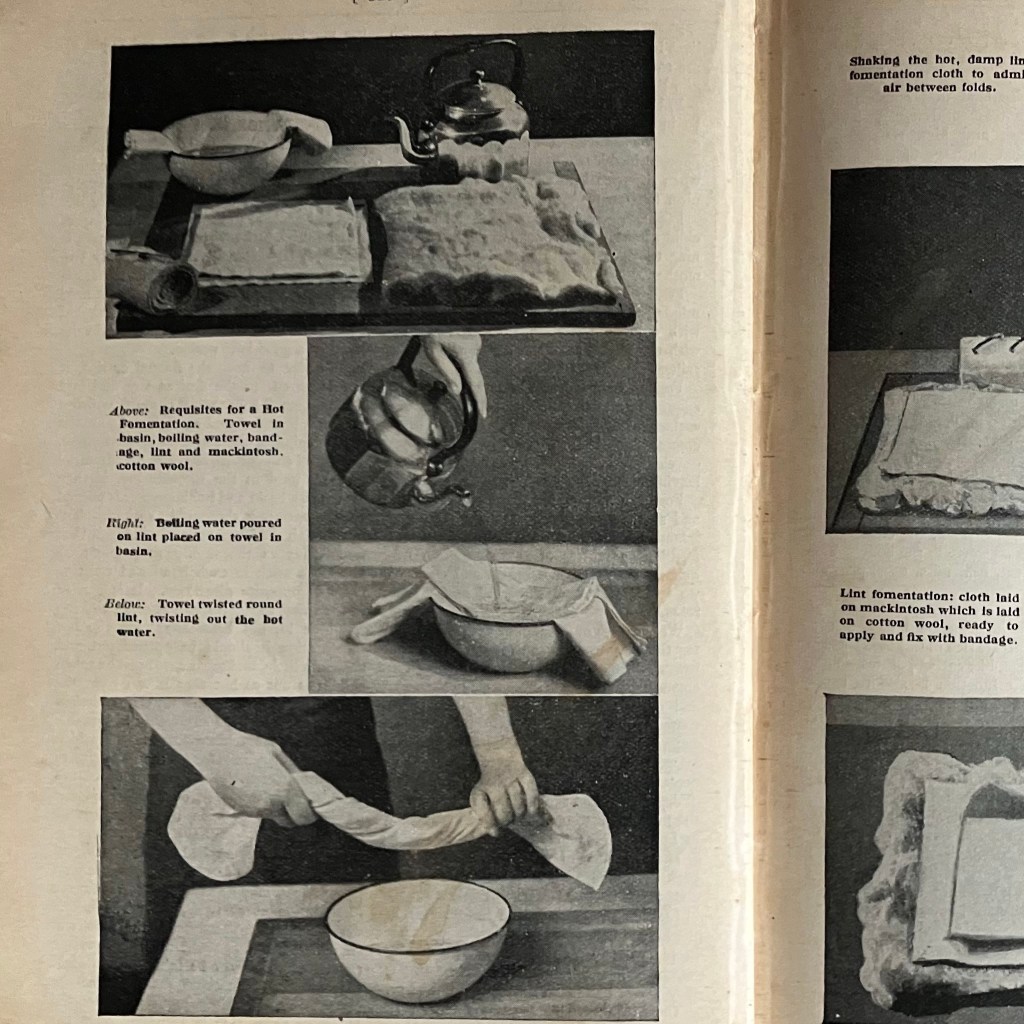
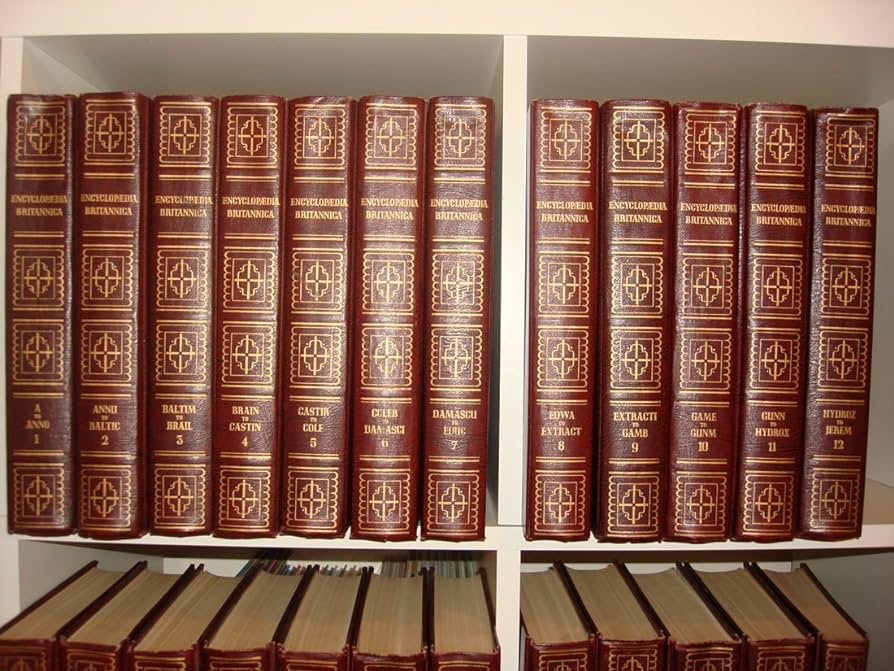
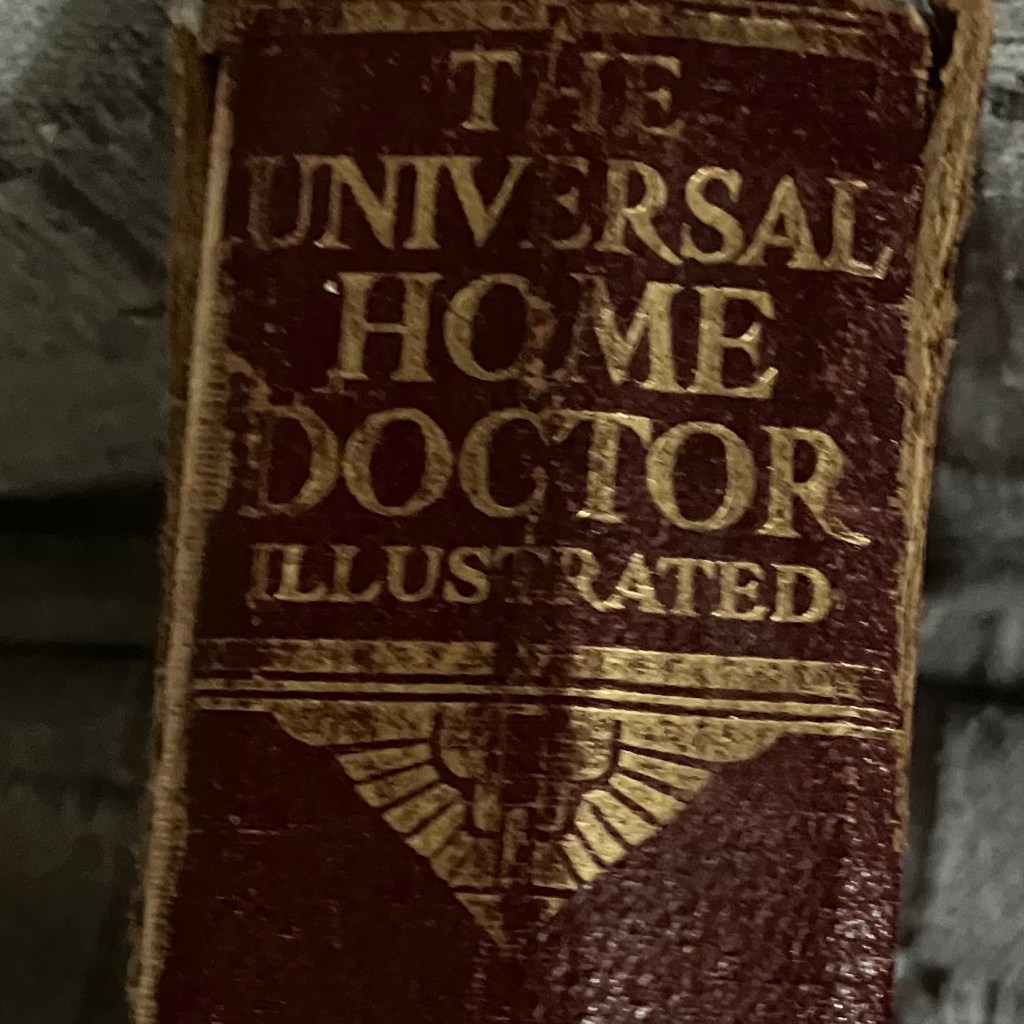
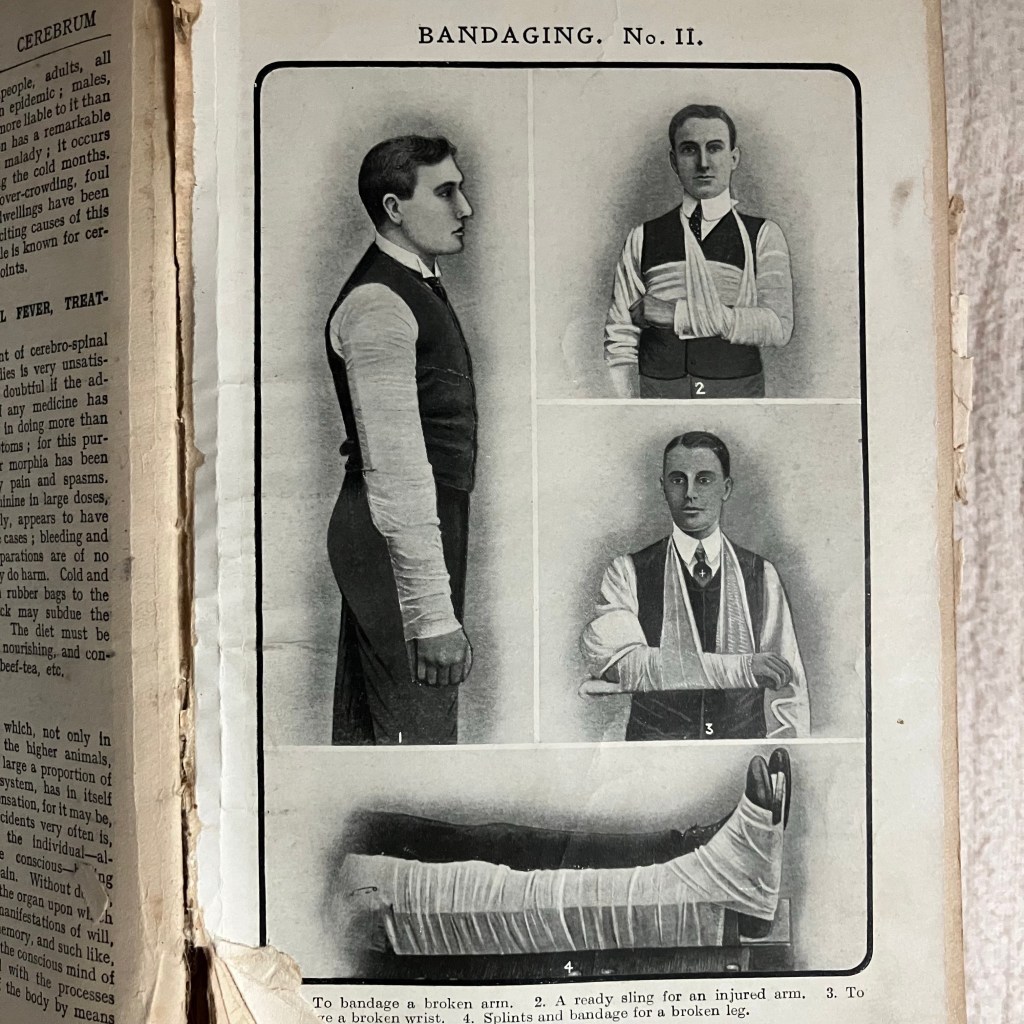
Once children became fluent readers, a whole new world opened up. Reference books were on hand in the classroom and most homes had a selection of books. A set of encyclopaedias was a popular thing to have. I know that’s how my grandfather collected his. These were often bought one at a time through a scheme, so I’ve been told. There would also be a Bible, a dictionary and often a world atlas. In many houses there would be a ‘Home Doctor’ book. I still have the two which were in my grandparents’ house. One is from the 1800s and the other from around 1920. They make fascinating reading!
Libraries

Libraries, particularly the reference sections, were a very important source of information. As an adult, and before the days of the Internet, I would make a note of anything I wished to find out more about and then take my list with me when I next had a chance to visit the local library.

Motoring Handbooks

For households with a car, and many didn’t when I was a child, the motoring handbook was a very useful travel guide. In the UK back in the 50s, we had the RAC and the AA. My dad favoured the RAC. With the membership the motorist got breakdown and rescue cover and every year received a new handbook. These held a wealth of information! There were road maps, of course, but also information on any town you were interested in, charts for calculating travelling distances and a full list of all registration letters so you could look up any car you spotted and find out which county it was from. We children had a lot of fun with that in the back of the car on holiday.

The Dawn of the Internet

This is a whole new era and not one I’m covering here. Now we walk around with ALL of the above reference material in our pockets. Children, even very young ones, are adept at looking things up on laptops in school and at home.

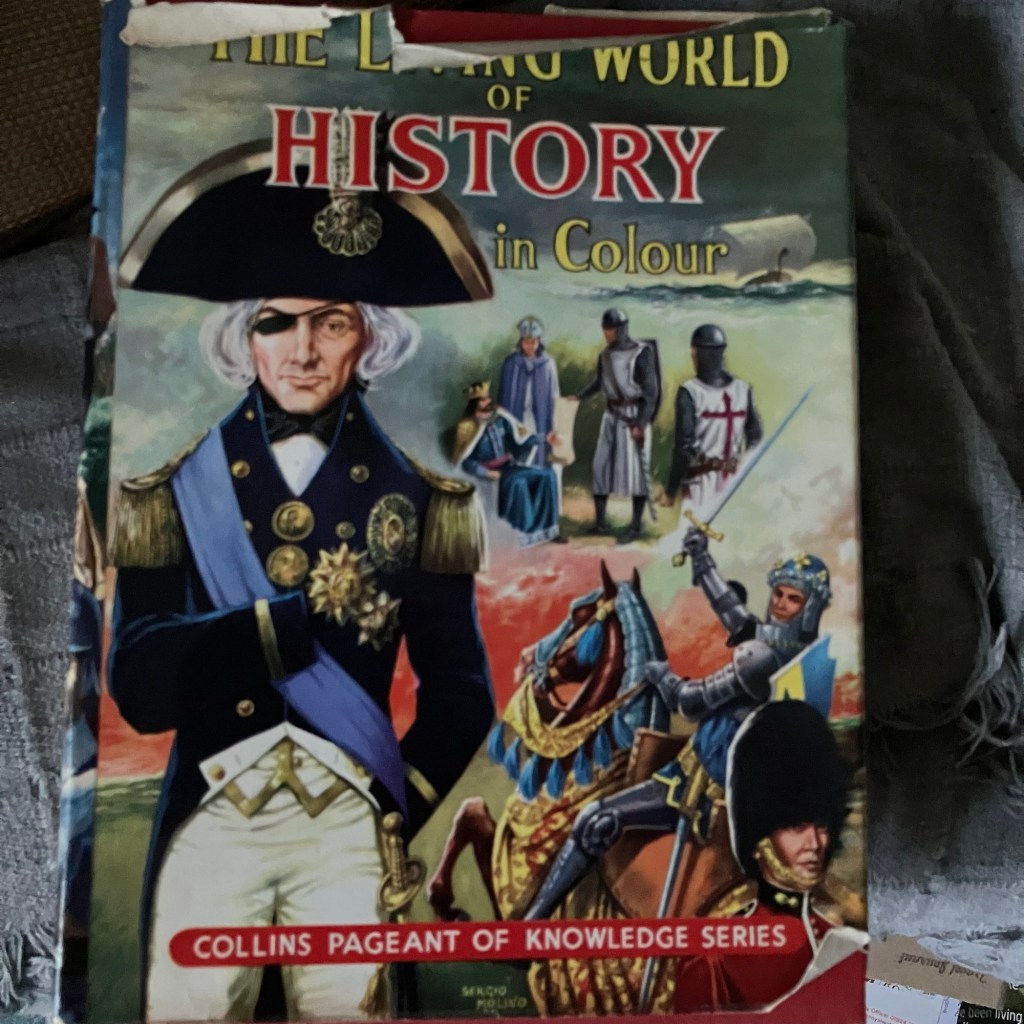
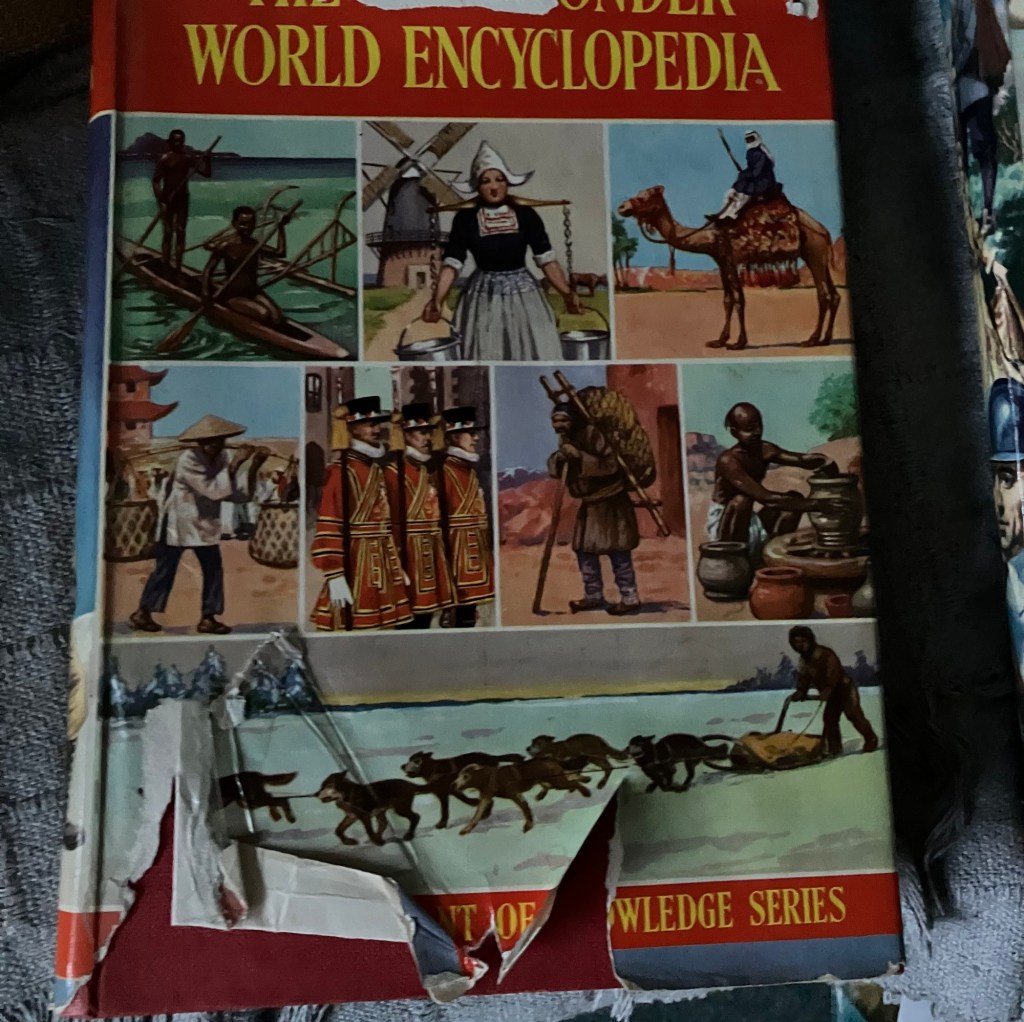
Finally, here are three of my own books from my childhood.
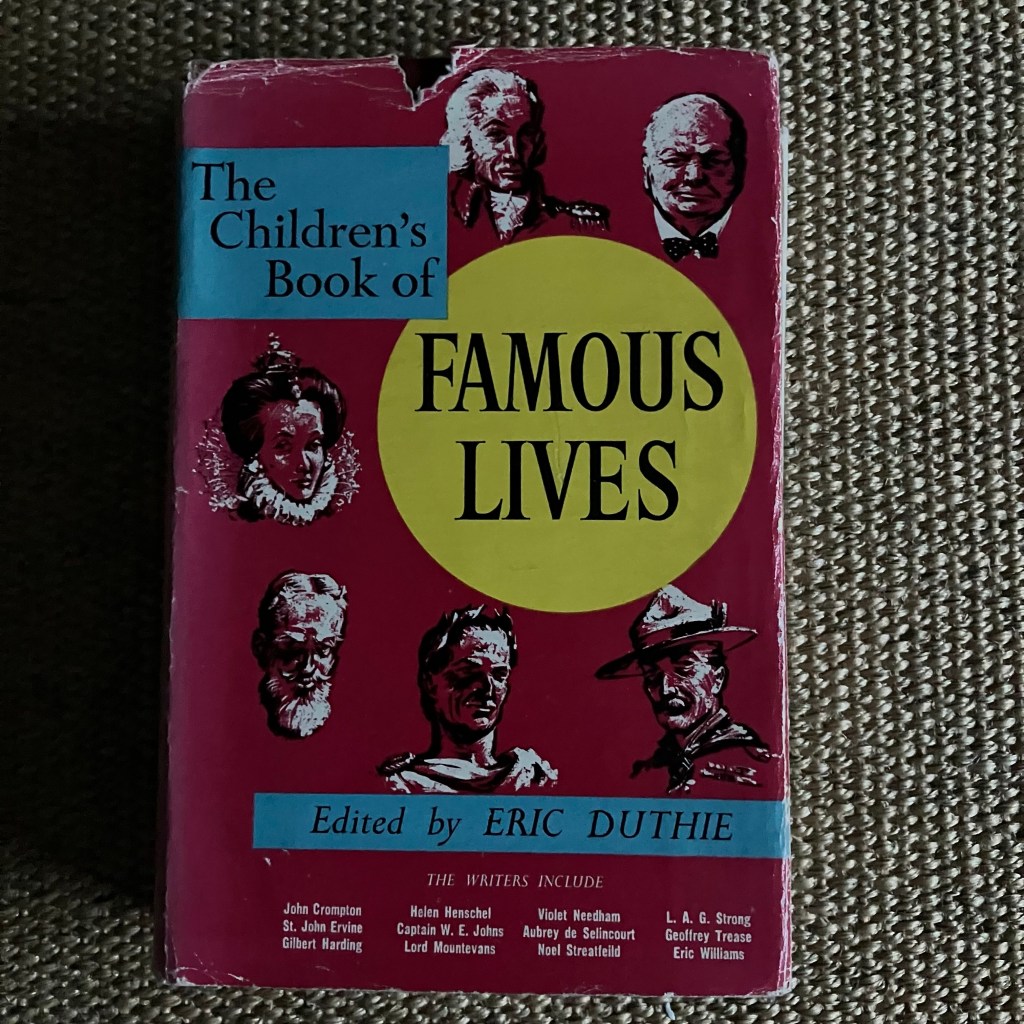
These are my own thoughts and memories, I am not attempting to write a history book!

The photographs are my own.
Before the Internet.

Technology has moved on at an incredible pace in the past few decades. Back in the days before we had the internet there were things which we needed which we don’t need as much any more.

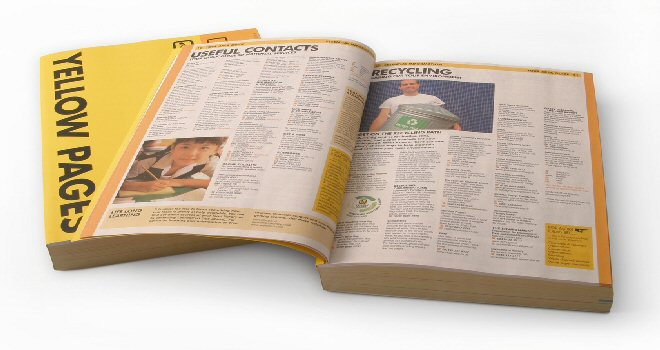
I’ll start with telephone directories. In the days when all phones lived at home and were connected by wires we received a new telephone directory and a new Yellow Pages every year. One winter I did a few weeks work delivering Yellow Pages and I walked miles!

If I wanted to find out about something back in the 50s and 60s my first port of call was my mum and dad’s set of encyclopaedias. After leaving home, when I didn’t have encyclopaedias to hand, I would make a note of what I wanted to find out and call into a library.

Many homes had a Home Doctor book or a First Aid book. I bought one when we were expecting our first baby in 1980. I’m also lucky enough to have two very old home doctor books which came from my grandmother’s house. One I’ve managed to date to the 1920’s and the other one is from the 1800s but I can’t guess closer than that.

I know people who don’t buy books at all any more but read all their fiction online.

I love recipe books and still use them but I also use the internet if I’m looking for something in particular which I don’t think I have a recipe for.

I also always have a book of road maps in my car but when going somewhere new I increasingly use my phone to navigate me there.

When we used to go on family holidays when I was a child, and later with my own family, we would pack a guide book, a road atlas, and perhaps a bird spotter’s guide and a flower identification book. Or books about trains, castles . . . . whatever the family’s interests.

Now we don’t just have the internet available, most of us have it in our pockets on our smartphones.

Here is a random selection of some of the things we can manage without now – when we want to.

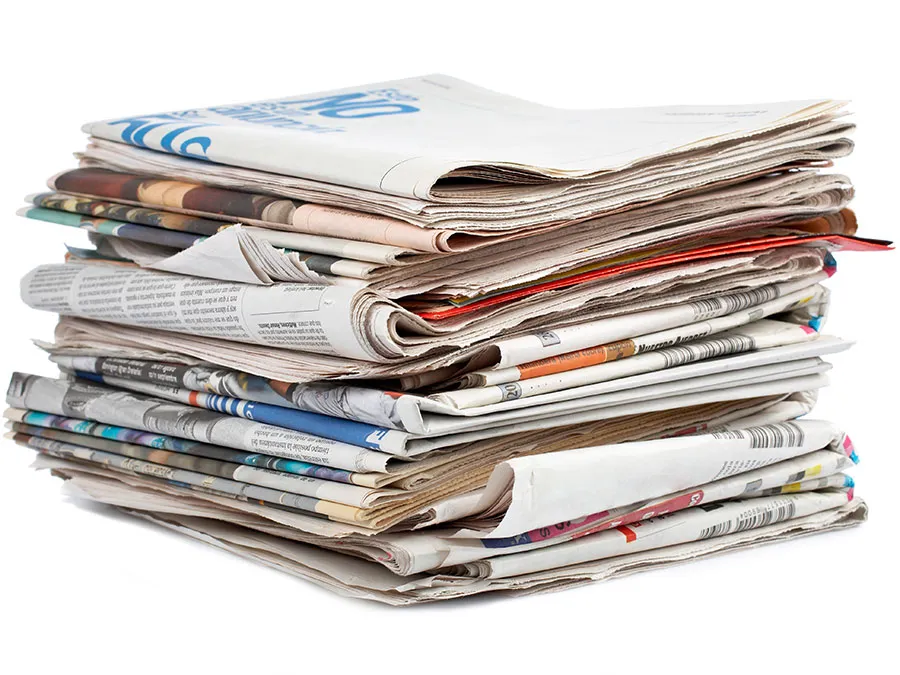
Having said all that, I still love books! I have many books of all sorts, still read fiction in paper form, still take a newspaper and love a good browse in my recipe books.

As always, credit to Wikipedia and Google Images. I make every effort to avoid infringing copyright. However, if anyone objects to my use of an image please contact me and it will be removed.

Libraries

I have loved books and reading for as long as I can remember. I was thinking about libraries the other day and I realised that I use libraries less now than ever before in my life. The reasons are the same as they are for everybody else –

I can now look things up myself on my phone, ipad and laptop using the mighty Google.

I can now buy second-hand books in charity shops for as little as 50 pence and also very cheaply online and often postage free.

New books, too, are extremely affordable when bought in supermarkets or online.

I can also buy e-books and read them on any of my electronic devices. (I don’t, because I still prefer books, but I could.)

It’s no wonder that libraries and independent bookshops are closing in Britain.

All through my childhood, teens, twenties and thirties, being a member of a library was very important to me. Wherever I lived, I joined a library, sometimes being a member of more than one at a time.

As a child in the 1950s, we went to the library whenever we were in the nearby town which was five miles away. Below is a picture of the building it was in – taken a bit before the 1950s! When I lived in that area the building housed the library , the Labour Exchange and my dad’s office – he worked for the Forestry Commission. Although there was no library in our village (it was tiny) there was a lady who lived in a little house next to a chapel who ran a small book lending system from her front room. The main library used to drop new books off with her every so often.

llandovery-clock-tower

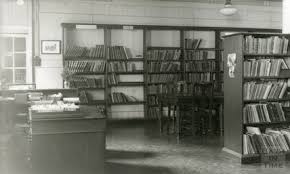
What I remember about libraries in the old days (even though I loved them) is how quiet and serious they were. You absolutely did not make a noise of any sort or you would be told off. I loved them because I love books and reading but I can see how someone less committed to reading could have been put off by the interior of a library.

Library 1  Library 2

Above – the interiors of a couple of old libraries. The pictures can’t convey the deathly hush which prevailed!

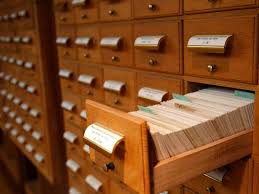
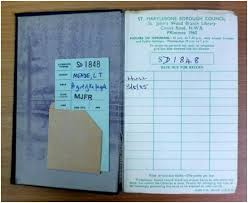
library files      library book

The pre-digital way of book-lending.

I have no recollection of ever being asked to do any independent research for homework when I was in school – not even when studying for A-levels. Lessons were all based on notes dictated by the teacher then and on learning by rote – but that’s another blog post! While I was at university I preferred to do most of my work in the university library. This was partly so that I could use the reference books but also because the atmosphere was more conducive to study than a cold, gloomy student rented house.

Libraries now often have art or history exhibitions running, they have computers the public can use, they are bright, friendly and welcoming. The children’s sections have toys and games and regular organised activities. Yet libraries are still closing all over the country. Where they have been saved and continue to function, they are often rehoused in a smaller space in a new building. The one shown below is a Victorian library building near where I used to work. In spite of a well-fought campaign to keep it open, it was closed over ten years ago. I believe it now houses offices so at least it isn’t empty or worse – demolished. The new library which replaced it is in a modern purpose built community centre. Public lending libraries began here in Britain in the 1850s, the main pioneer being William Ewart. Since 2010, nearly 500 libraries  have closed in England, Wales and Scotland. Some libraries facing closure have been taken over by volunteers.

normy library

Finally, a nice little tale of recycling!

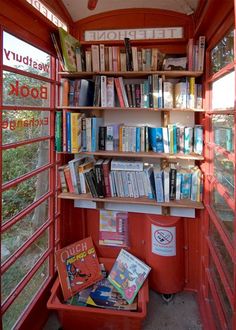
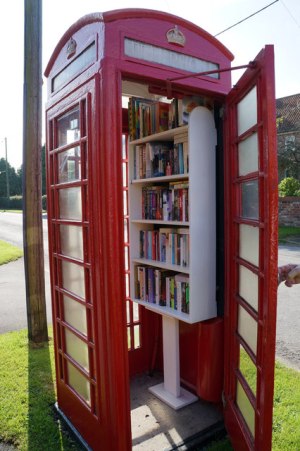
The iconic red telephone boxes found all over the UK are beginning to disappear but, thanks to a BT scheme called Adopt a Kiosk, many unused payphone kiosks have been transformed into libraries. This preserves the heritage of the red kiosk, particularly in rural locations and provides a library service in areas which lack one. Most of these libraries are left unlocked and are stocked by donations from local people. Anyone is free to borrow a book and donate a used book.

220px-Phone_box_library,_Whitwell,_IW,_UK    517d1d84e2bd9ff5150f1d852f0822bb--telephone-booth-free-library telephone-library-1

reading and And now, a few quotes about libraries:

Reading is an exercise in empathy; an exercise in walking in someone else’s shoes for a while. —Malorie Blackman

Whatever the cost of our libraries, the price is cheap compared to that of an ignorant nation. —Walter Cronkite

Libraries will get you through times with no money better than money will get you through times with no libraries. Anne Herbert.

Reading is to the mind what exercise is to the body. —Joseph Addison

As usual, I would like to say that all images and facts used in this post have been gleaned from the Internet and are readily available. However, if anyone objects to anything in this post, for any reason, please contact me directly so that I can remove it.