The first form of music listening came from our earliest groups of people. This music was not considered organized as we might call the music we listen to today, rather, it used forms of clapping, drumming, and oral music with varying types of singing.
Later, some of the more popular music appeared in churches. Many musical artists and writers began to write music as a response to God and to the church. It was used as a tool to unite people.
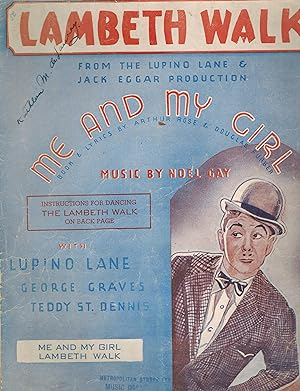
Throughout the centuries, people have enjoyed making and listening to music. Singing in the home was popular, often around a piano. With the coming of the music halls in Victorian Britain, popular songs were becoming well known and sung. The first form of bought music was sheet music. As the popular songs of the day became known people would buy the sheet music and play in groups in homes, pubs and community spaces.
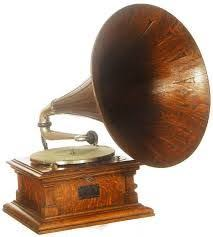
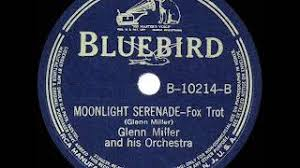
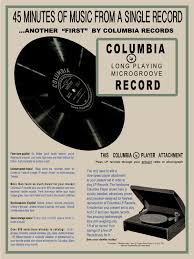
In the late 1800s, Thomas Edison invented the first record player known as a phonograph. By the 20s and 30s gramophones, later known as record players, and the black discs revolving at 78 rpm became more readily accessible to the public. The record player and records themselves evolved through several different stages from the 78’s to the newer, smaller 45’s (singles) and the 33rpm LPs later known as albums.
We always had a record player at home and one of my siblings still has our parents’ wonderful collection of 78’s. In our village there was a ‘big house’ where the local gentry had lived for generations. The little boy from the house went to our village school for a few years until he went away to boarding school at 7. While he was in our school I remember going to his birthday parties. His mum used to play music for us for the game of musical chairs on a wind-up gramophone with one of those brass horns as a speaker. A bit like the one below. This was in the mid 50s and none of us had seen one of those before, apart from on the HMV labels.
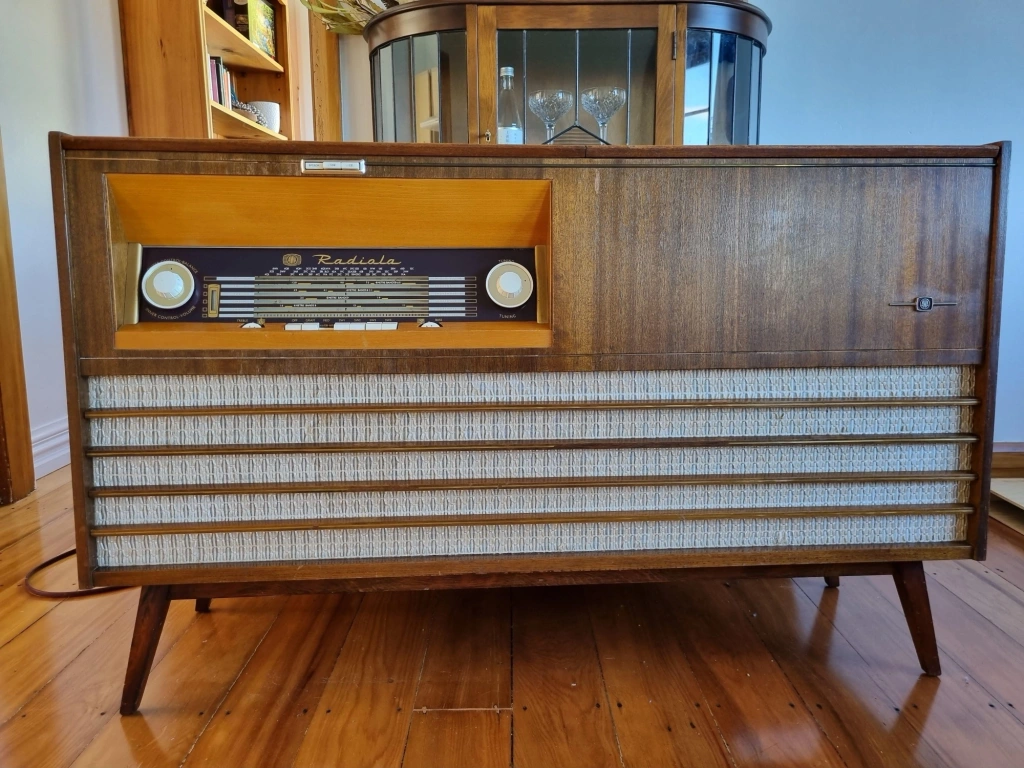
In the early 60s my parents bought a combined radio/ record player known as a radiogram which was housed in a wooden casing like a sideboard. We thought it was very sophisticated!
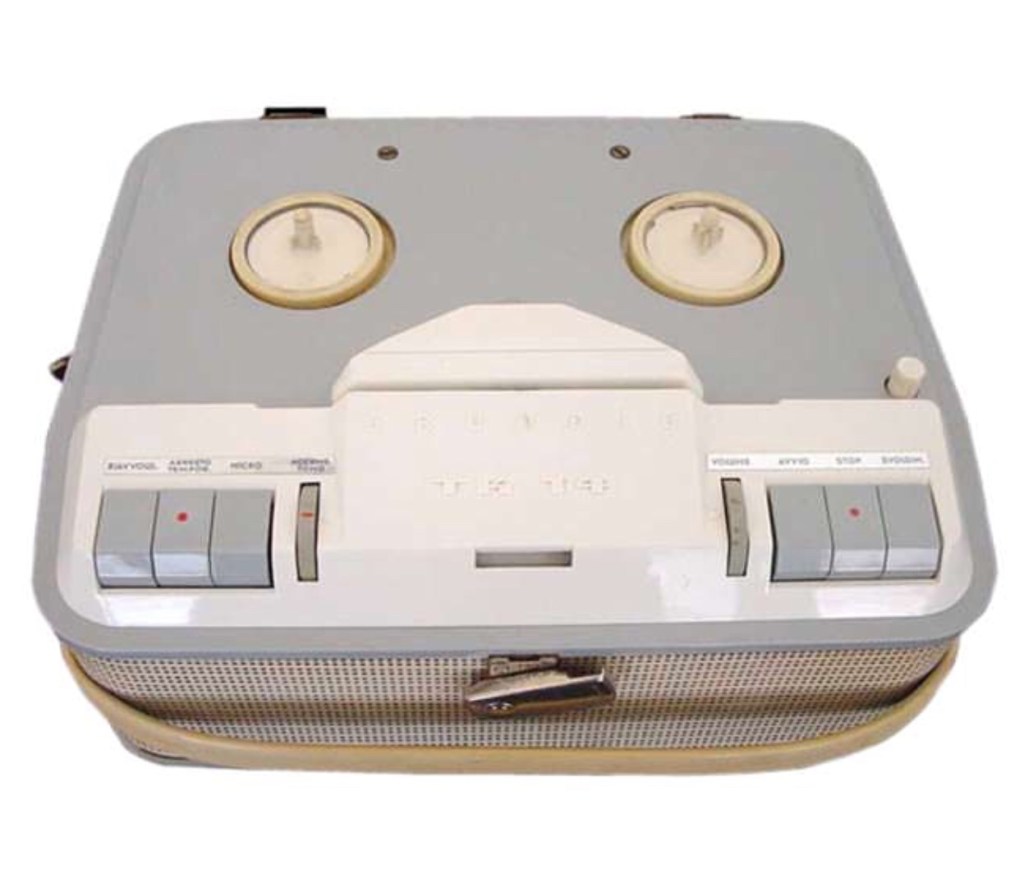
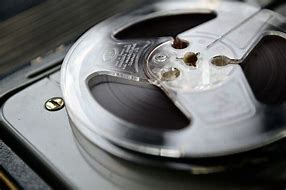
In the mid 60s my mum and dad bought a reel to reel tape recorder. I can still remember that it was a make called the Grundig TK14. My brother, sister and I had so much fun recording music from the radio. We were teenagers by then and into pop music. We couldn’t afford to buy all the records we would have liked to so this was a great way to save our favourite songs to play again and again. We had to hold the microphone next to the radio and be very nifty about pressing STOP just before the presenter started talking again.
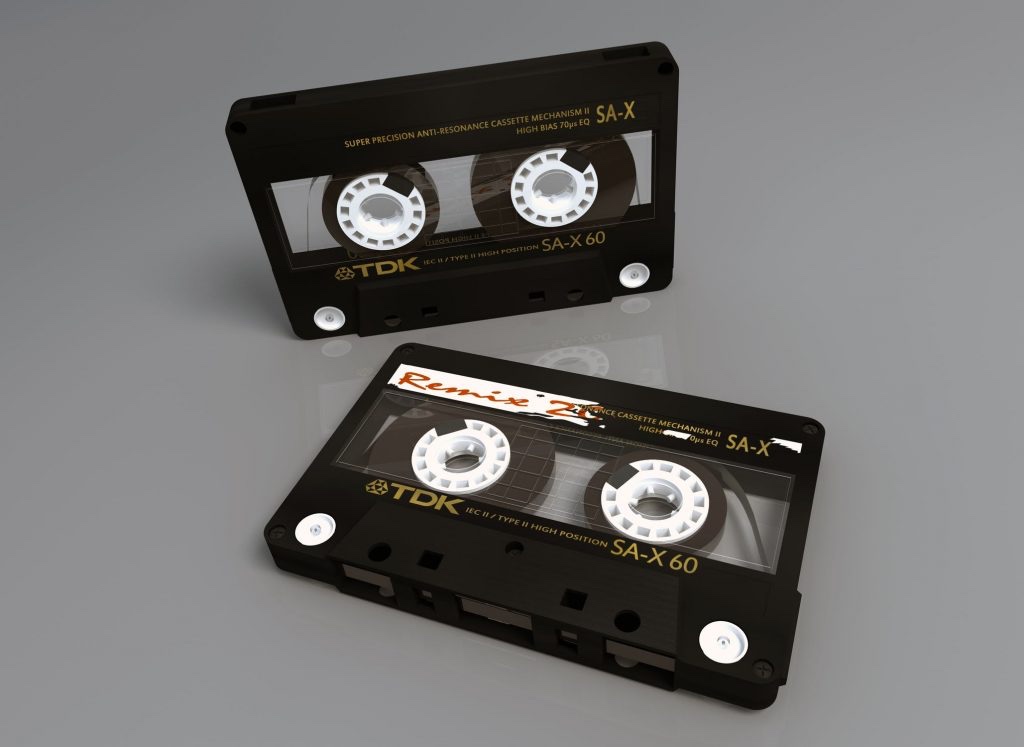
Then along came cassettes. Oh, the joy of swapping albums with friends and recording them onto a C90 or C60. Once I was able to have a cassette player in my car I could listen to my favourite albums as I drove. We’d come a long way from the 78’s and 45’s of my childhood.
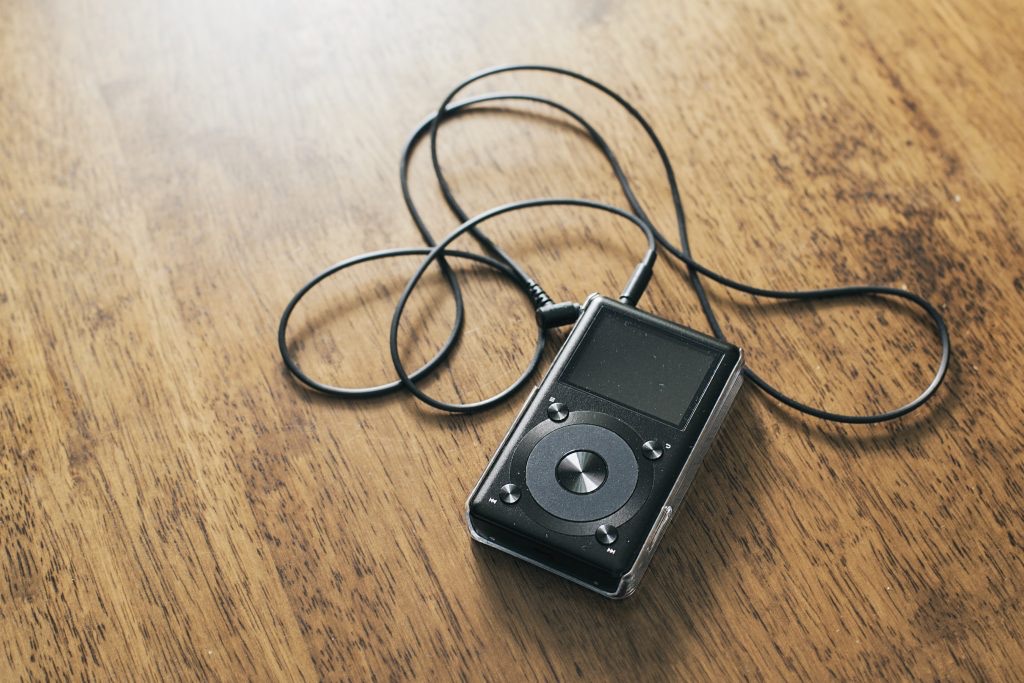
I am now into the eras you will all remember very well. So I will skim through and just mention a few stages which come to mind – The Walkman, the iPod, CD’s and eventually streaming.



Credit to Google Images and Wikipedia. If anyone objects to the inclusion of any images in this post please contact me and it will be removed. Facts are checked but I apologise for any errors you might spot!



 ‘Uncle Mac’ the voice of Saturday mornings in the 1950s.
 ‘Sparky’s Magic Piano’ is the second in a series of children’s audio stories featuring Sparky, an original character created for Capitol Records in 1947. Sparky is a little boy with an overactive imagination. His adventures involve inanimate objects which magically come to life and talk to him. This is the one I remember best. Sparky’s voice was Henry Blair and the magic piano’s voice was created using a piece of equipment called Sonovox.
 I was amazed to read that the song ‘The Laughing Policeman’ which I used to hear in the 50s had been recorded in 1926! Charled Penrose sang it and it was written by him and his wife but based on ‘The Laughing Song’ by George Johnson which was first recorded in the 1890s. This was proper music hall stuff!
 Big Rock Candy Mountain next. I loved this song! I loved the way Burl Ives’ wonderful voice and the fantasy world described in the lyrics painted vivid pictures in your mind as you listened. His ‘I Know an Old Lady’ was another regularly played song.
 In 1952, a film was released based on the life of Danish story teller Hans Christian Andersen. Several of the popular songs of the 50s were from this film. Danny Kaye starred as Andersen and sang the ones I remember best – ‘The King’s New Clothes’, ‘Thumbelina’ and ‘The Ugly Duckling’.
 Recorded in 1956, written by Ralph Butler and sung by Mandy Miller the song ‘Nellie the Elephant’ was used for many years to teach the correct rate for compressions in CPR in First Aid classes. Expert opinions differ so don’t take it as gospel!
 The tune to ‘Teddy Bears’ Picnic’ was written by John Walter Bratton in 1907 and the lyrics by Jimmy Kennedy in 1932. Irish born Kennedy lived in Somerset and is buried there. Local folklore claims that a wood in Staplegrove Elm, Somerset was the inspiration for the song. The popular 1950s version was recorded by Val Rosing.
 This novelty song, written by Bob Merrill in 1952, is reputed to be loosely based on the folk tune Carnival of Venice. A recording by Lita Roza was the one most widely heard in the UK, reaching No. 1 on the UK Singles Chart in 1953. It also distinguished Roza as the first British woman to have a number-one hit in the UK chart as well as being the first song to reach number 1 with a question in the title.
 Two children’s Favourites perennials were ‘You’re a Pink Toothbrush’ and ‘Gilly Gilly Ossenfeffer’ by Max Bygraves. He was seen as the amiable family man but was reputed to be a serial philanderer who had many extra-marital affairs, some resulting in children. He did, however, remain devoted to his wife until the end of her life when they were both in their late eighties.
 Yorkshire born Ronnie Hilton was a popular ballad singer who had several hits in the 50s including a Number One hit in 1953. His very popular children’s song was ‘The Windmill in Old Amsterdam’.
 This was such a fun song! So far I have been unable to find out whether ‘The Runaway Train’ is based on a true story. Liverpool born Holliday was hailed as Britain’s answer to crooners like Sinatra. However, he was plagued with mental health issues and died from a suspected overdose in his late thirties.

 Childhood Memories of growing up in the 1950s and 1960s.