It crossed my mind recently that any time I want to know something I can reach for my phone, tablet or laptop. It wasn’t always so!
Humans are curious by nature. As infants we ask our parents endless questions. Next comes school and the teachers and the books on the shelves.
Parents
As toddlers, pre-schoolers and very young children, we assumed our parents knew the answer to everything. They could have told us anything and we’d have believed it. In fact, many adults have funny stories about being told daft things for fun – and believing every word.
Teachers
Once in school, children had another oracle to consult – the teacher. Up went the hand and “Please Sir/ Miss, how did……………?” and so on. Of course teachers didn’t know everything, any more then parents did, but very young children didn’t know that.
Atlases, dictionaries, encyclopaedias etc.
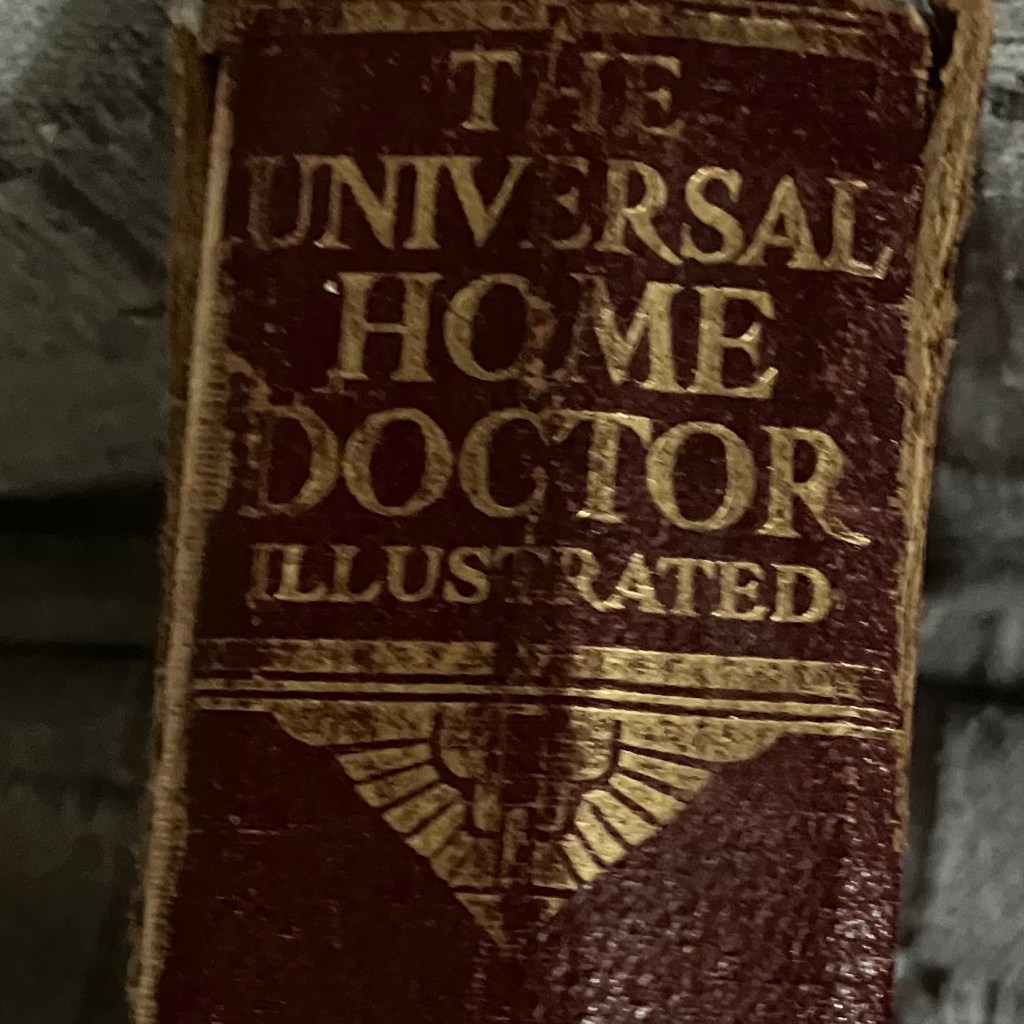
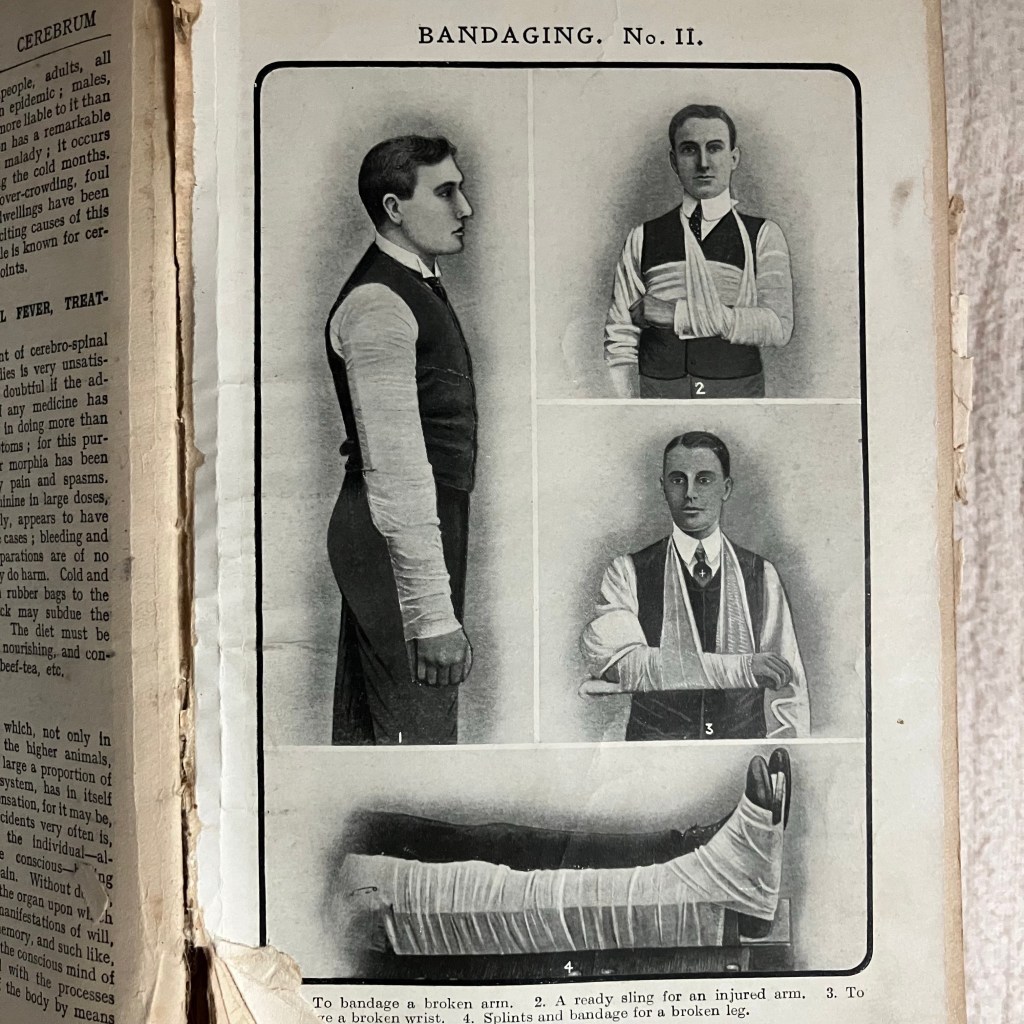
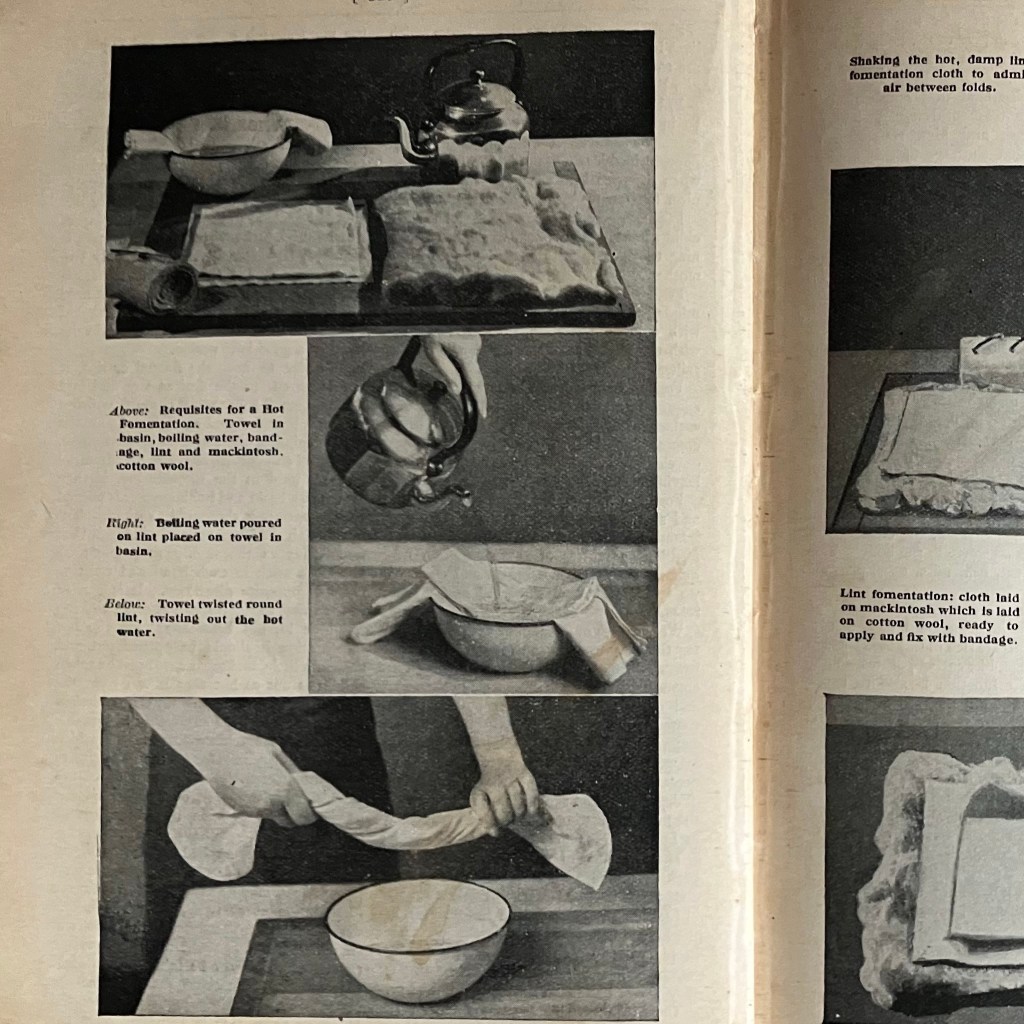
Once children became fluent readers, a whole new world opened up. Reference books were on hand in the classroom and most homes had a selection of books. A set of encyclopaedias was a popular thing to have. I know that’s how my grandfather collected his. These were often bought one at a time through a scheme, so I’ve been told. There would also be a Bible, a dictionary and often a world atlas. In many houses there would be a ‘Home Doctor’ book. I still have the two which were in my grandparents’ house. One is from the 1800s and the other from around 1920. They make fascinating reading!
Libraries
Libraries, particularly the reference sections, were a very important source of information. As an adult, and before the days of the Internet, I would make a note of anything I wished to find out more about and then take my list with me when I next had a chance to visit the local library.
Motoring Handbooks
For households with a car, and many didn’t when I was a child, the motoring handbook was a very useful travel guide. In the UK back in the 50s, we had the RAC and the AA. My dad favoured the RAC. With the membership the motorist got breakdown and rescue cover and every year received a new handbook. These held a wealth of information! There were road maps, of course, but also information on any town you were interested in, charts for calculating travelling distances and a full list of all registration letters so you could look up any car you spotted and find out which county it was from. We children had a lot of fun with that in the back of the car on holiday.
The Dawn of the Internet
This is a whole new era and not one I’m covering here. Now we walk around with ALL of the above reference material in our pockets. Children, even very young ones, are adept at looking things up on laptops in school and at home.
Finally, here are three of my own books from my childhood.
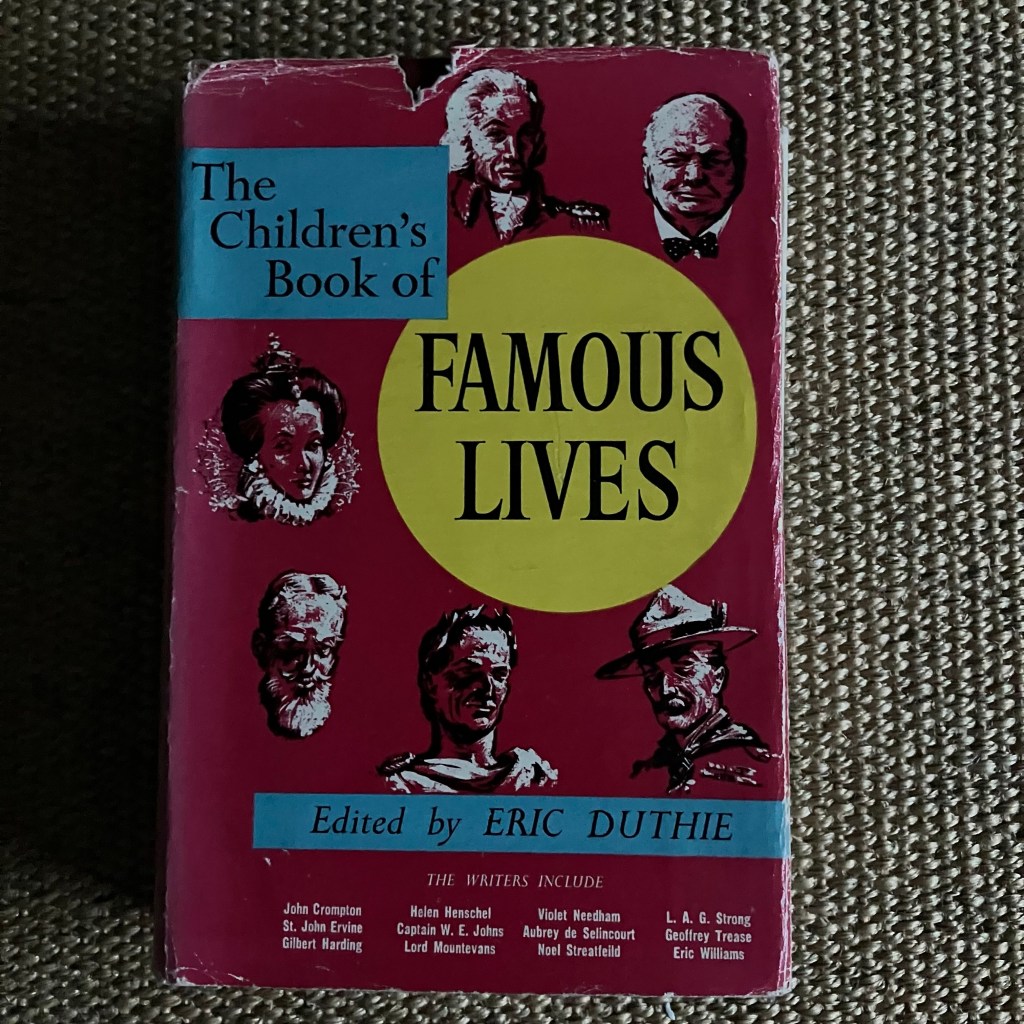
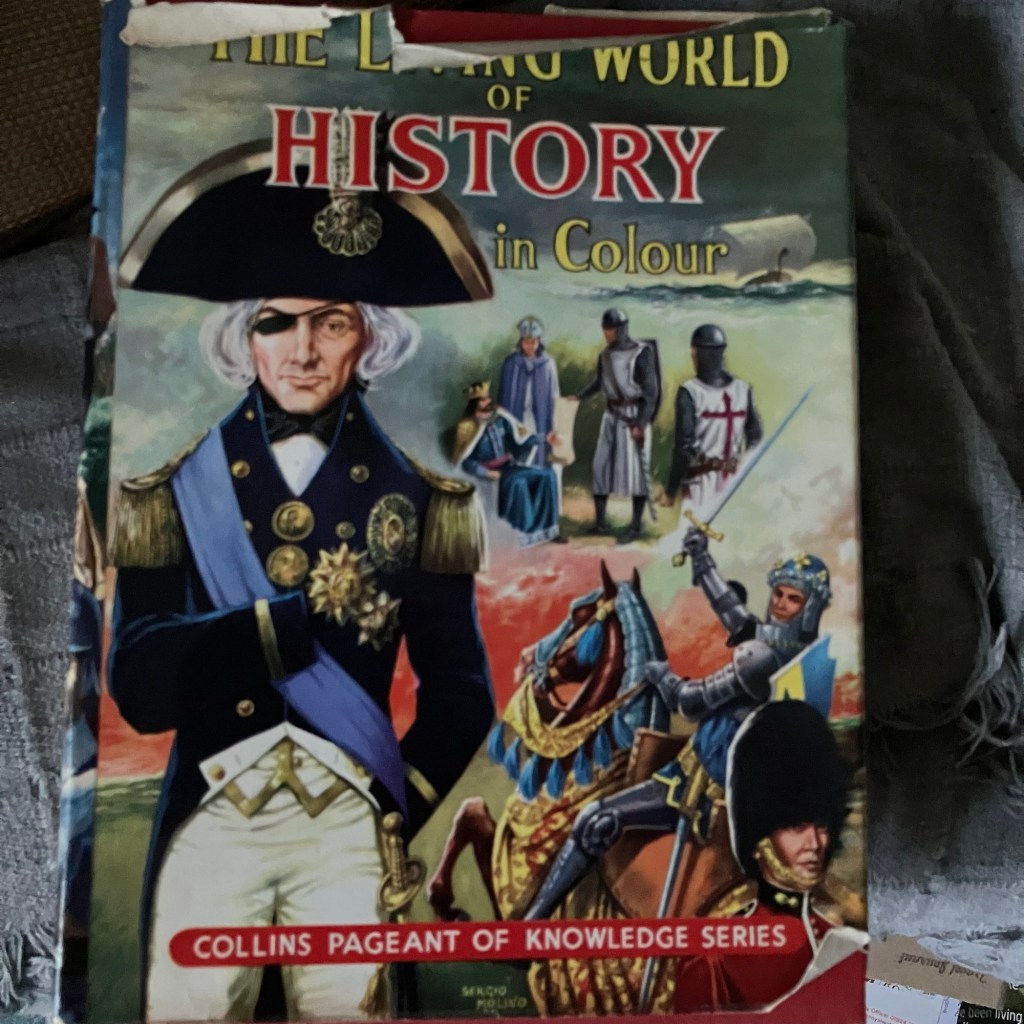
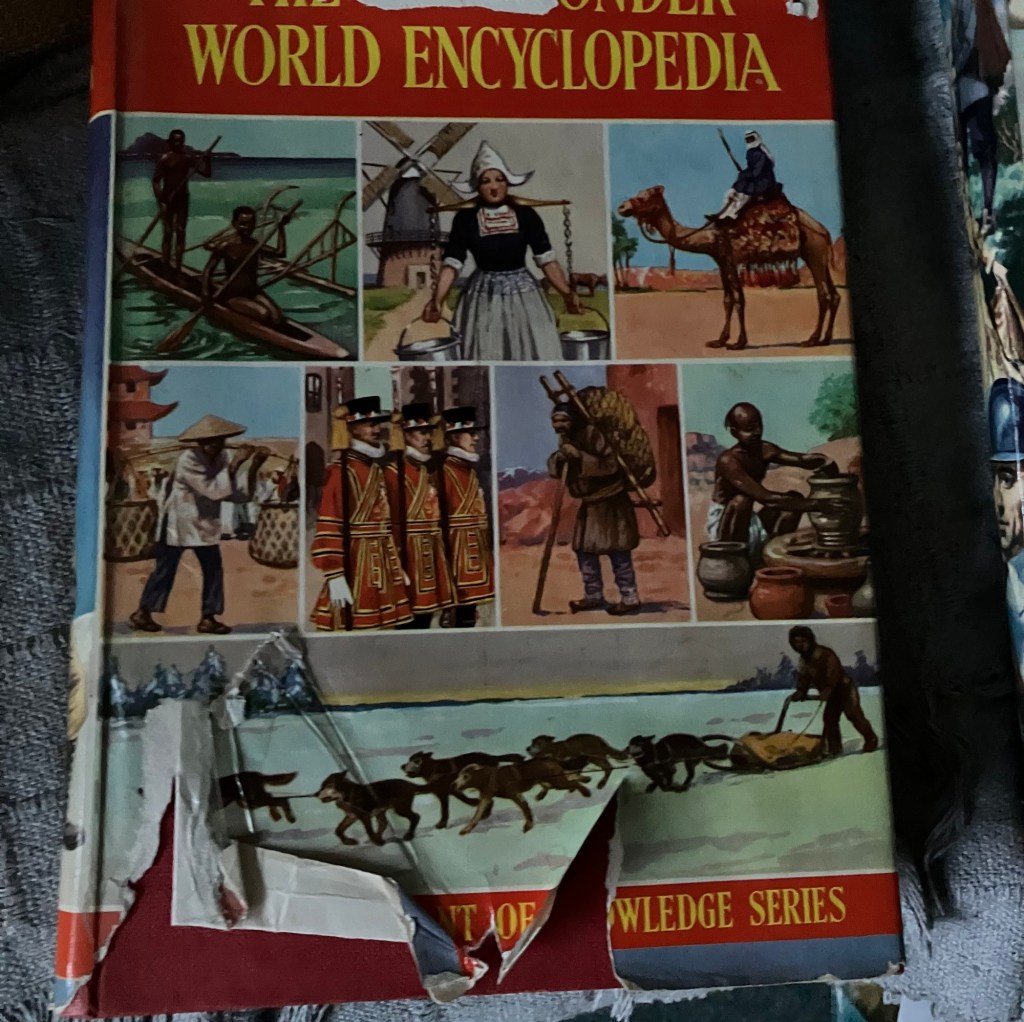
These are my own thoughts and memories, I am not attempting to write a history book!
The photographs are my own.
 Childhood Memories of growing up in the 1950s and 1960s.
In the 1950s I used the encyclopedia and the dictionary, and found all the information I needed. The web is good, but not always correct. I was fortunate to have good teachers and smart parents.
LikeLiked by 3 people
Same here! I had good teachers and smart parents even though we lived in remote countryside. We were lucky.
LikeLiked by 2 people
I was a city kid, except or a month in the summer that would find me living the country life on my grandparents farm in Santa Anna Texas. The farm was hardscrabble and grandfather was a master at growing Johnson Grass weeds and Bullnettle. He was not a farmer by birth, but had a lucrative dairy farm in Ada Oklahoma before moving to southwest Texas. They had no TV in the farmhouse, only a large radio which allowed me to listen to news and some music. The only books present were the Bible and The Farmers Almanac. The education I received from them meant more to me than book learning. I was driving a tractor at 8 and a car by 10, riding horses at 6 and swimming in a stock tank full of snapping turtles and water Moccasins. I cover a lot of my childhood in my blog.
LikeLiked by 1 person
Wonderful account of your memories!! It sounds like you had both sides of the coin – the city life and the farm summers.
LikeLiked by 1 person
Thanks, I enjoy your site and recounts.
LikeLike
I think I grew up when encyclopedias were on their way out (70s). We still had people coming to our door, trying to sell them, but my parents were not interested. It simply took to long to get the whole set. Though my grandparents had a whole set of the older version, I recall. A challenge for young people (and us all) today, is what to actuallt believe in – what is true and what is not. Are there alternative truths…? Just the fact one says “alternative” truths is a challenge. It sure makes for nostalgic feelings 🙂
LikeLiked by 2 people
I agree. What do we believe? Thanks for commenting!
LikeLiked by 1 person
Well said, Therese! I agree that “alternative” truths are confounding.
LikeLiked by 2 people
This post brings back so many memories of my growing-up years!
LikeLiked by 3 people
Thank you for that! I love it when memories span the continents.
LikeLiked by 1 person
You’re welcome!!
LikeLike
Your post was a delightful trip down memory lane! It’s incredible how our methods of seeking information have evolved over the years. Like you, I have fond memories of asking my parents countless questions and believing they knew everything. The innocence of childhood curiosity is truly something special.
I also remember spending hours in the school library, flipping through encyclopedias and atlases. There was something magical about physically turning the pages to discover new facts and places. Your mention of the motoring handbooks brought back memories of family road trips where we’d navigate using maps and guidebooks—no GPS in sight!
It’s fascinating to see how today’s technology puts all that information right in our pockets. While it’s convenient, I sometimes miss the charm of the old ways—the anticipation of finding answers in books and the joy of exploring libraries.
Thank you for sharing your personal thoughts and those wonderful photos of your childhood books. They not only highlight the changes over time but also remind us of the simple pleasures of learning and exploration.
LikeLiked by 1 person
Thank you for your lovely comment! Did you also have I-Spy books to entertain and engage you on family outings? I’m so glad you enjoyed my post.
LikeLike
Libraries: many, many hours were spent reading and taking out books. The card index system was easy to follow, even for a child. The one thing that stands out is keeping silent in the library or just whispering – not easy when you’re with a friend and have found something exciting.
In later years, the library was a place to study and chat with girls who were also there to study and, apparently, to chat with boys.
Learning at home: in the distant past, it was said that a well-read home should contain at least a Bible and a copy of Pilgrim’s Progress. In the 19th century this was expanded to include a dictionary and the works of Wm Shakespeare. Later still, the works of Dickens. We didn’t have the complete works of Dickens, just the odd novel, but from as far back as I can remember all the others mentioned were in the home – and still are today. With such resources, asking dad what a particular word meant was usually followed with the rejoinder to, “look it up in the dictionary!”
I really do think that activities like these in my formative years helped to create a life-long interest in learning plus a love (bordering on fixation) for treating books almost reverently.
LikeLiked by 2 people
A lovely recount of memories, all so familiar! I remember the silence which was enforced in libraries also the fear of running late returning a book and incurring the dreaded fine. But I loved them anyway.
LikeLike