Baby Things

Back in the 50s and 60s, prams and pushchairs were big, heavy and cumbersome. Prams didn’t fold up to go on buses or in cars. Pushchairs folded but were still bulky and heavy. The baby started off in a big, usually coach built pram and at a certain age graduated to a pushchair. There were no lightweight buggies. Families with cars bought a small rectangular soft-bodied thing known as a carry-cot which just sat on the back seat with the baby lying in it. There were no seatbelts in cars then and definitely nothing securing the carry-cot. There were no car seats for babies, toddlers and children. They were held in an adult’s arms until old enough to sit up and then just travelled unsecured in the back seat.
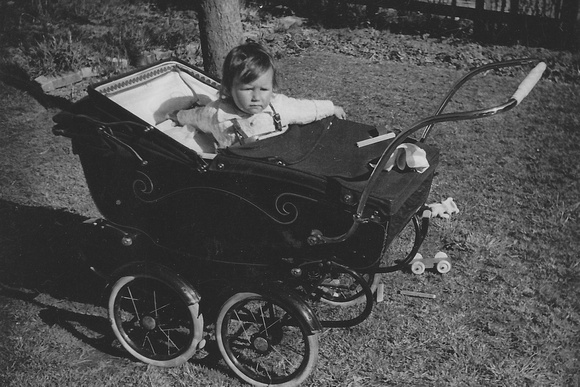
A friend was recalling recently that in the early 70s, it was difficult to buy prams because there was a shortage of steel.

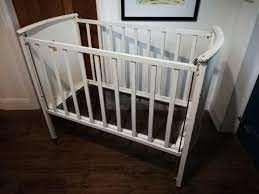
The basic design of cots is still much the same but modern ones are much safer.
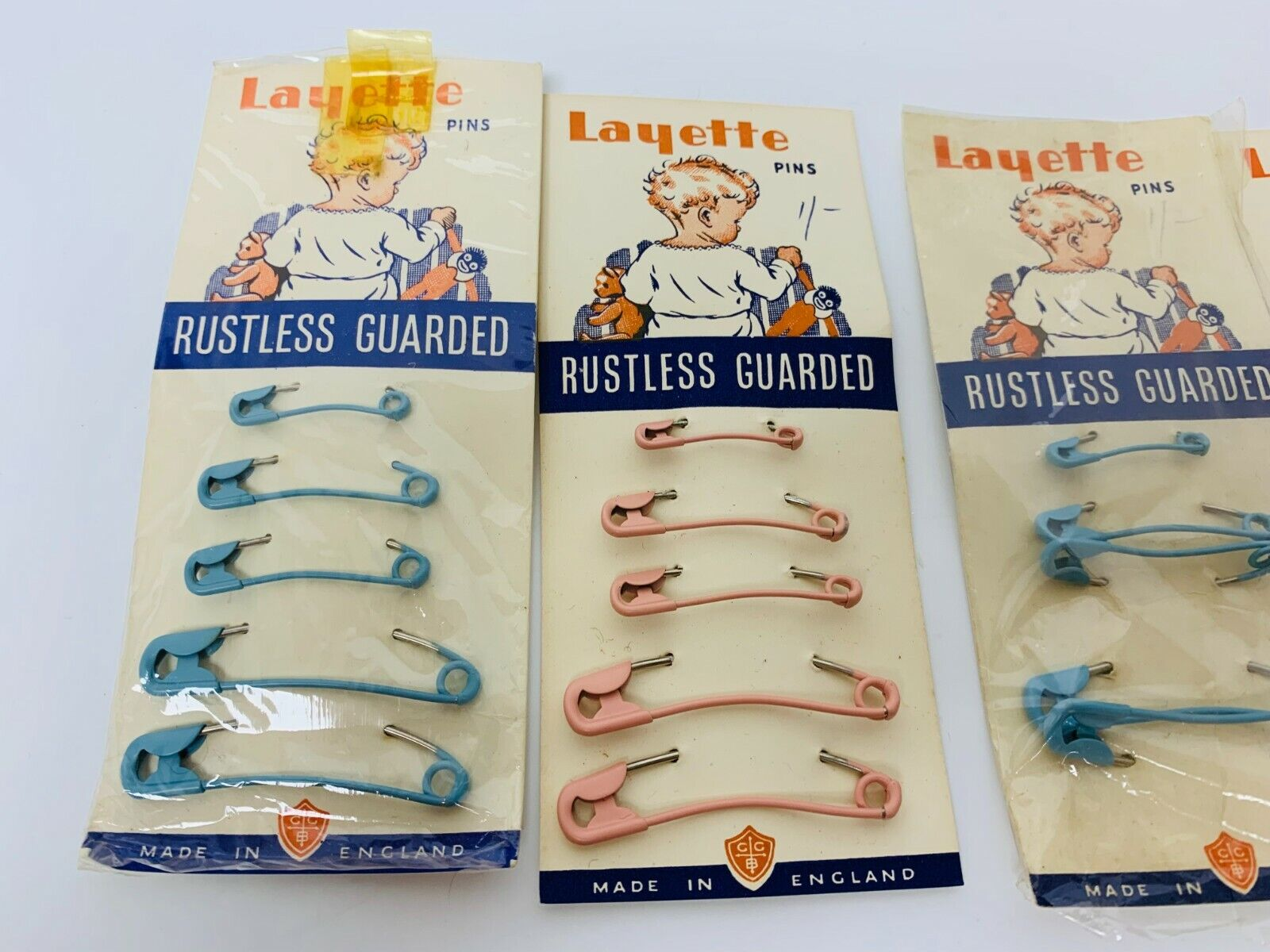
There were no disposable nappies. There still weren’t any when my children were born in the early 80s. Nappies were white towelling squares which were folded and pinned with special big safety pins called, appropriately enough, nappy pins. To add a waterproof outer layer a pair of thin rubber pants were pulled on over the nappy. These nappies needed to be boiled to keep them hygienic and white! When you consider that most households didn’t have washing machines or tumble driers the amount of work involved was enormous. I can remember pink and blue nappy pins ones like the ones in the photograph.
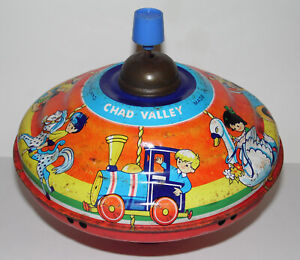
Many baby toys and toys for children were made of tin. There was no plastic. I remember my brother as a toddler cutting his leg on a toy made from tin. Also, the paints used on tin toys and on wooden cots were lead based and therefore toxic.
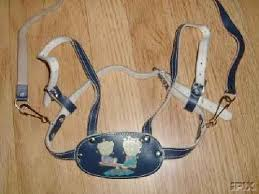
Very young children often wore reins like this when out with the family. I remember very clearly seeing children with walking reins on. They were leather and often pastel coloured with a picture on the front like these in the photograph. They were backed with a white fleecy fabric for comfort.
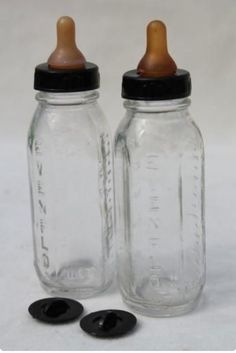
Baby bottles were made of glass and the teats were made of rubber.
Credit to Google Images and Wikipedia. As always, I have endeavored not to infringe copyright. However, if anyone objects to my use of an image, please contact me and I will remove it.
On Being Born in the 1950s.

So, readers, I turned 70 last week. I hadn’t been one bit excited about it as I feel the pandemic prevented me from having a normal year when I was 69. As it turned out, two days before my birthday was officially the country’s second easing of lockdown no. 3. It was a great week to have a birthday as I was able to see some family members I hadn’t seen since before March 2020.

My birthday led me to think, as it often does, of the tales my mum used to tell me about the times when I, my brother and sister were born.

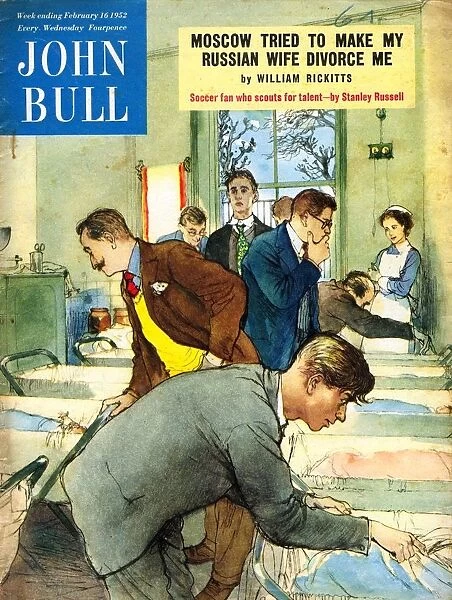
At the turn of the century, birth at home was the normal. Within 50 years, the majority of women had hospital births. Maternity hospitals or homes were usually independent from general hospitals. Men were never with their wives through labour and definitely weren’t present for the delivery.

John Bull 1950s UK babies hospitals maternity wards fathers #7077383
The front cover of a 1952 edition of John Bull magazine showing new fathers meeting their offspring for the first time in the nursery – blue cot blankets for the boys, pink for the girls.

Bottle feeding started to become popular in the late 40s and by the time I was born women were actively encourage to choose bottle over breast. Years later when my mum saw her grandchildren being breastfed she bitterly regretted not having been encouraged to do it.

Back in the 1950s women stayed in hospital for a period from eight days to two weeks after giving birth. My mum used to tell of being in the maternity hospital for two weeks after each of us. This was all very well when it was a first baby but when were other children to care for, and the father had to work, it was a problem. I was three and a half when my sister was born. My brother (two years old) and I were driven to our grandparents in a different town to stay for the two weeks my mum was in the hospital.

Once born, babies were looked after in the nursery and only handed to their mothers when it was time to be fed. If your baby was unsettled in between feeds you didn’t know about it. Feeding was strictly timed. The routine for newborns and for the first few months was a feed every four hours, at precisely 10.00 am, 2.00 pm, 6.00 pm, 10.00 pm, 2.00 am, 6.00 am. Night feeds were given by nursing staff in the nursery so that the new mum could get her sleep. I remember my mum telling of nursing staff walking down the central aisle of the maternity ward with a large trolley containing babies, handing them out and announcing “Feeding time, mummies!”

Giving birth in the 1960s: 'All the mothers were terrified of the doctors  and matron so we never asked any questions'
A 1950s nursery in a maternity hospital.

Before being discharged, the mothers were taught how to bath their new babies. The system then was to fill the baby bath, test the temperature with your elbow, soap the baby all over, then lower it into the water. The first time my mum did this with me after returning home, she soaped me all over then lowered me towards the water. I wriggled and I was so slippery from the soap that I slipped out of her hands and landed face down in the water. My mum thought she’d killed me and had to shout for my dad to come.

As well as being instructed to feed to a strict schedule, new mothers were told to put their babies outside in their prams in all weathers to benefit from the fresh air. They were also told that crying was good for their babies and exercised their lungs. When they were outside, the mums couldn’t hear them crying. They would bring them in to be fed and changed at the exact times dictated by the nurses at the hospital and by the district nurses who visited the home afterwards.

Watch A Day in a Baby's Life online - BFI Player
A 1950s coach built pram.

Credit to Google Images, Pinterest and Wikipedia. As always, I make every effort to avoid infringing copyright. If anyone objects to my use of any images, please contact me direct and I will remove it.