The first form of music listening came from our earliest groups of people. This music was not considered organized as we might call the music we listen to today, rather, it used forms of clapping, drumming, and oral music with varying types of singing.
Later, some of the more popular music appeared in churches. Many musical artists and writers began to write music as a response to God and to the church. It was used as a tool to unite people.
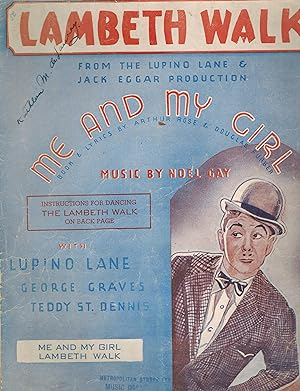
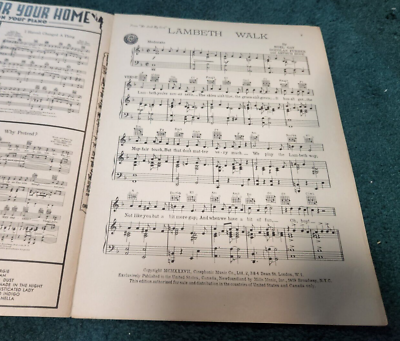
Throughout the centuries, people have enjoyed making and listening to music. Singing in the home was popular, often around a piano. With the coming of the music halls in Victorian Britain, popular songs were becoming well known and sung. The first form of bought music was sheet music. As the popular songs of the day became known people would buy the sheet music and play in groups in homes, pubs and community spaces.
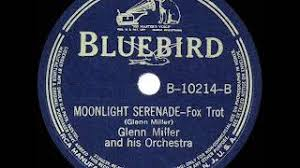
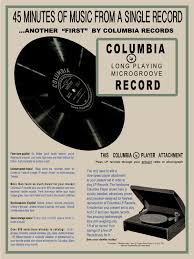
In the late 1800s, Thomas Edison invented the first record player known as a phonograph. By the 20s and 30s gramophones, later known as record players, and the black discs revolving at 78 rpm became more readily accessible to the public. The record player and records themselves evolved through several different stages from the 78’s to the newer, smaller 45’s (singles) and the 33rpm LPs later known as albums.
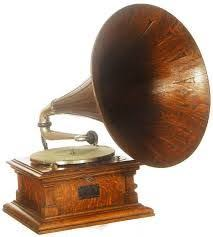
We always had a record player at home and one of my siblings still has our parents’ wonderful collection of 78’s. In our village there was a ‘big house’ where the local gentry had lived for generations. The little boy from the house went to our village school for a few years until he went away to boarding school at 7. While he was in our school I remember going to his birthday parties. His mum used to play music for us for the game of musical chairs on a wind-up gramophone with one of those brass horns as a speaker. A bit like the one below. This was in the mid 50s and none of us had seen one of those before, apart from on the HMV labels.
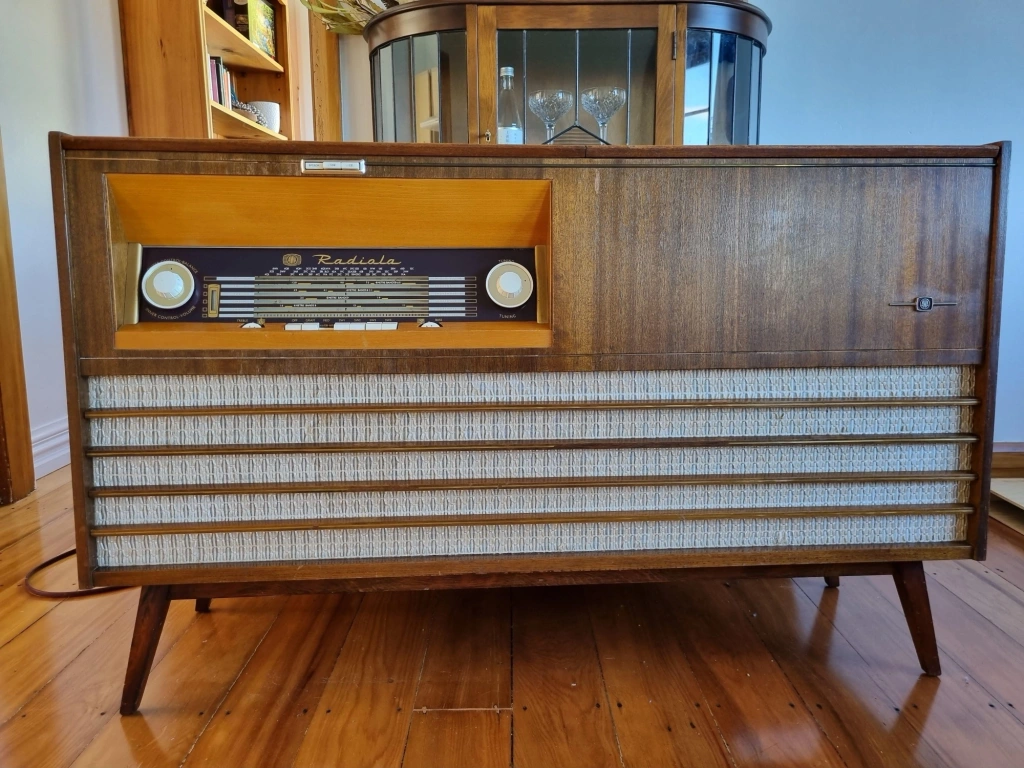
In the early 60s my parents bought a combined radio/ record player known as a radiogram which was housed in a wooden casing like a sideboard. We thought it was very sophisticated!
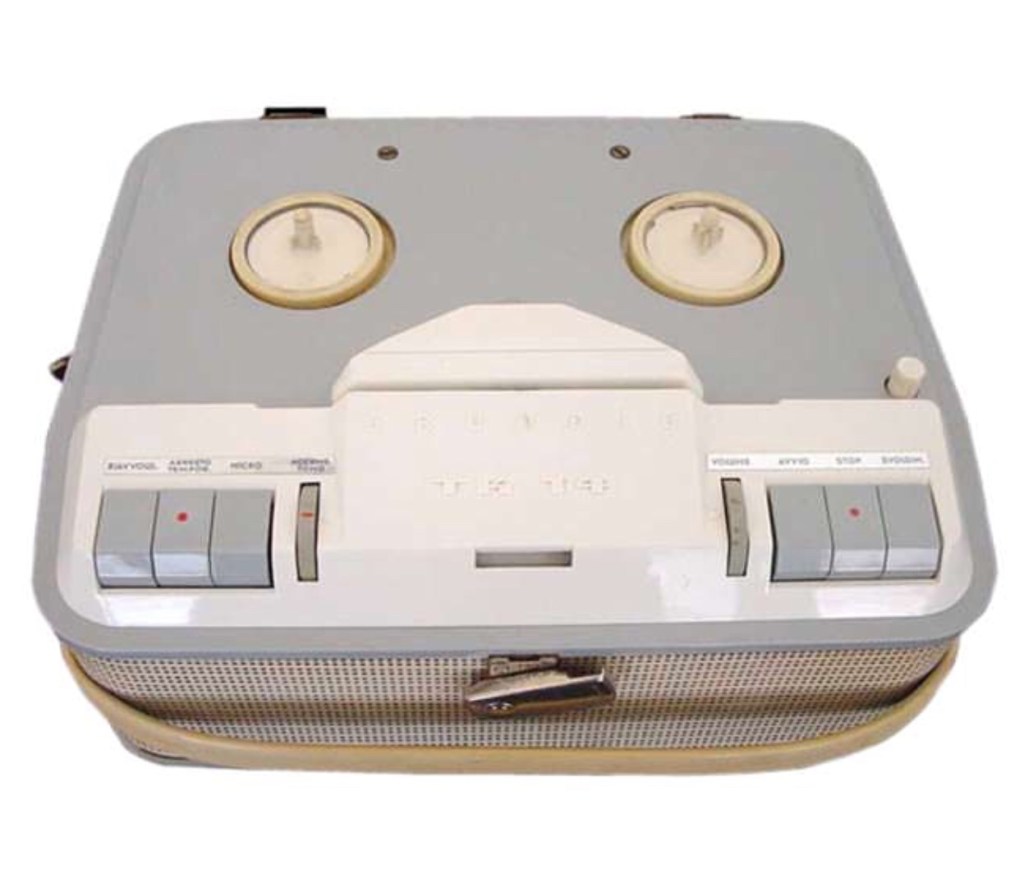
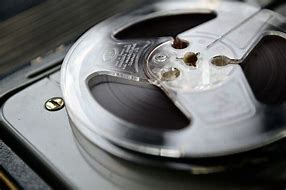
In the mid 60s my mum and dad bought a reel to reel tape recorder. I can still remember that it was a make called the Grundig TK14. My brother, sister and I had so much fun recording music from the radio. We were teenagers by then and into pop music. We couldn’t afford to buy all the records we would have liked to so this was a great way to save our favourite songs to play again and again. We had to hold the microphone next to the radio and be very nifty about pressing STOP just before the presenter started talking again.
Then along came cassettes. Oh, the joy of swapping albums with friends and recording them onto a C90 or C60. Once I was able to have a cassette player in my car I could listen to my favourite albums as I drove. We’d come a long way from the 78’s and 45’s of my childhood.
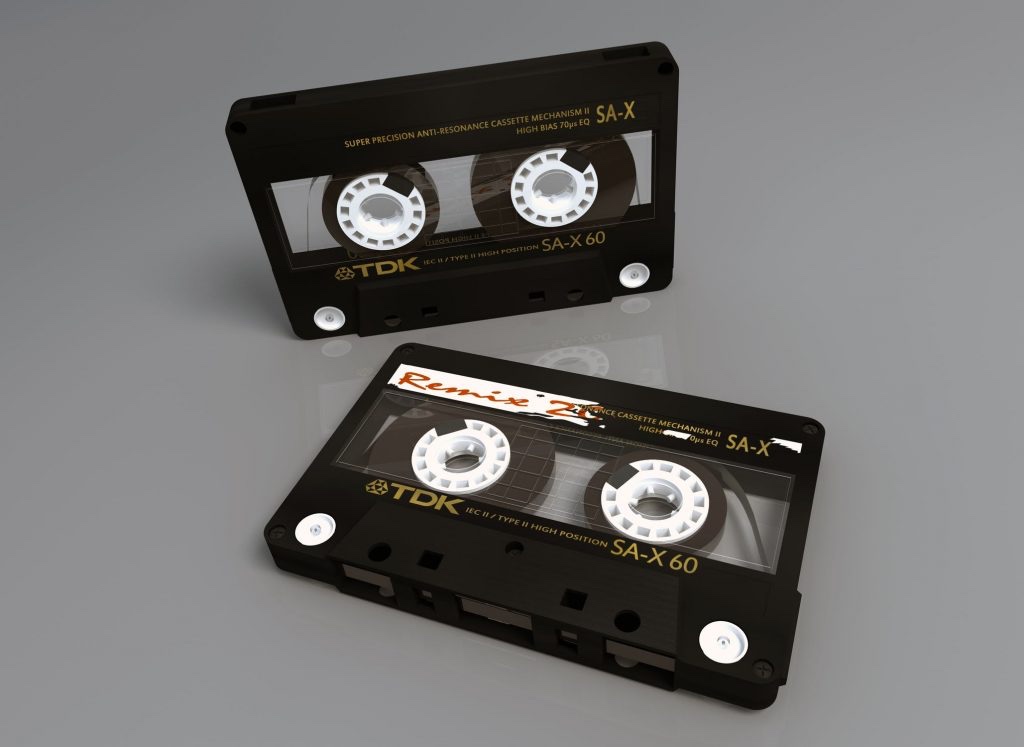
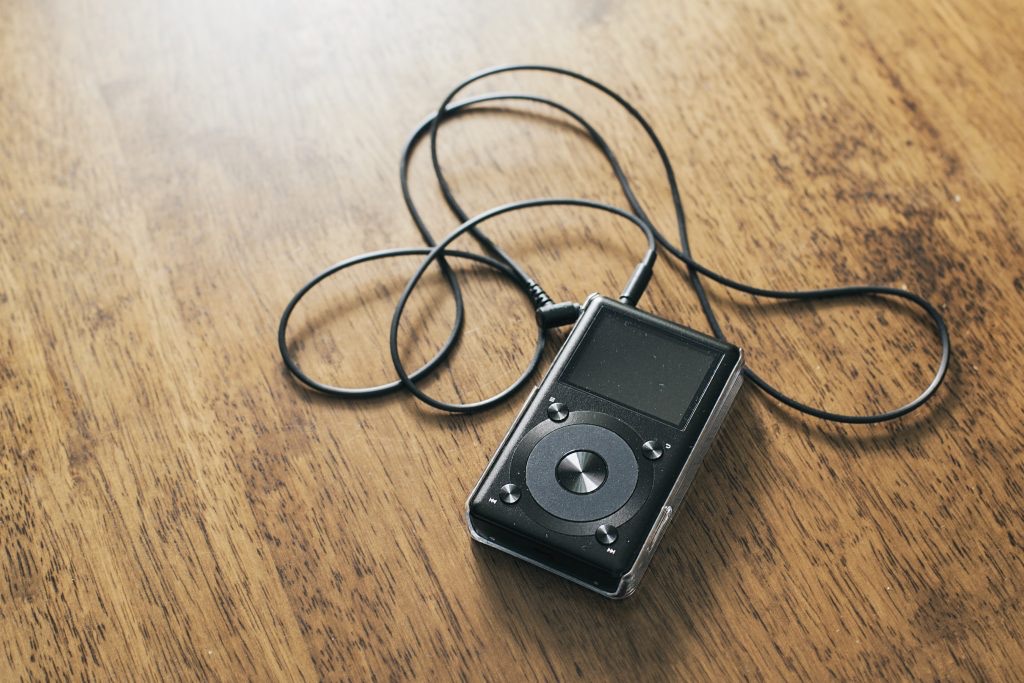
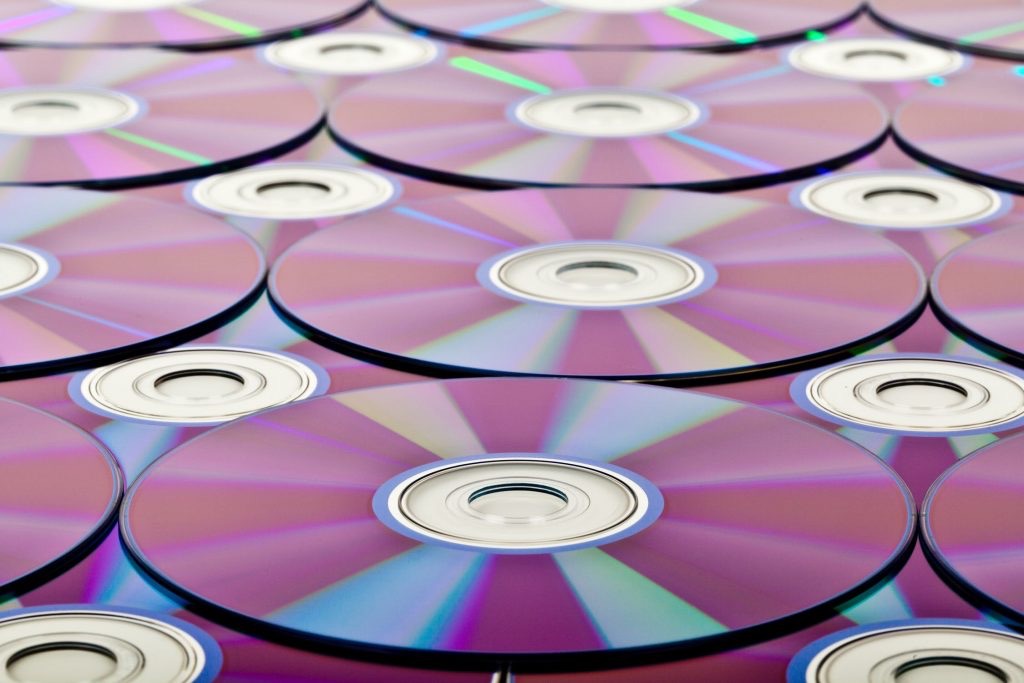
I am now into the eras you will all remember very well. So I will skim through and just mention a few stages which come to mind – The Walkman, the iPod, CD’s and eventually streaming.

Credit to Google Images and Wikipedia. If anyone objects to the inclusion of any images in this post please contact me and it will be removed. Facts are checked but I apologise for any errors you might spot!


 Typical 1960s slide projector, screen and colour slides.
 Childhood Memories of growing up in the 1950s and 1960s.