When I was a child I used to get a small amount of pocket money each week. I don’t recall how much exactly but I have a feeling that Mum and Nana, who lived with us, gave us a shilling each. We lived in a tiny village so there wasn’t anywhere to spend it unless we went to the local town or, occasionally to a big town a couple of hours away. We were encouraged to save for our summer holiday.By the time I was going to secondary school I was getting five shillings a week. I only ever handled coins when I was very young and then, later, 10 shilling , £1 and £5 notes. If I went to the village shop for my mum I had to put the amount on her account which was settled weekly.
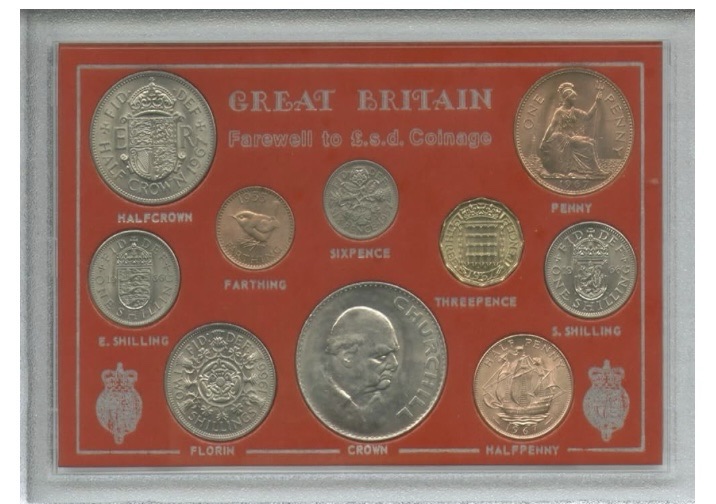
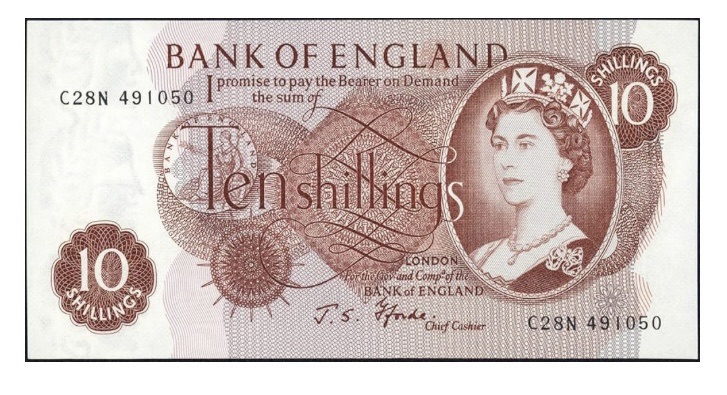
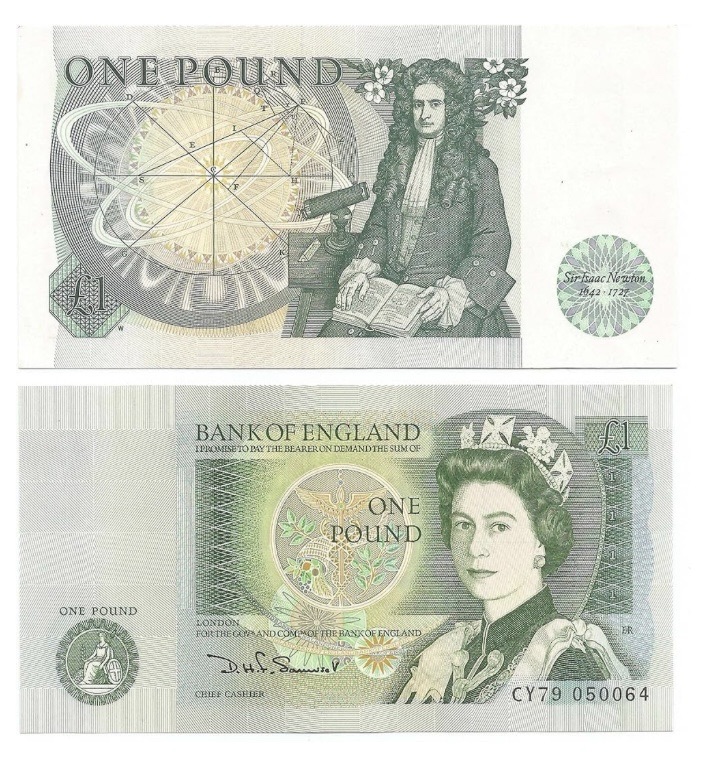
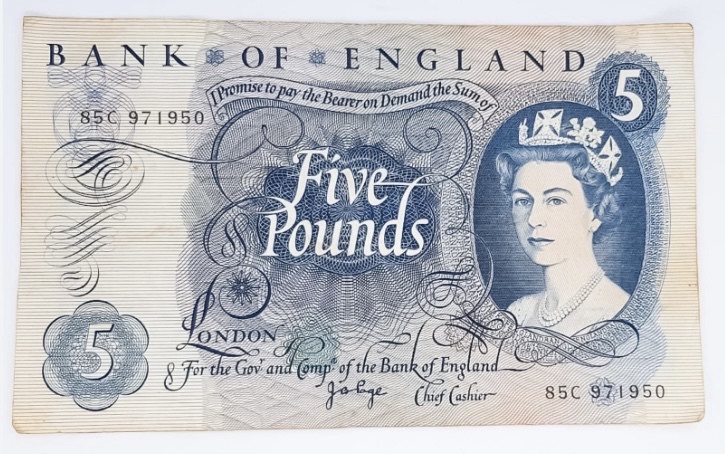
The currency which was used in the 1950s and 60s.
At 18 I went to university and the rite of passage for that stage of life in those days was to open a bank account. My dad took me into his bank where our neighbour was bank manager and I came out a newly fledged account holder. It was so exciting when my first cheque book arrived with my name printed on every page. How grown up I felt!
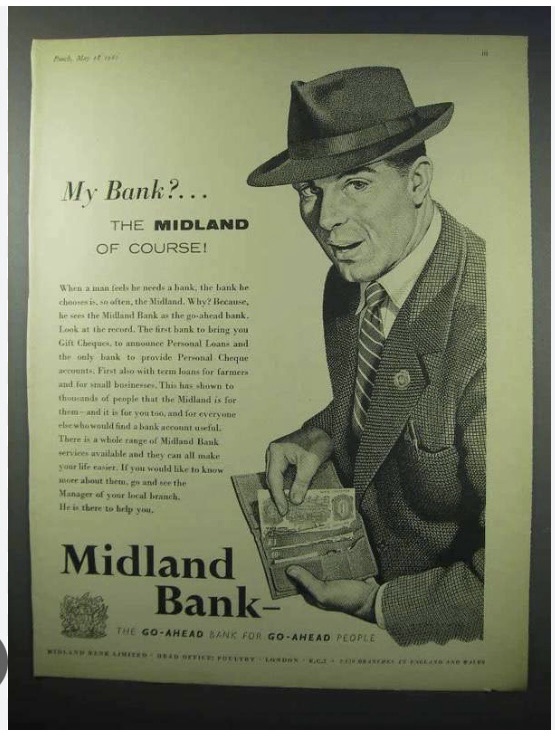
There were no ATMs then so every Monday I went to the small bank on the campus and wrote out a cheque for £5. The bank clerk would hand me a £5 note which I tried to make last the week. My only expenses were drinks, snacks, stationery and bus fares. If I ever went into the city and bought myself something to wear or a new record (LP) I wrote a cheque.
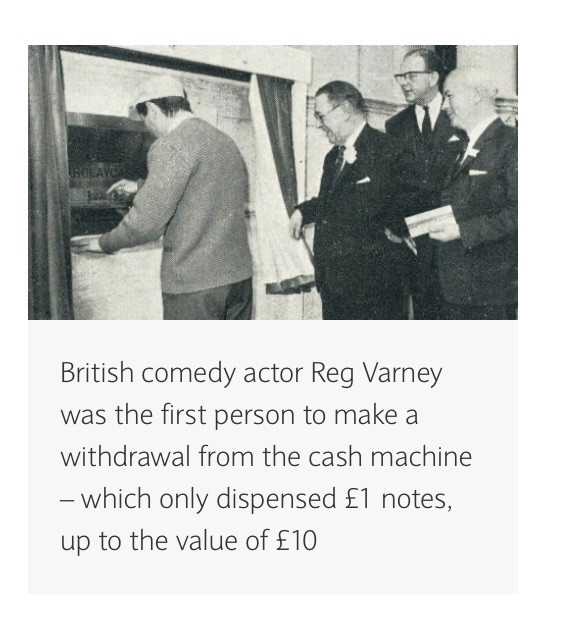
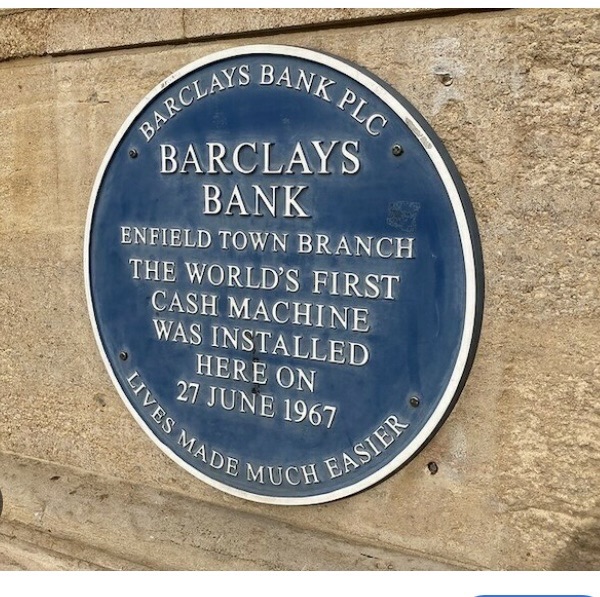
How things have changed! Not just in how much things cost now but in the way we actually pay for them. Credit cards have been around a long time now and most people have been used to using a mixture of card and cash payments. However, since the COVID pandemic the use of cards has increased to the point where many people hardly use cash at all.
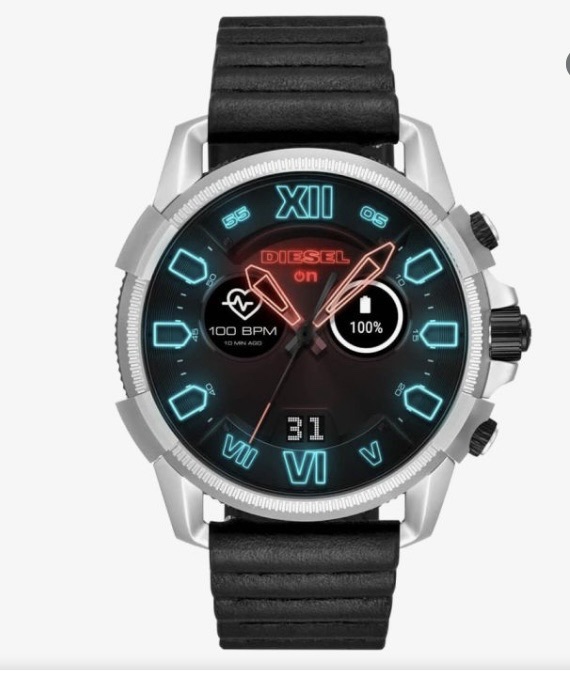
From card payments we have now progressed even further and people can pay in shops, cafes etc using watches or mobile phones. How strange that would look to a time traveller from the 1960’s!
Credit to Wikipedia and Google Images. If anyone objects the use of any images in this post contact me and it will be removed.
 Childhood Memories of growing up in the 1950s and 1960s.
Much the same for me, growing up in the 1950s. I scrounged the neighborhood for empty soda pop bottles and sold those for change, and once in a while my mother would toss me a quarter. My retro wife, Momo still pays household bills with checks, me I haven’t used one in twenty-years. How things change. Nice recount.
LikeLiked by 1 person
Thanks for commenting! Shared memories from different continents.
LikeLiked by 1 person
Funny how kids growing up can be the same, but in different countries. I have a friend that grew up in the UK and Scotland and when we compare our childhoods, it’s uncanny how similar they were.
LikeLiked by 1 person
I held out against using ATMs for several years. Didn’t trust ’em.
LikeLiked by 2 people
Same for me. Although I use them now for cash withdrawls, I have never deposited cash through the ATM and don’t plan to.
LikeLiked by 2 people
I’ve never used them for deposits either. Old habits die hard as the saying goes.
LikeLike
I draw the line at banking on my cell phone.
LikeLiked by 2 people
Wise move!
LikeLiked by 1 person
I don’t recall a bank account until post-college. I must have had one because I had a job to pay for college. I guess whatever it was didn’t impact me much!
LikeLiked by 1 person
Thanks for commenting!
LikeLiked by 1 person
Does anyone recall the paper money from before Queen Elizabeth’s accession? The five-pound notes (“fivers”) were large white sheets of paper – really large, and they looked like wrapping paper. They must have been recalled when the new currency was issued because I dimly remember my dad having them but (all of a sudden, it seems) the new bills were out and I didn’t see the old ones after that.
LikeLiked by 1 person
I’ve heard about the white fivers but don’t remember ever seeing them. My grandmother used to tell a tale about the first time her dad (my great grandfather) and brothers came home from the pit and tipped their wages (with new paper notes) into her apron as usual, she was really, really angry and thought they’d brought nothing of value home.
LikeLiked by 1 person
There is a scene exactly like that in “How Green Was My Valley.”
LikeLiked by 1 person
In that case it probably happened all over! There were many more details to Nana’s tale such as what her mum was shouting etc. She was a first class raconteur!
LikeLike
I used to get 6d a week pocket money in the 1950s. This was enough for a quarter of sweets. This was the time when farthings were still legal tender and you could actually buy one farthing chew (if you wanted to) for a farthing.
I remember the introduction of cash machines when I was at college – presumably in the early 1970s. You put your card in the machine and it gave you £10 – and kept your card. The bank posted it back to you.
LikeLiked by 1 person
So interesting! I don’t remember the cash machines which kept the card, fascinating fact, thanks!
LikeLike
Very interesting!!! I have no memory of cash machines which kept your card. It’s mad to think how much things have changed since then!
LikeLike